Feast of Flowers
The Feast of Flowers project represented a collaboration between myself and several organizations in the city of Hammond, Louisiana: the City of Hammond Downtown Development District; the City of Hammond Recreation Department; the Octavians Children’s Theater Group of Hammond; the Louisiana Children’s Discovery Center; the Hammond Regional Arts Center; the Tangipahoa Senior Center in Hammond; the Hammond Branch of the Tangipahoa Library; and Options Inc. Services for People with Disabilities over the course of serval months.
WORKSHOPS
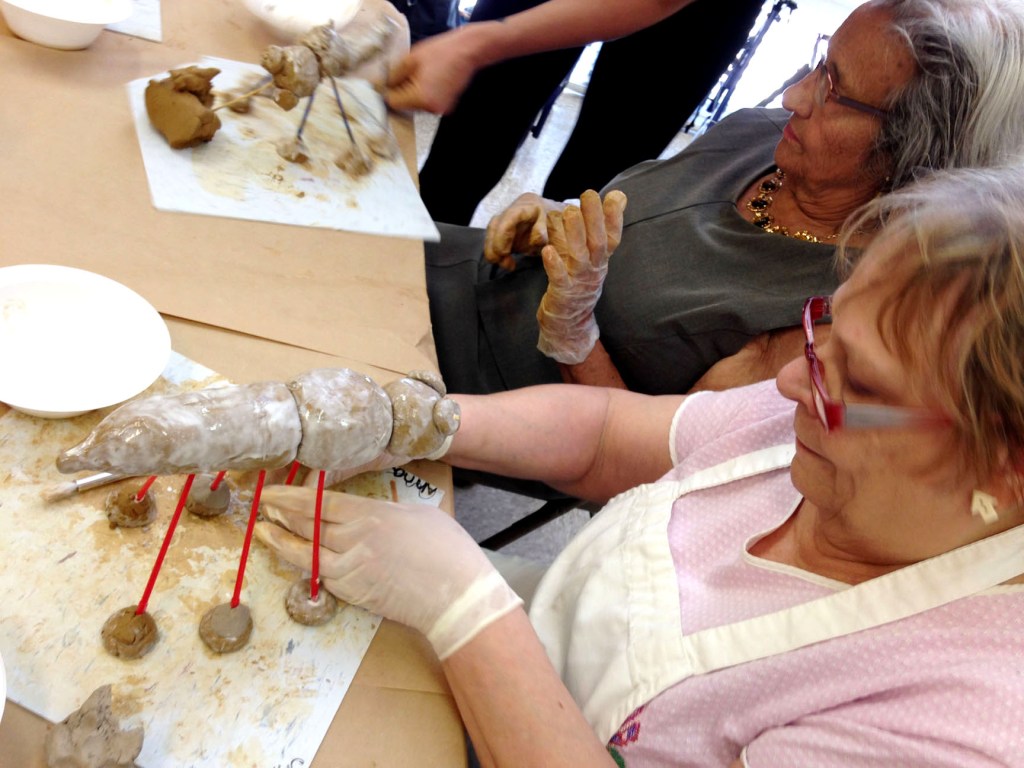
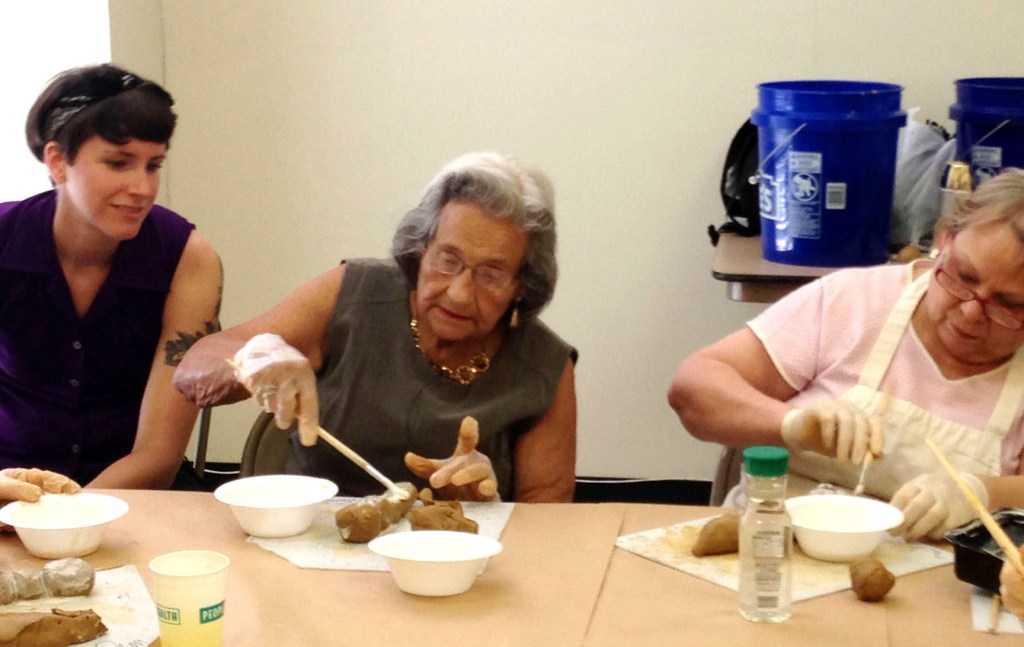
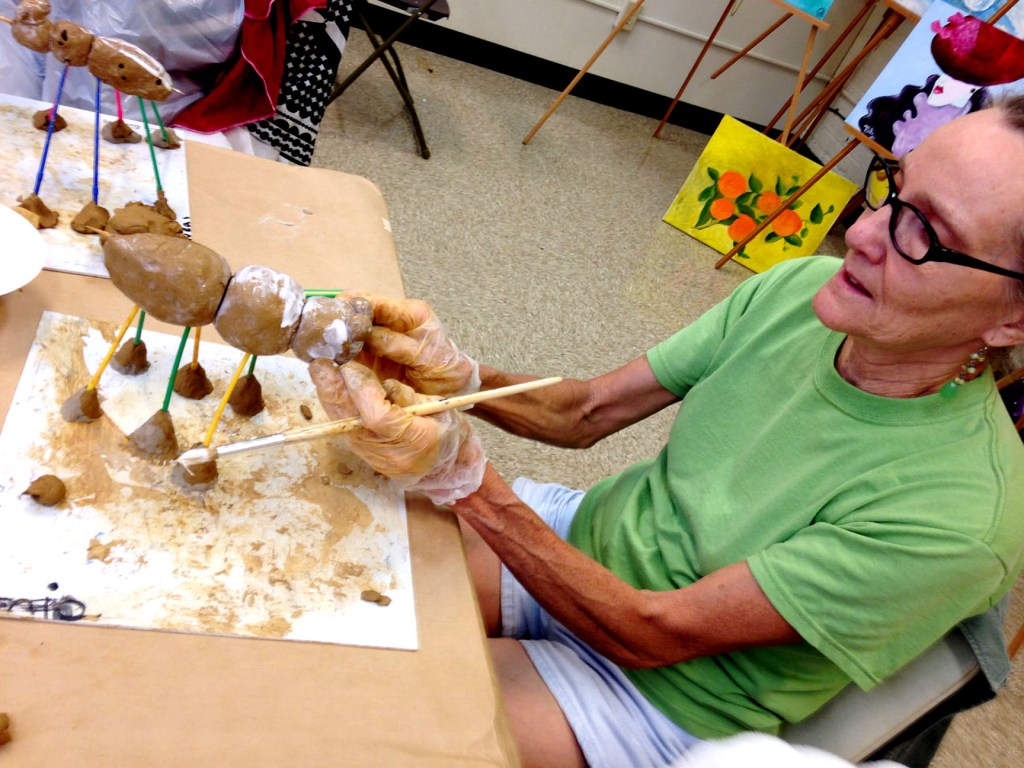
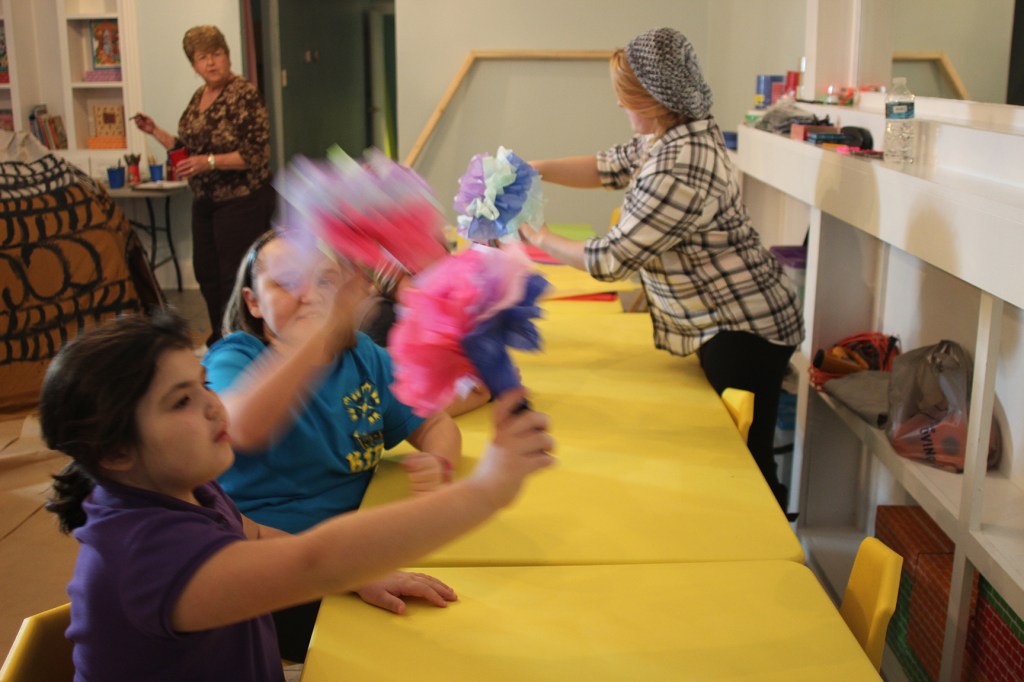
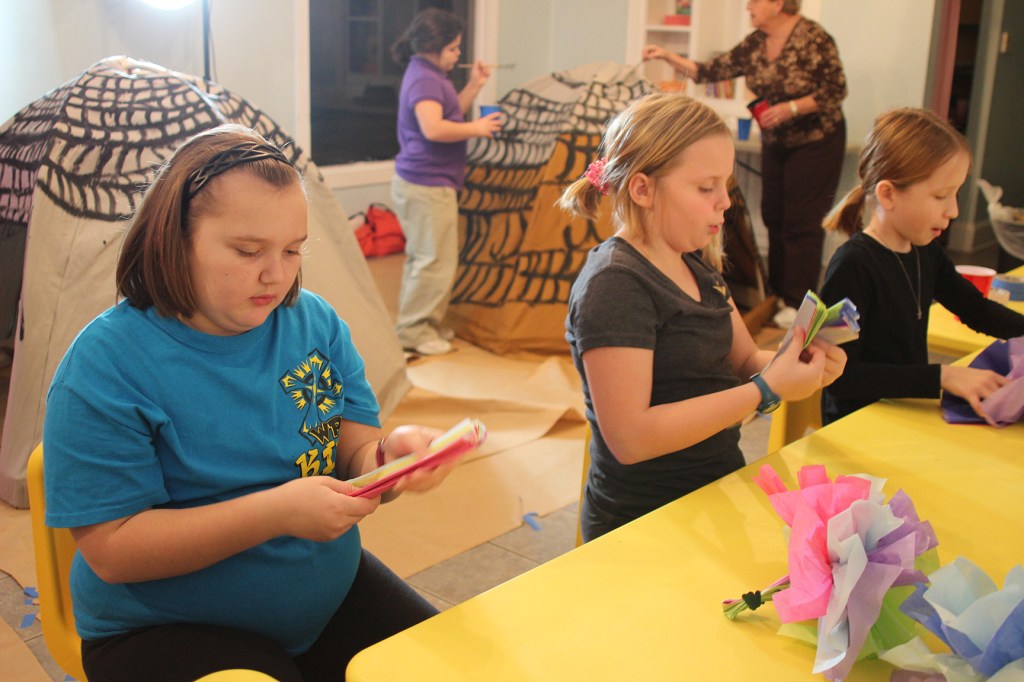
For the Feast of Flowers project, and often assisted by UWF students, I taught several workshops. In terms of content, each workshop focused on the importance of bees to the Tangipahoa Parish (The parish is, along with Oxnard, CA and Plant City, FL, among the top three strawberry producing areas in the United States). The workshops discussed the consequent urgent problem of Colony Collapse Disorder (CCD), and students created art that focused on bee anatomy, bee and strawberry science, and responded to the CCD issue.
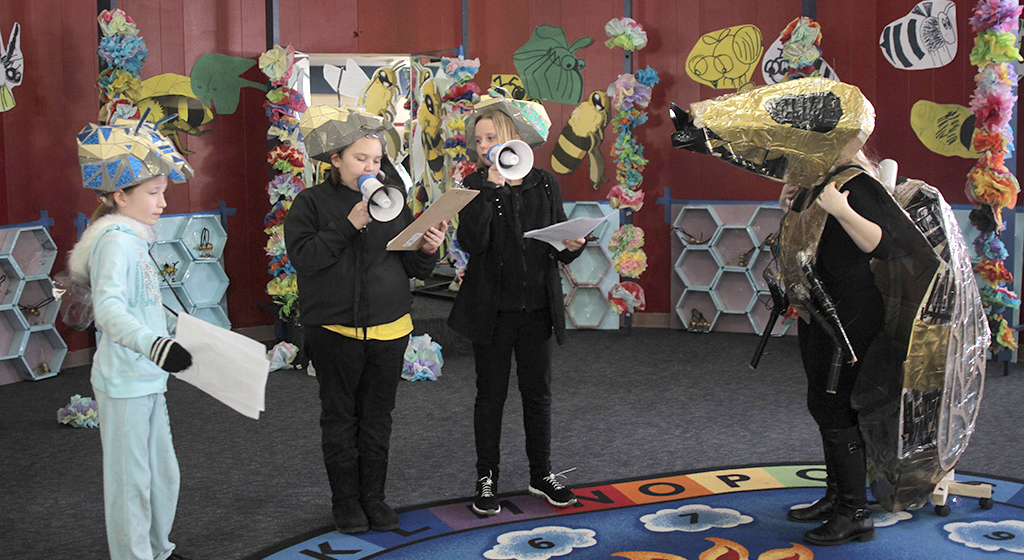
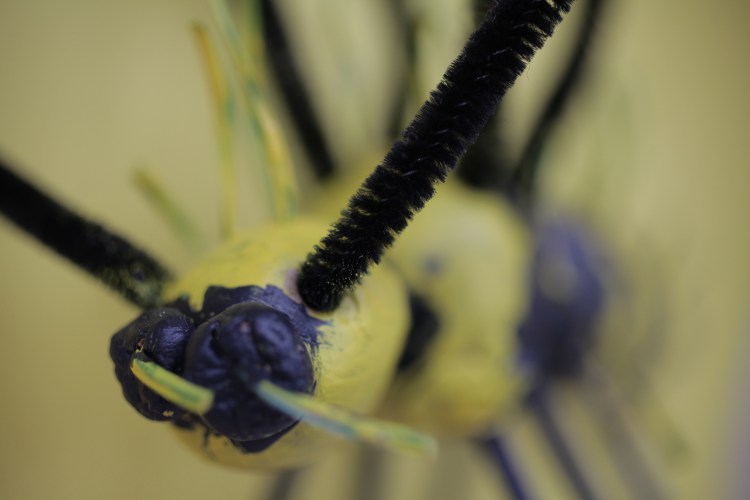
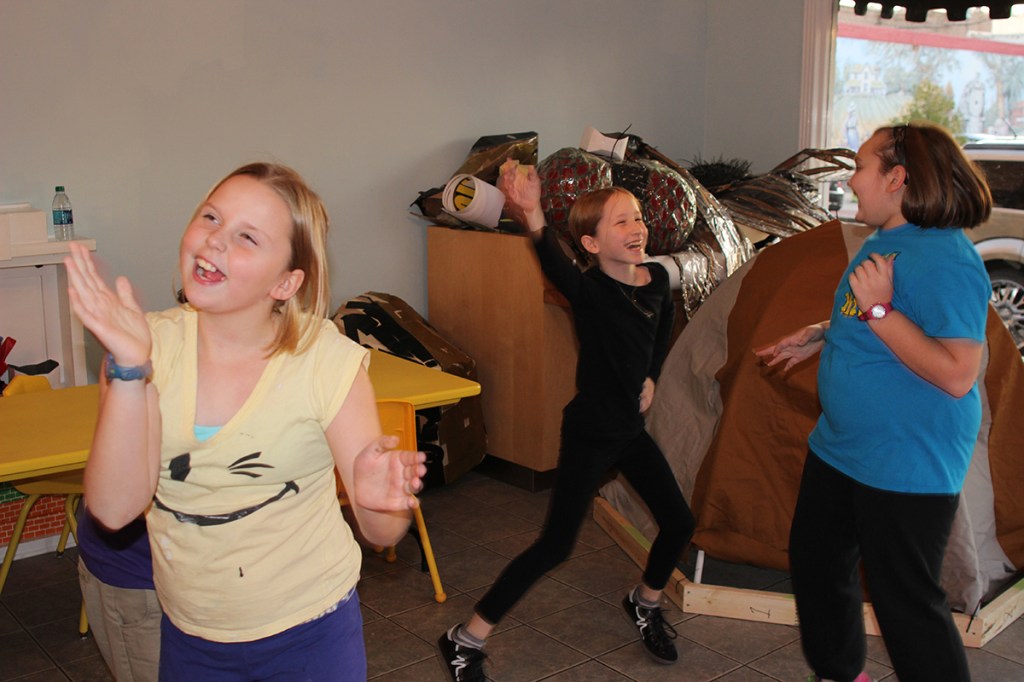
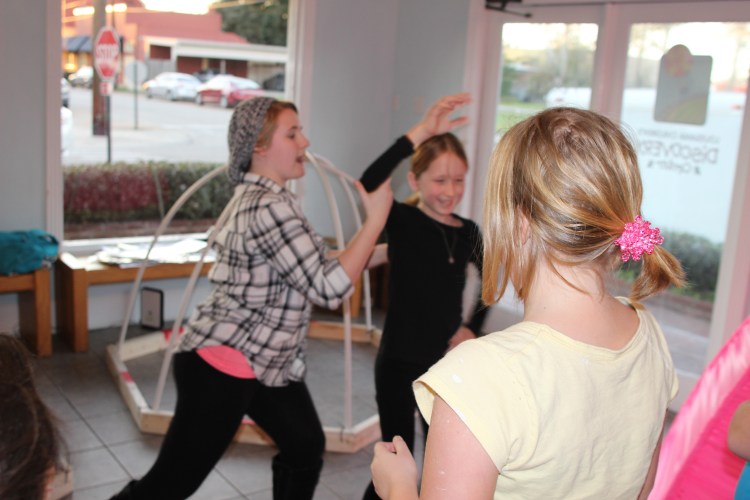
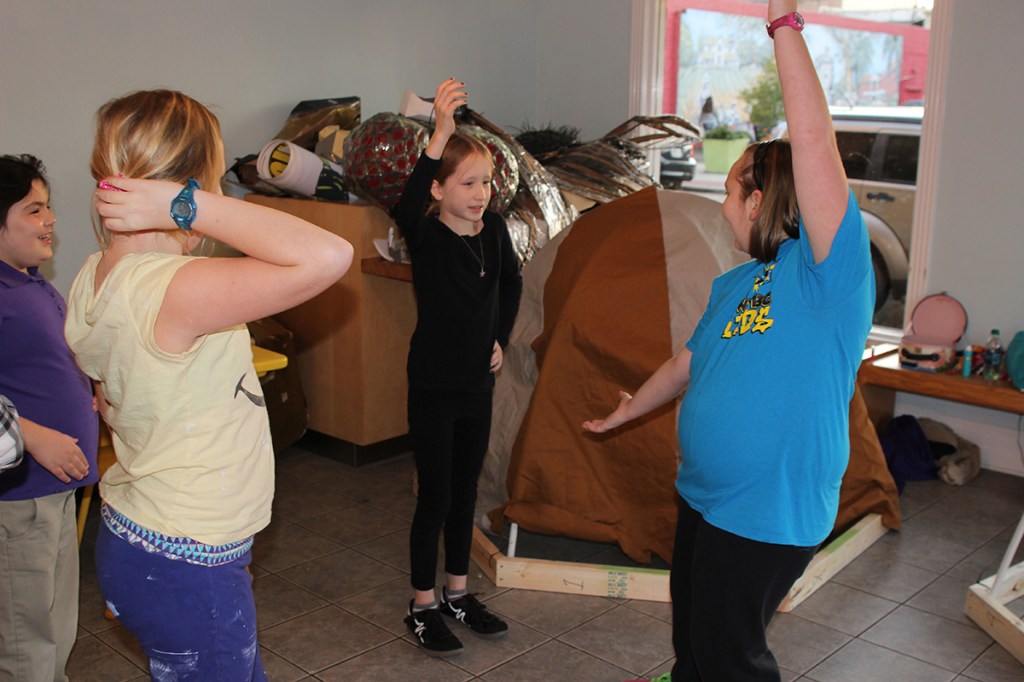
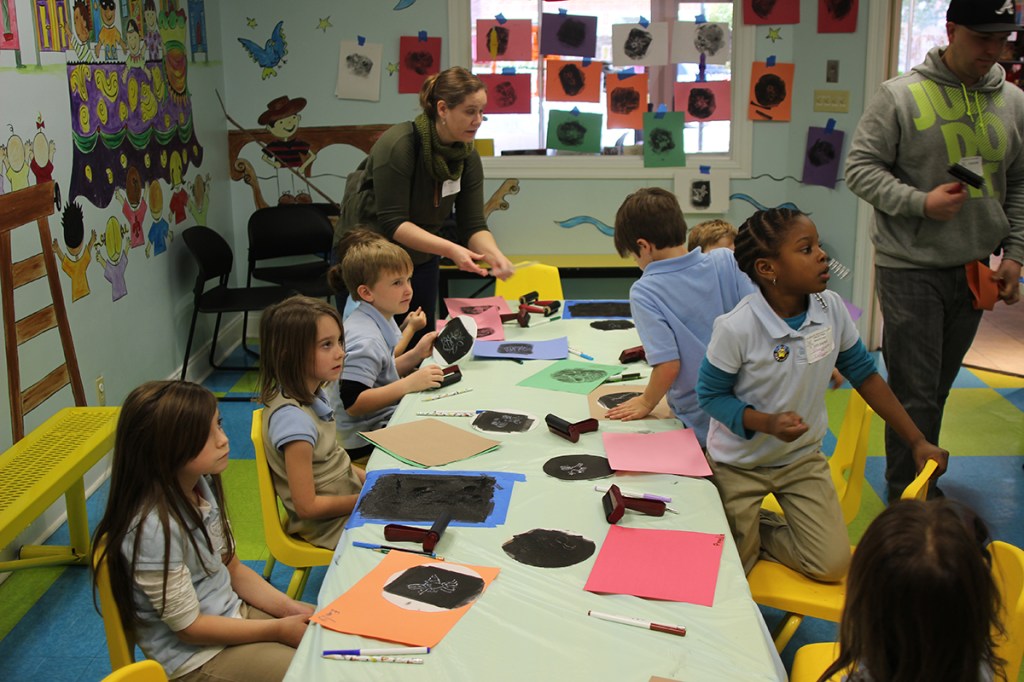
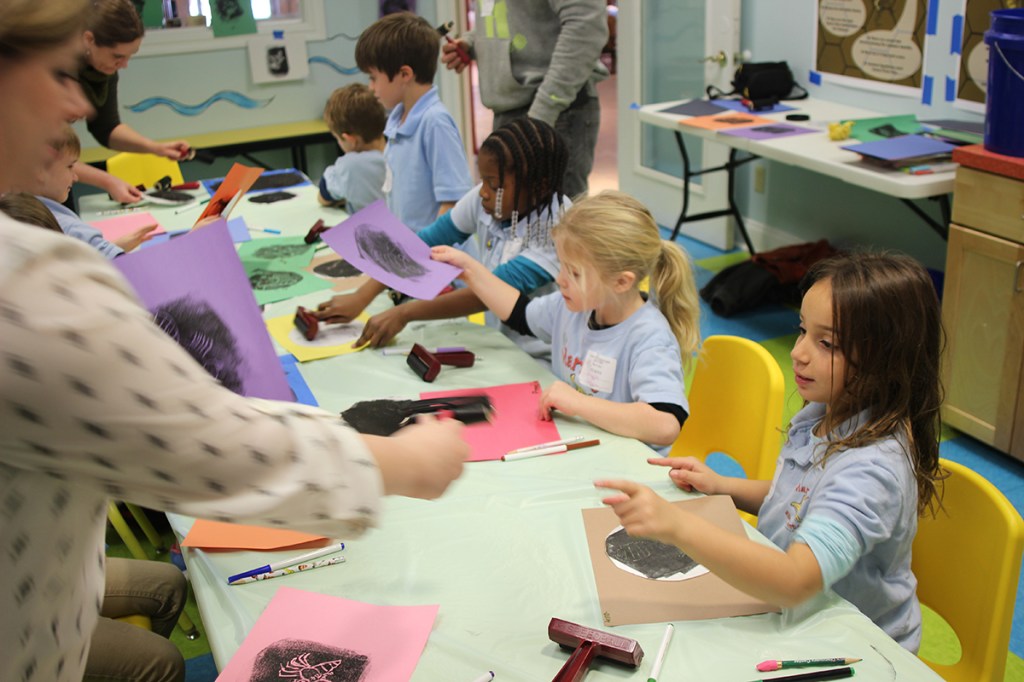
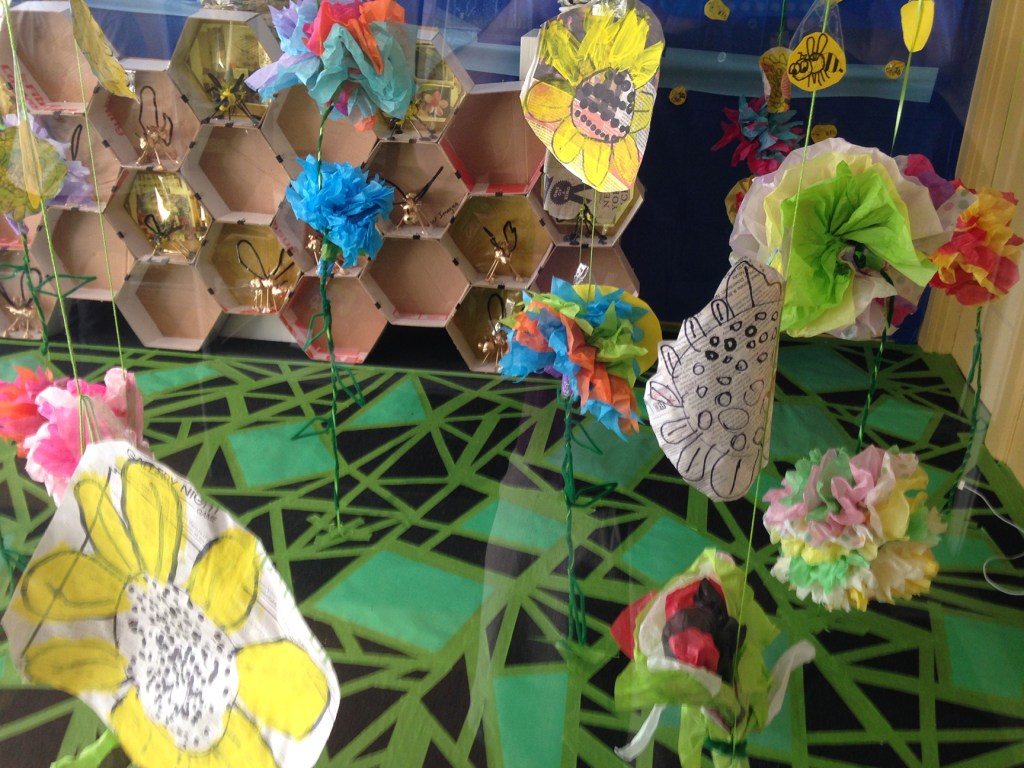
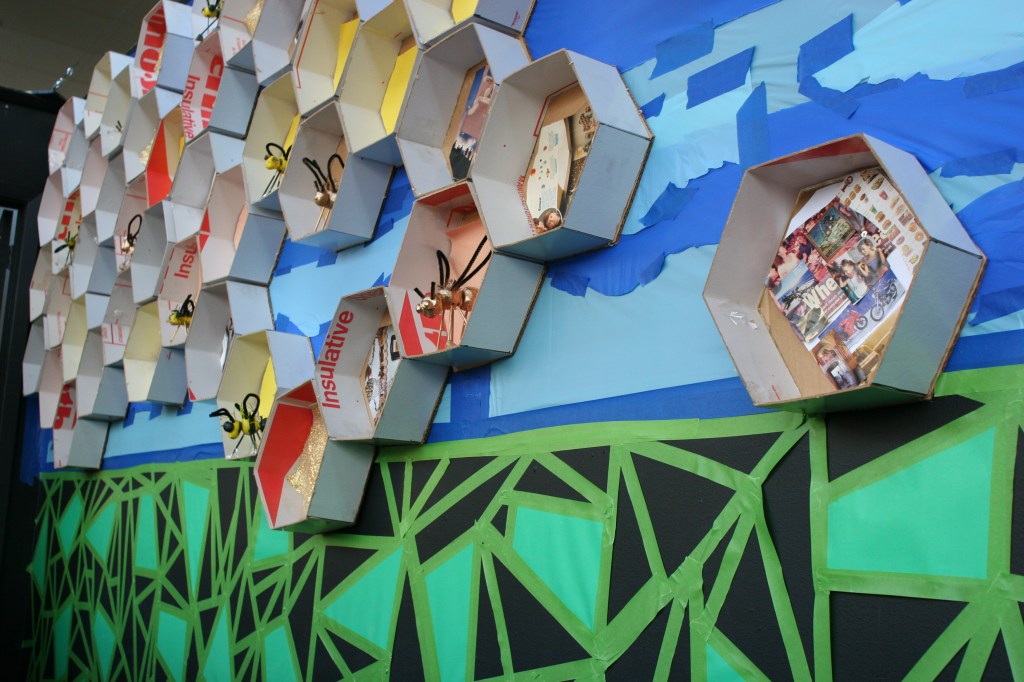
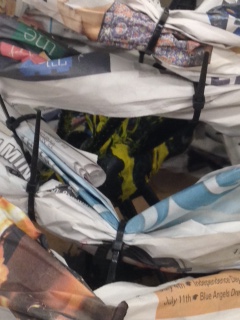
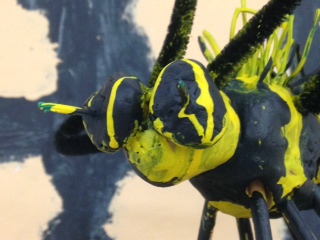
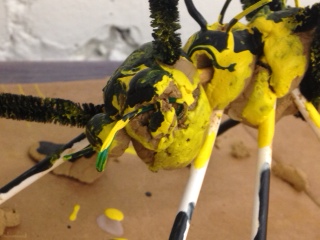
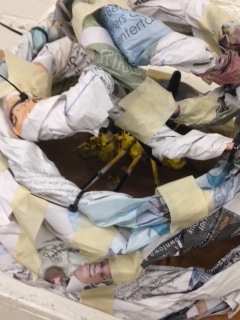
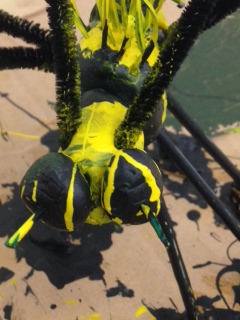
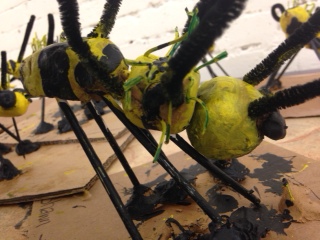
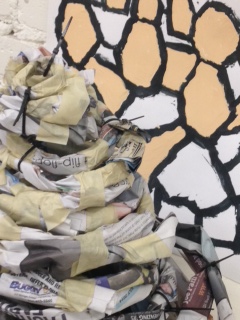
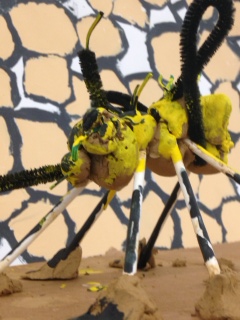
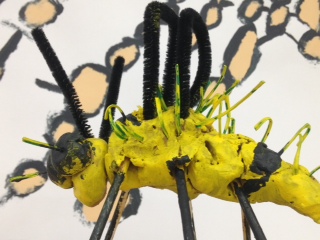
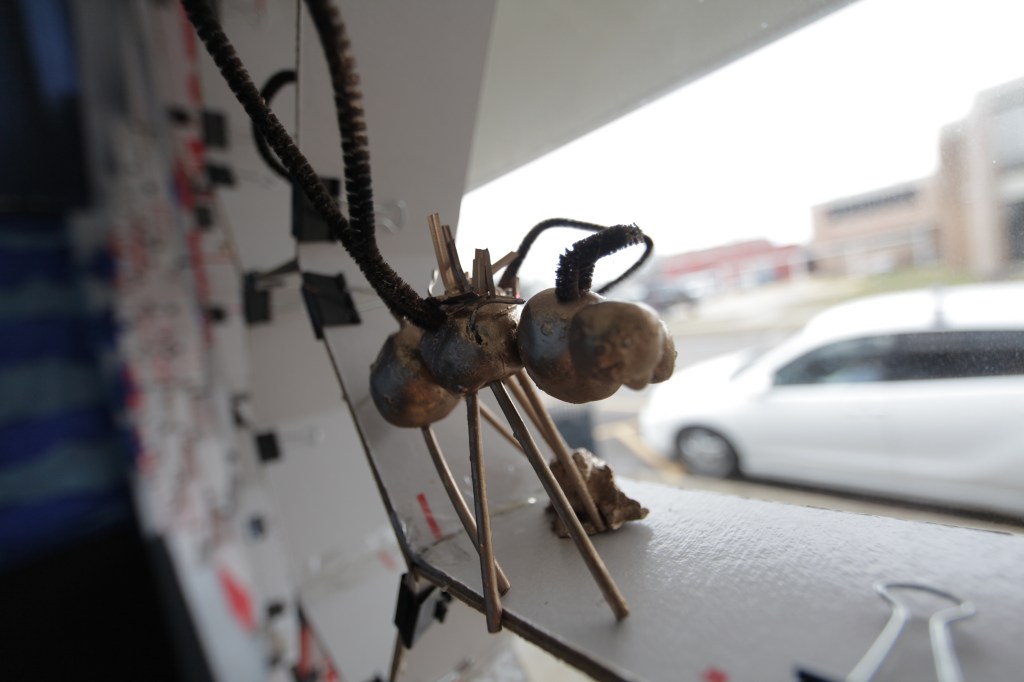
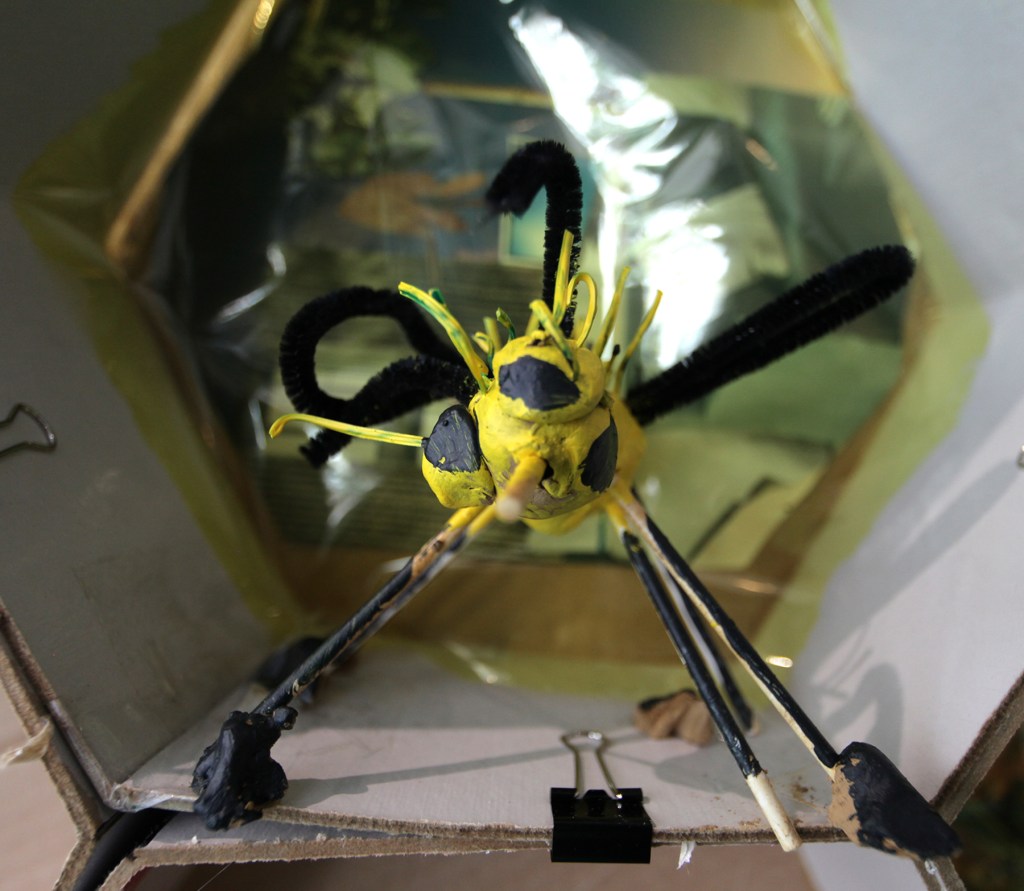
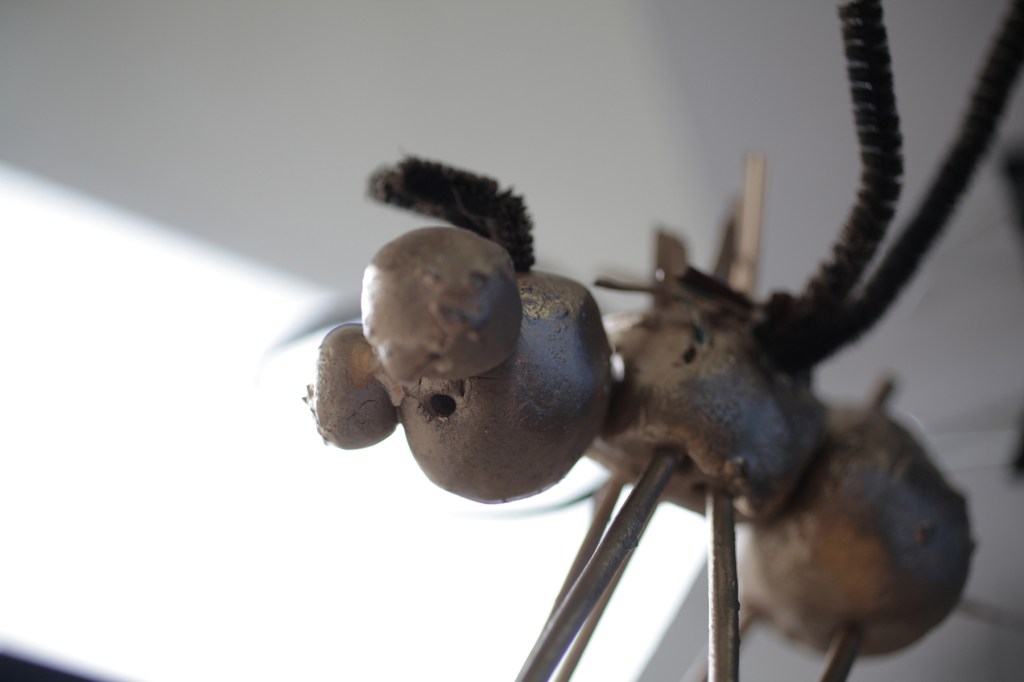
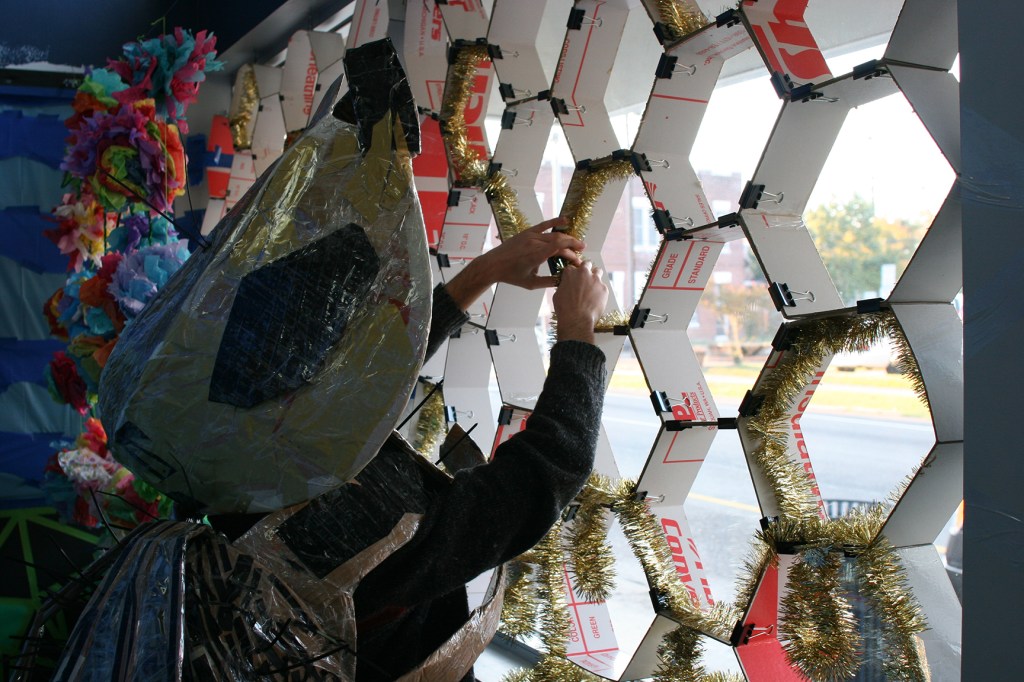
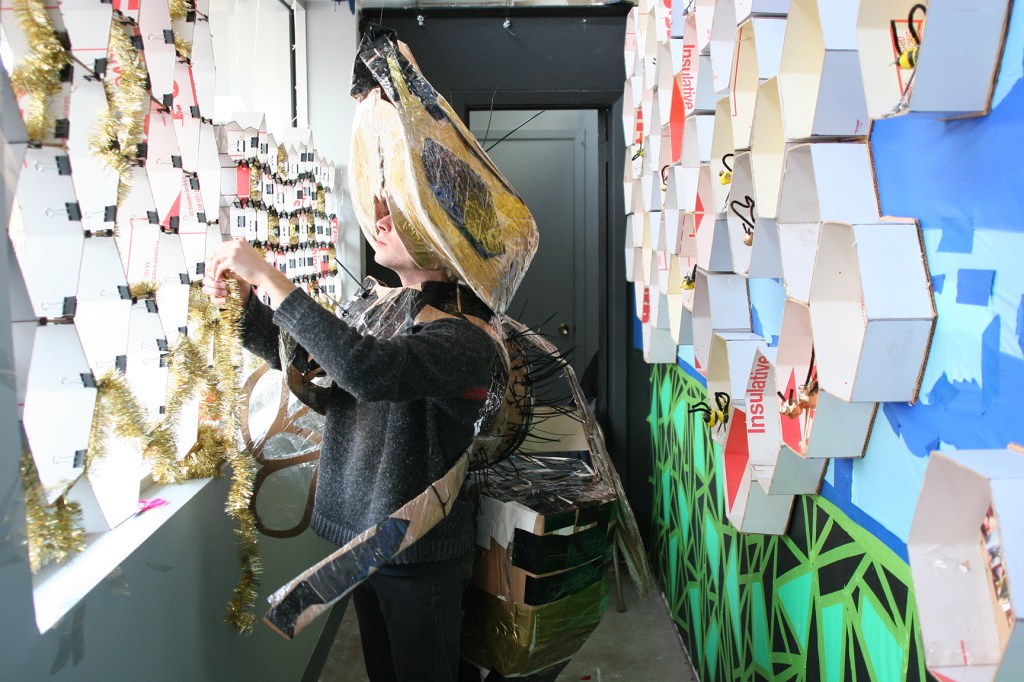
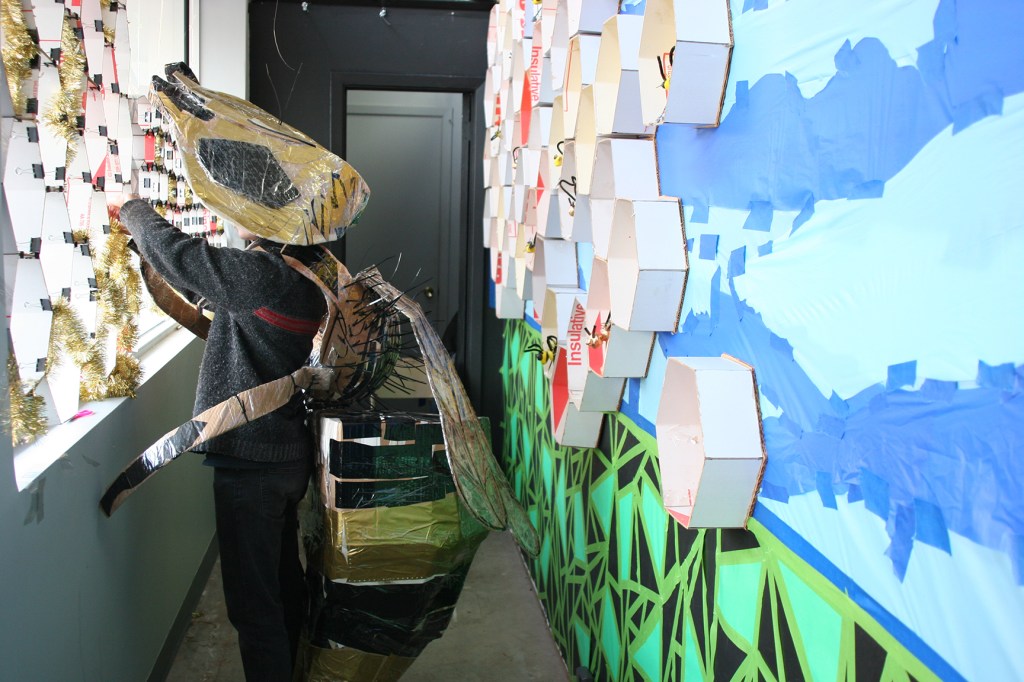
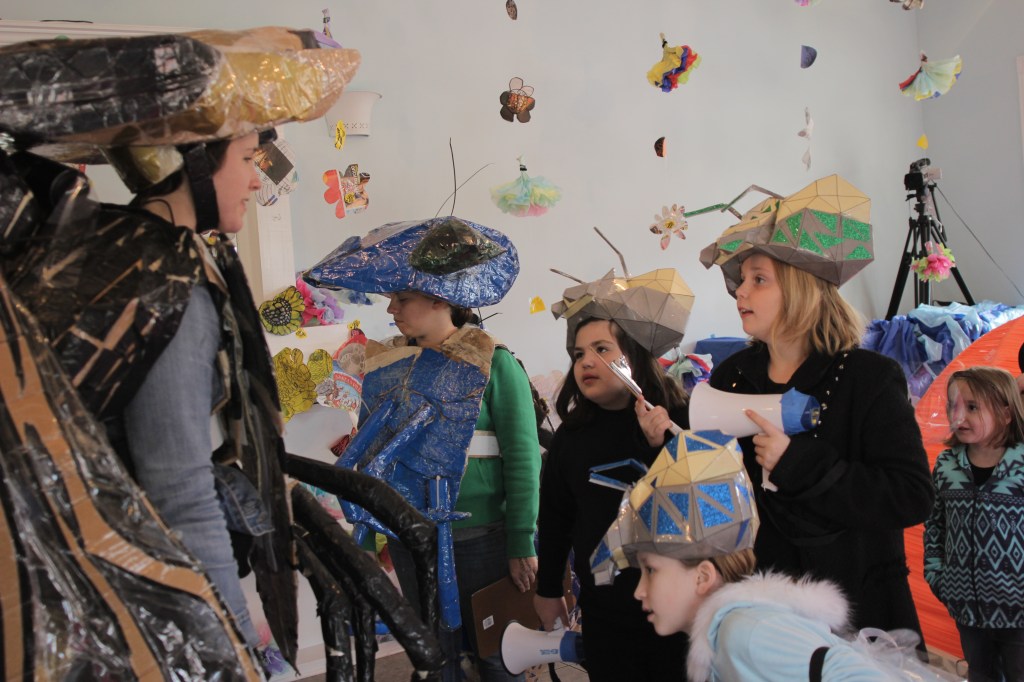
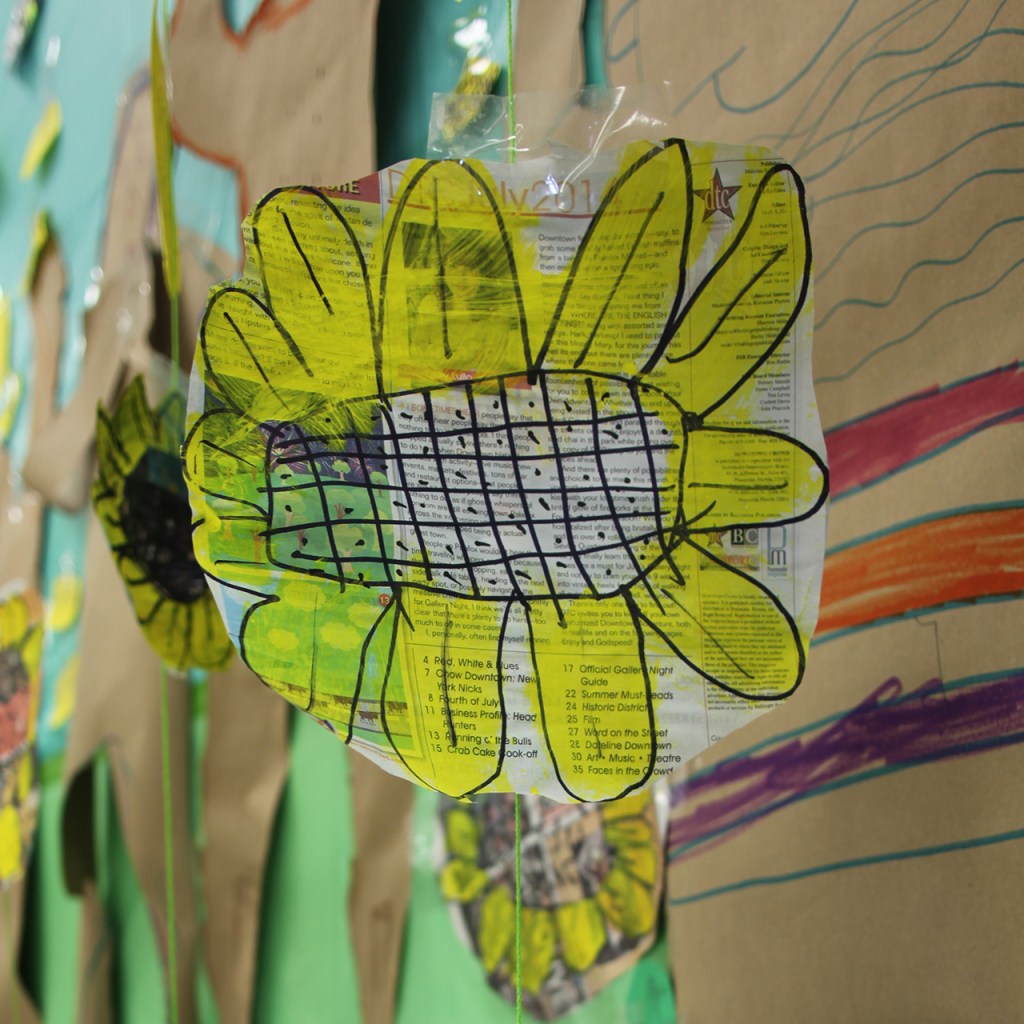
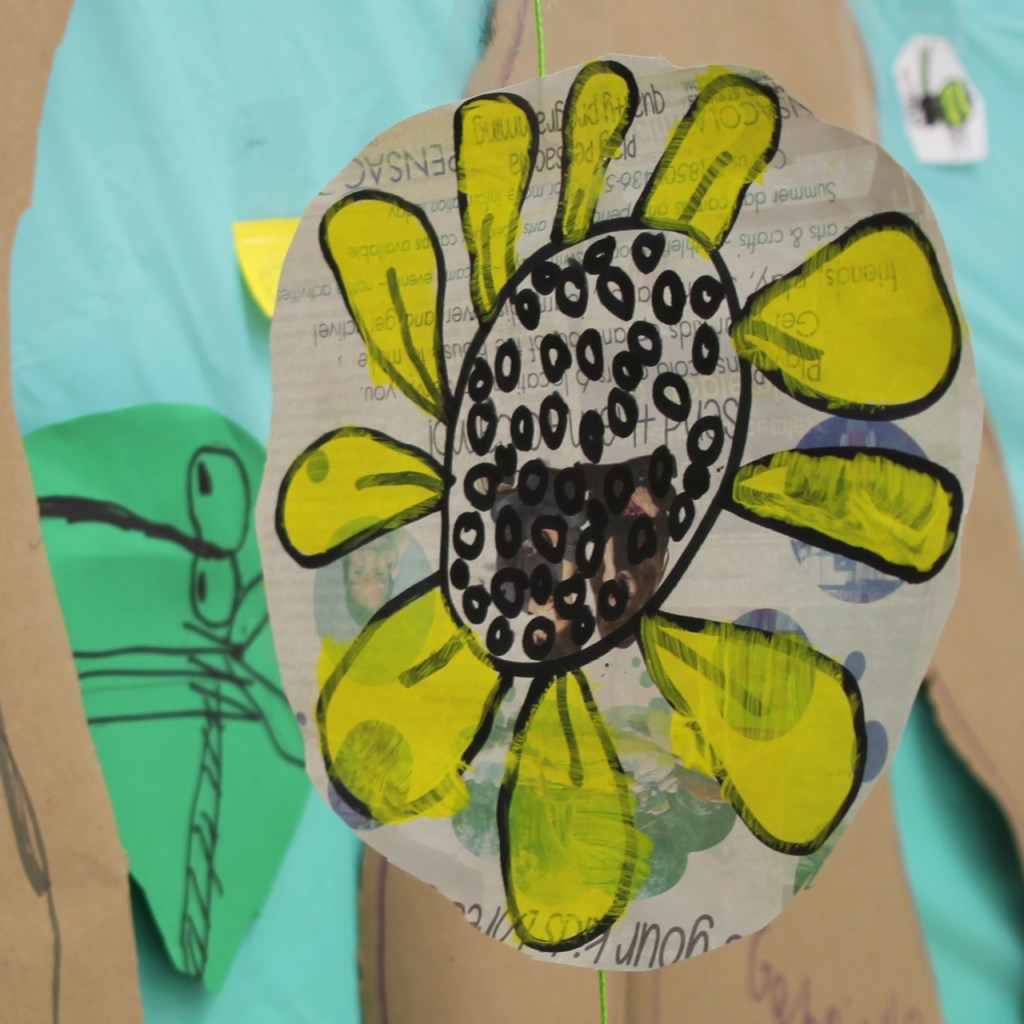
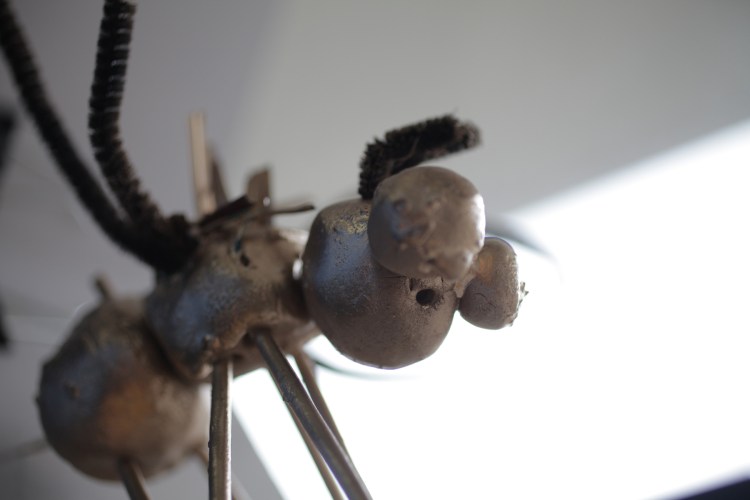
Workshops included those making bees of clay, printmaking and collaging bees and flowers, weaving beehives from recycled newspapers, interior decoration for contemporary bee apartments complexes, collaborative installation, and performing bee.
INSTALLATION
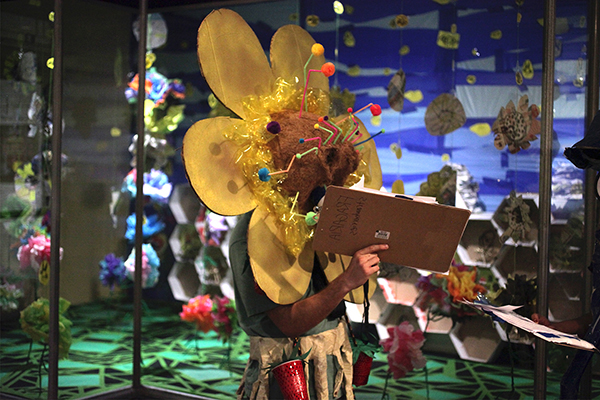
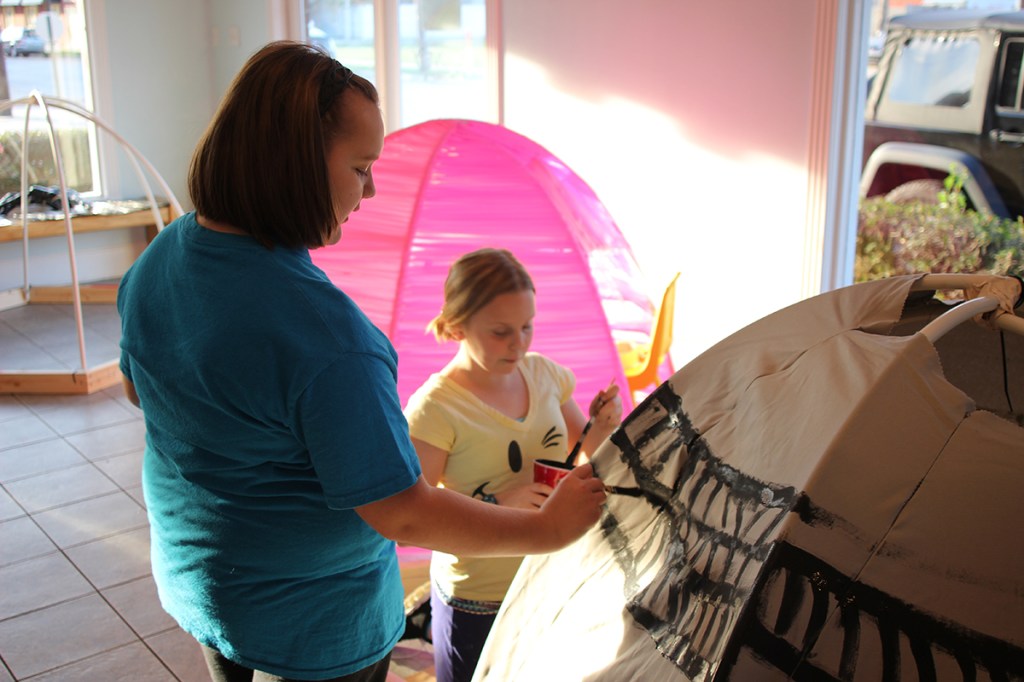
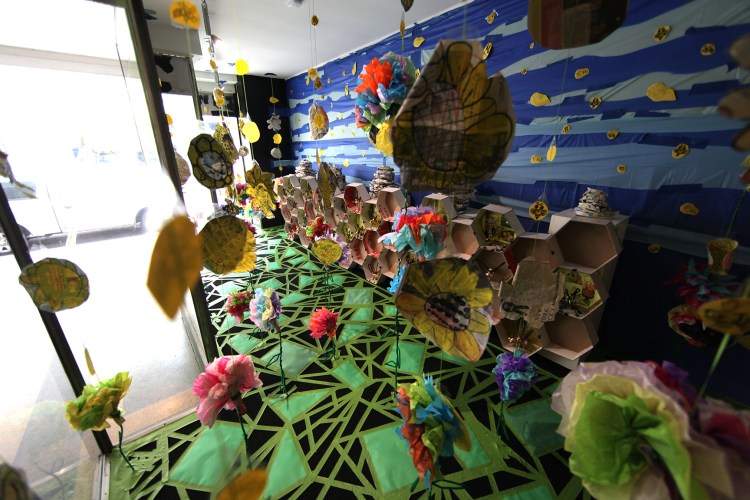
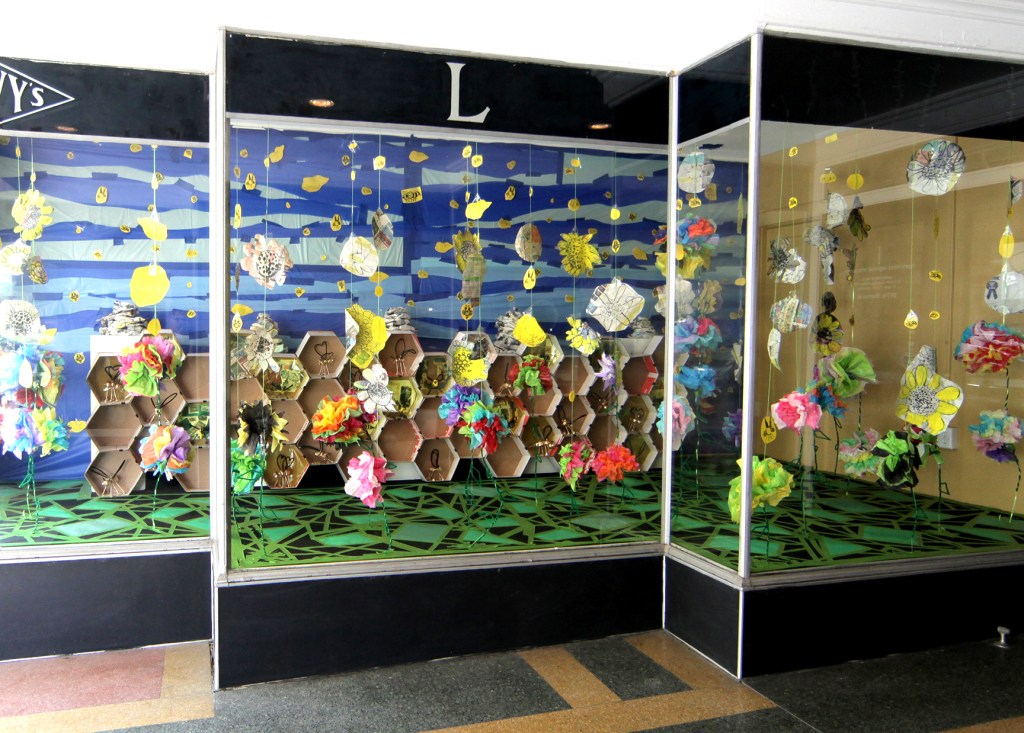
While several methods of art production were workshopped/practiced in terms of making art in relation to this idea, each workshop focused on collaboration, as a group and as a city. The products/artworks were installed in clusters, in collaborative installations at various sites around Hammond including the Hammond Recreation Center, the Hammond Regional Arts Center, the public library, and the Louisiana Children’s Discovery Center.
PERFORMANCE
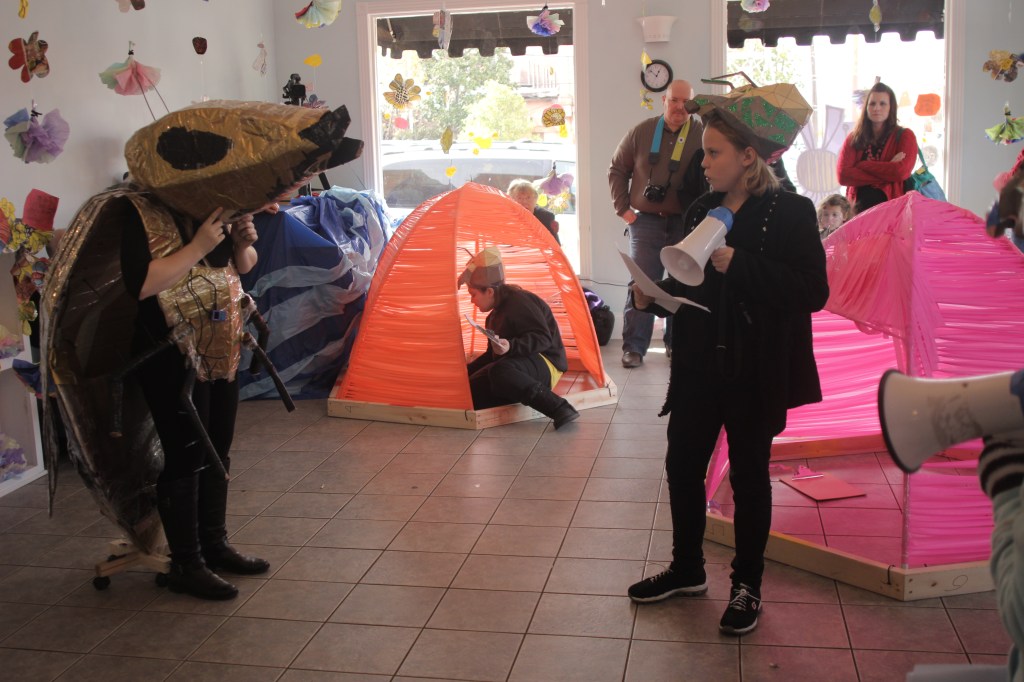
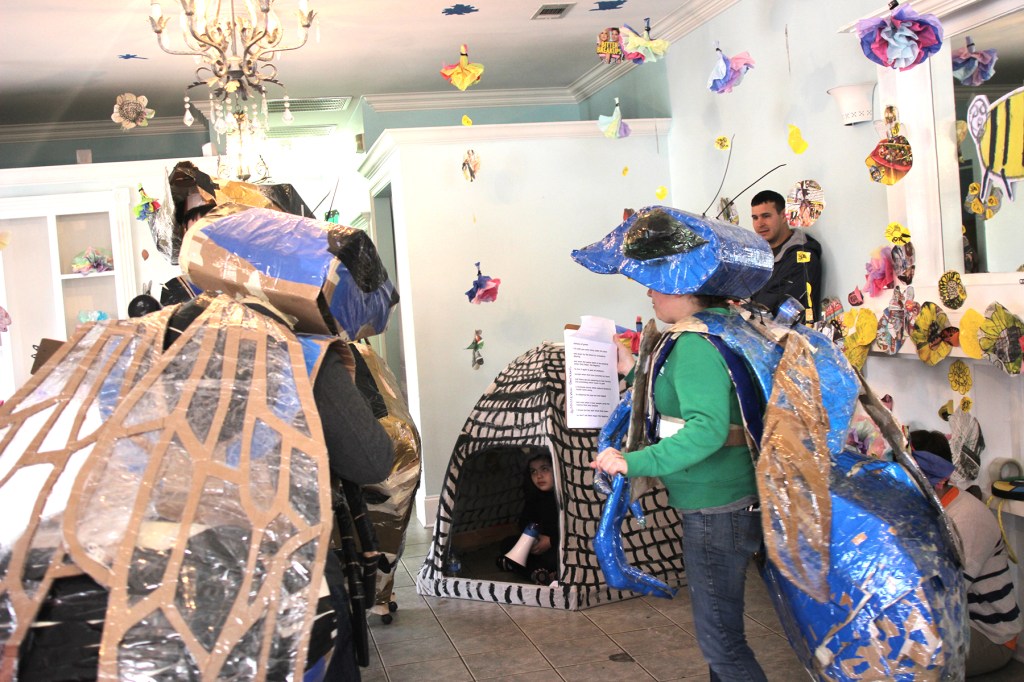
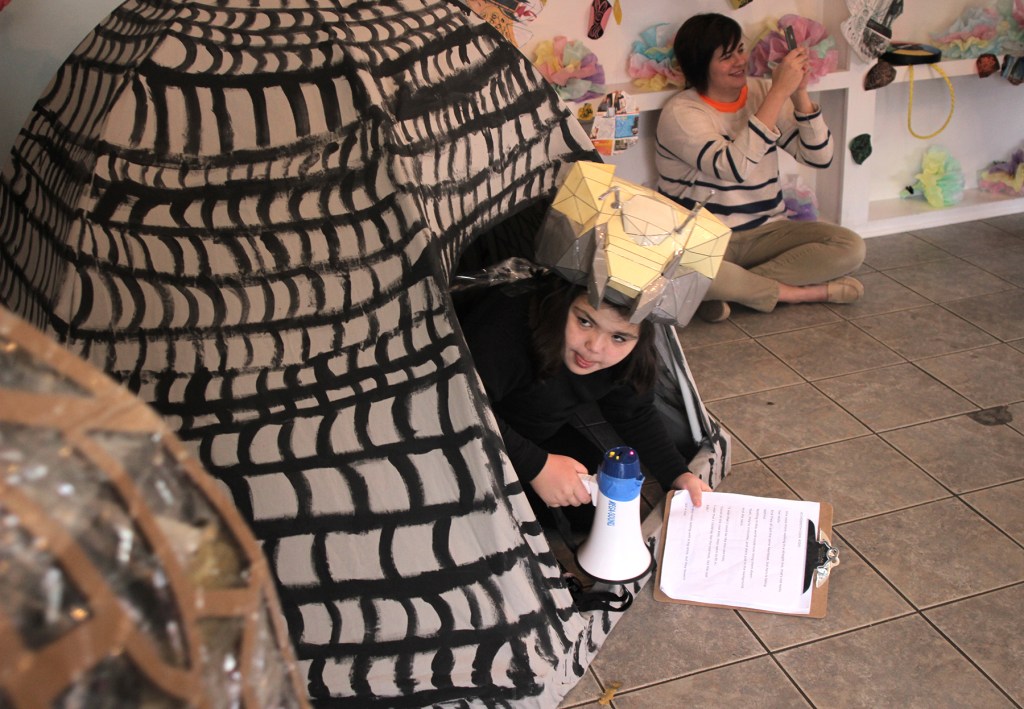
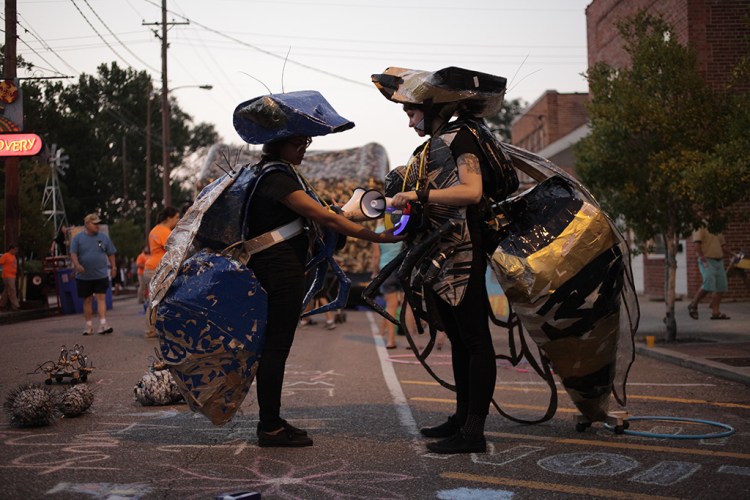
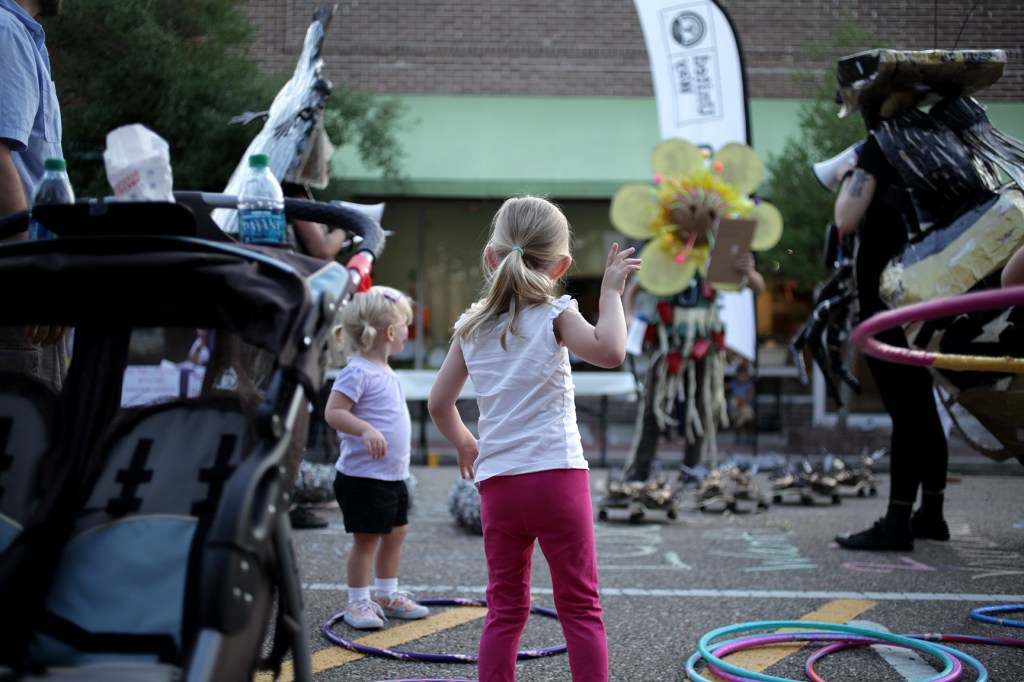
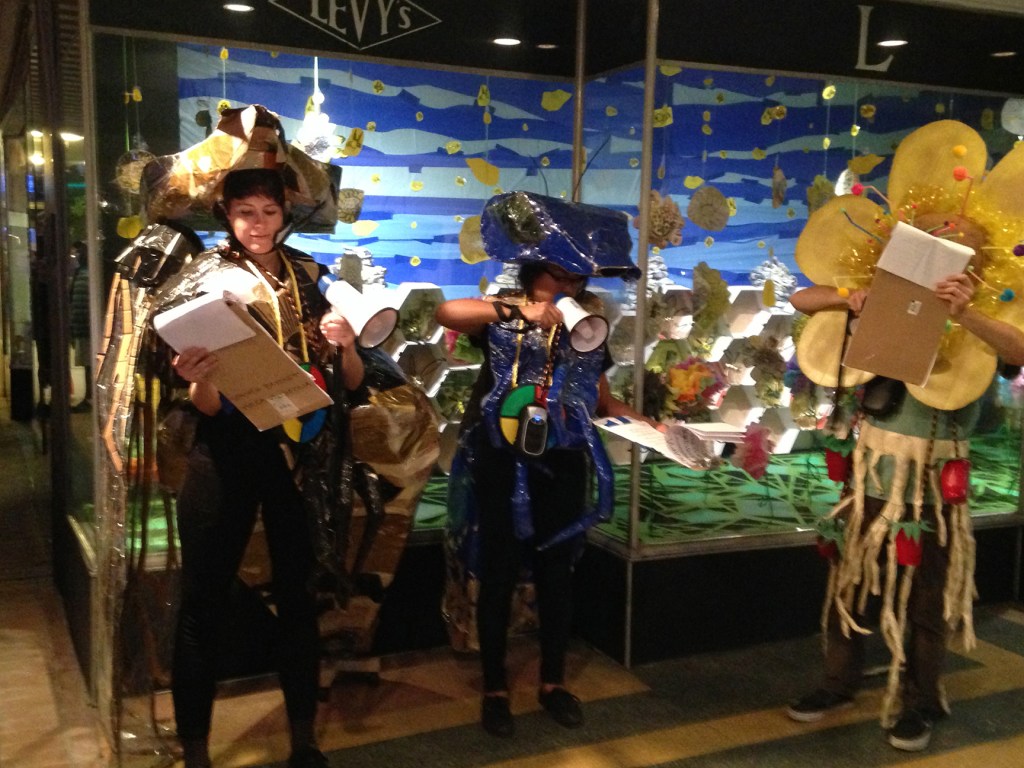
For the Feast of Flowers project I directed several performances. These performances often took place either just in front or fully inside of the installations. The performances drew attention to the project as one created with the collaborative efforts of the entire community, and the performances provided a time and place for the different groups creating different parts of the project to come together. The final two performances included UWF students and Tangipahoa middle schoolers. The final two performances were joined by a parade through downtown Hammond.
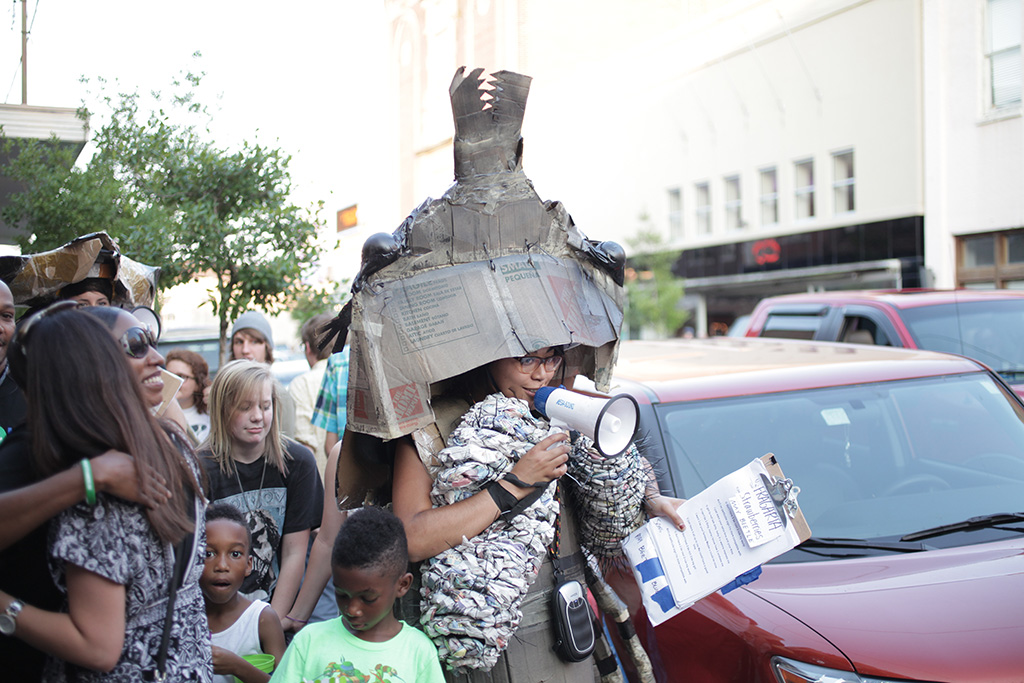
PARADES
The parades generally took place between performances at the beginning and end locations. The parades were migratory in nature, the results of the performances in which feral bees would convince domesticated bees to leave the hive for the wild nest.
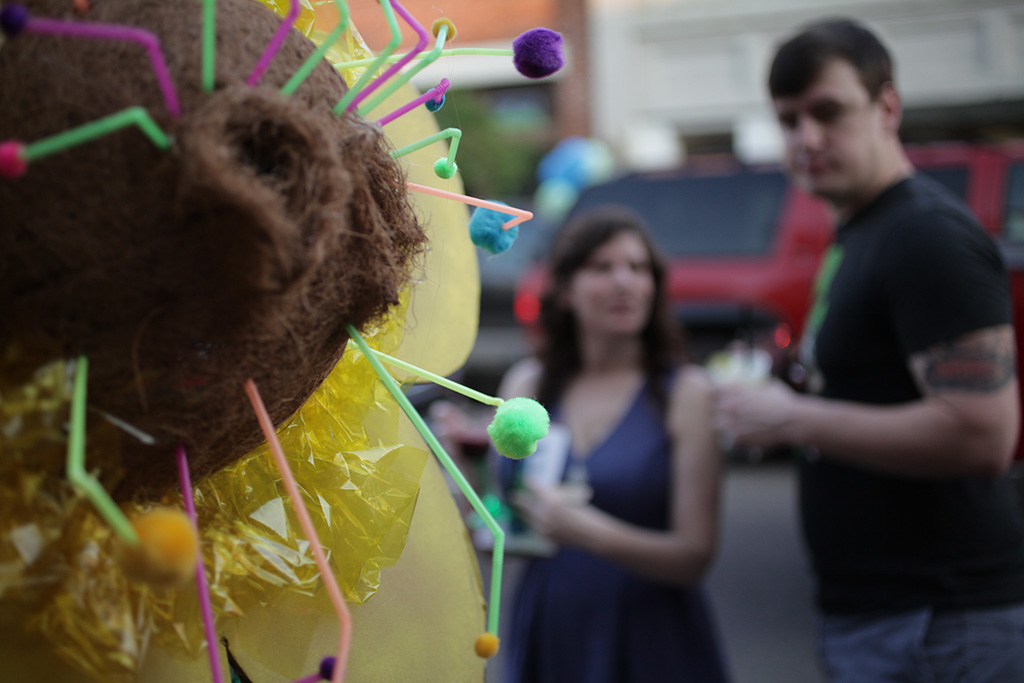
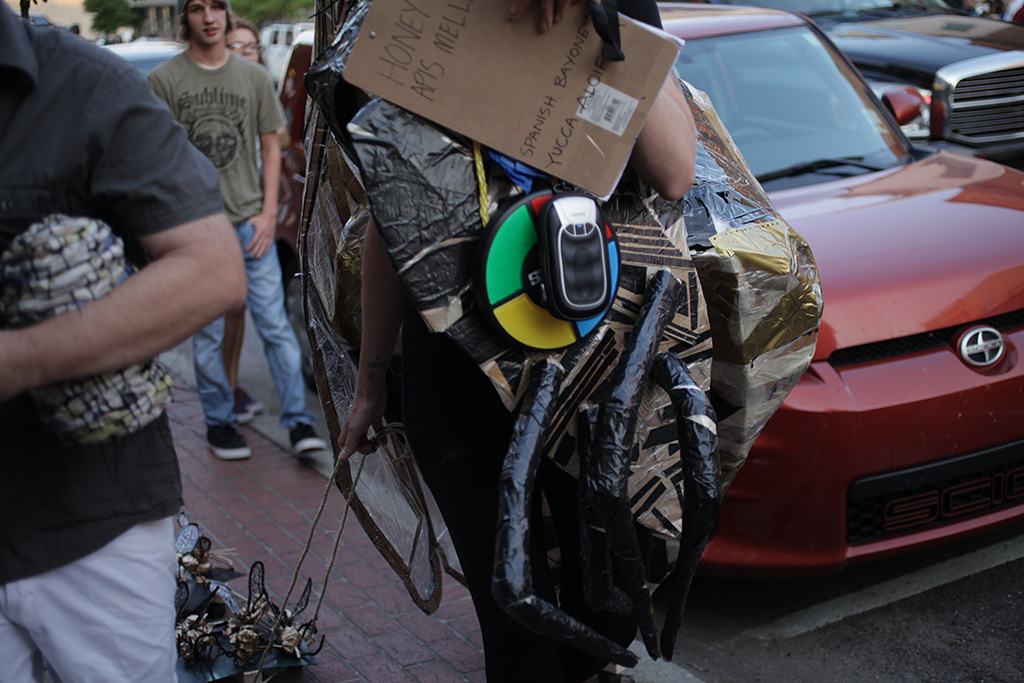
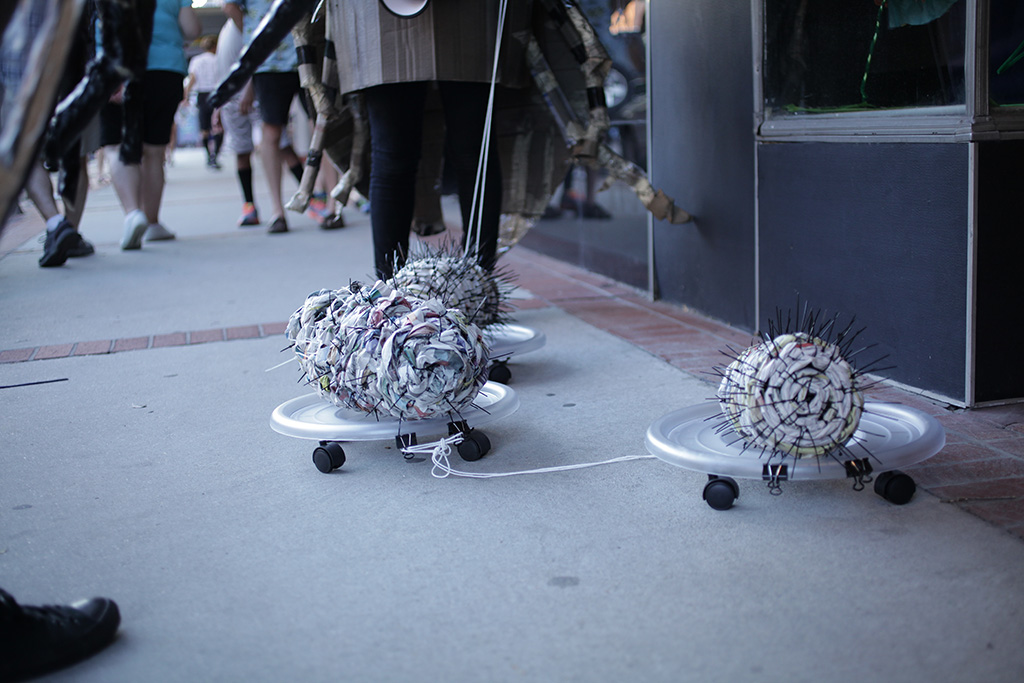
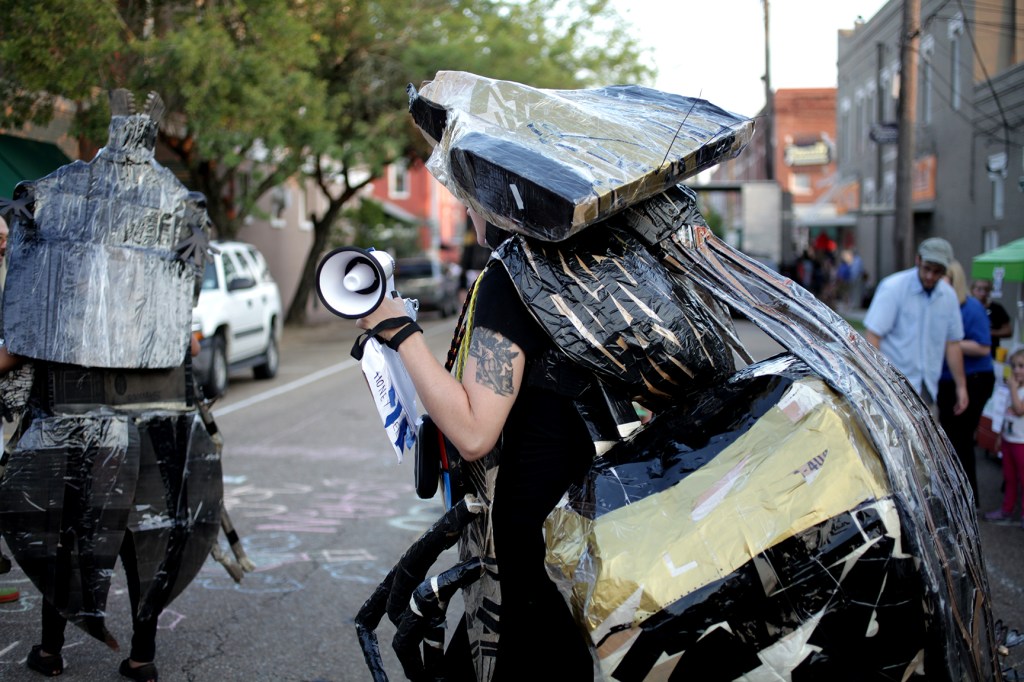
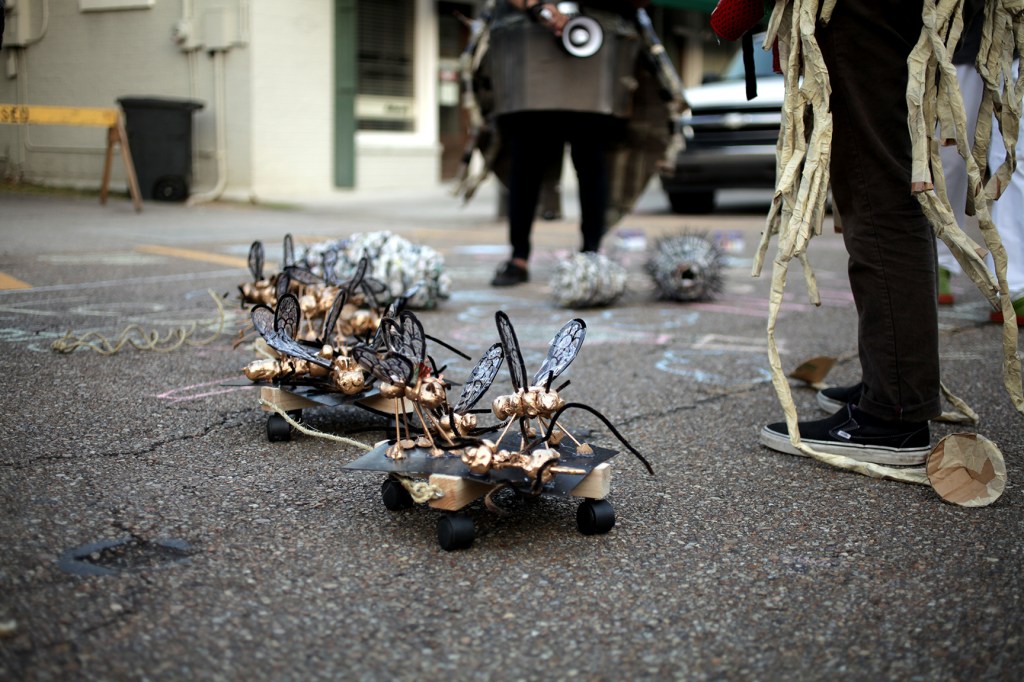
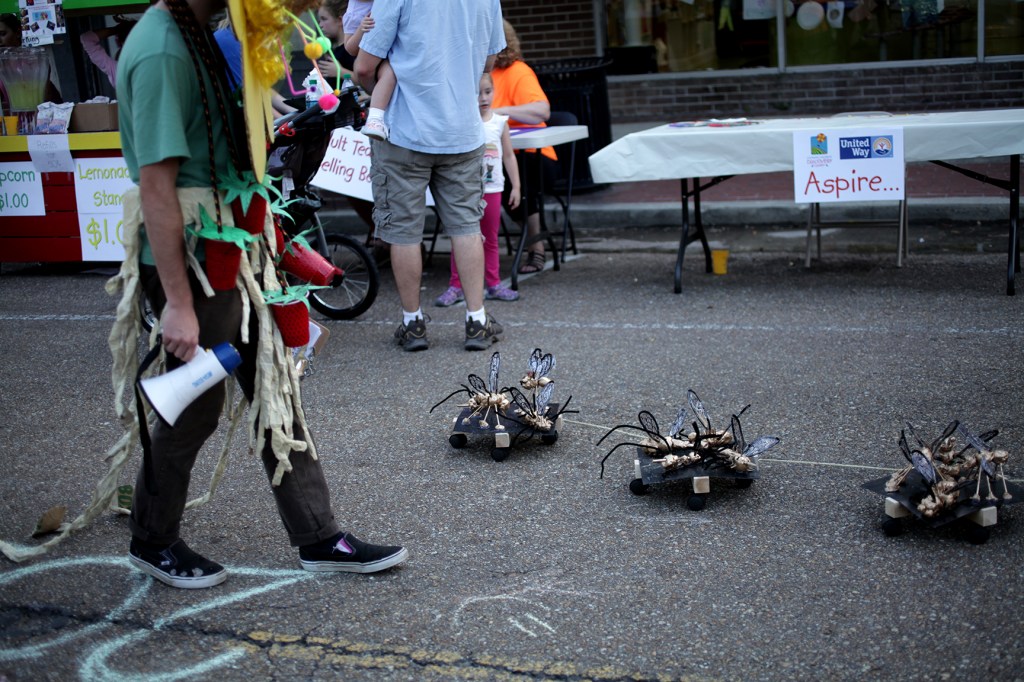
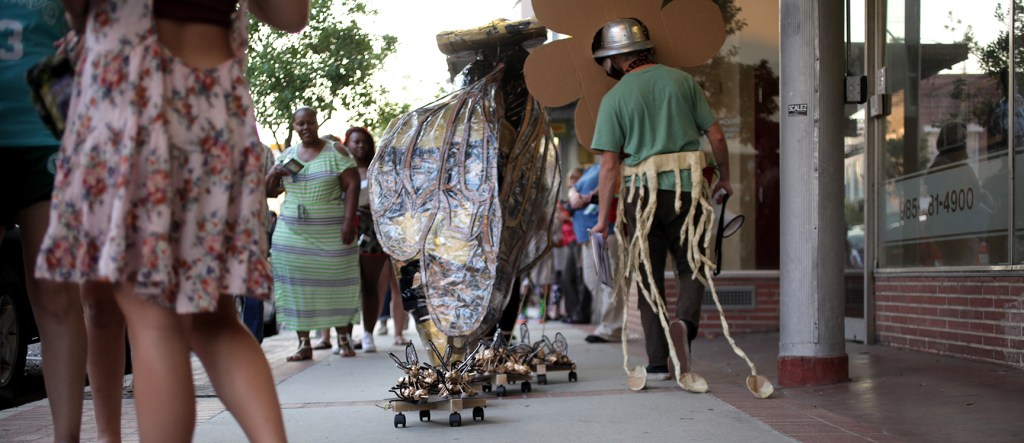
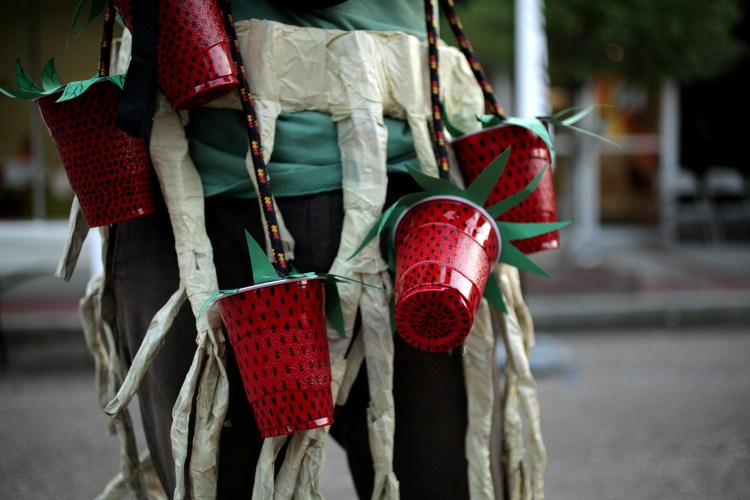
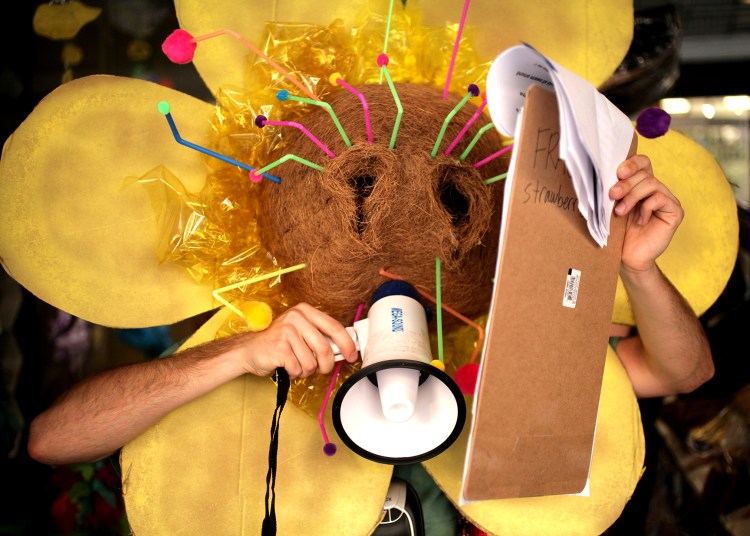
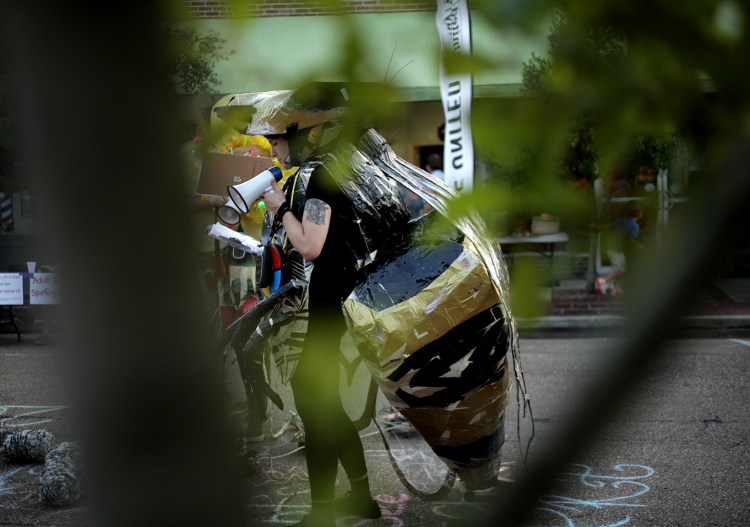
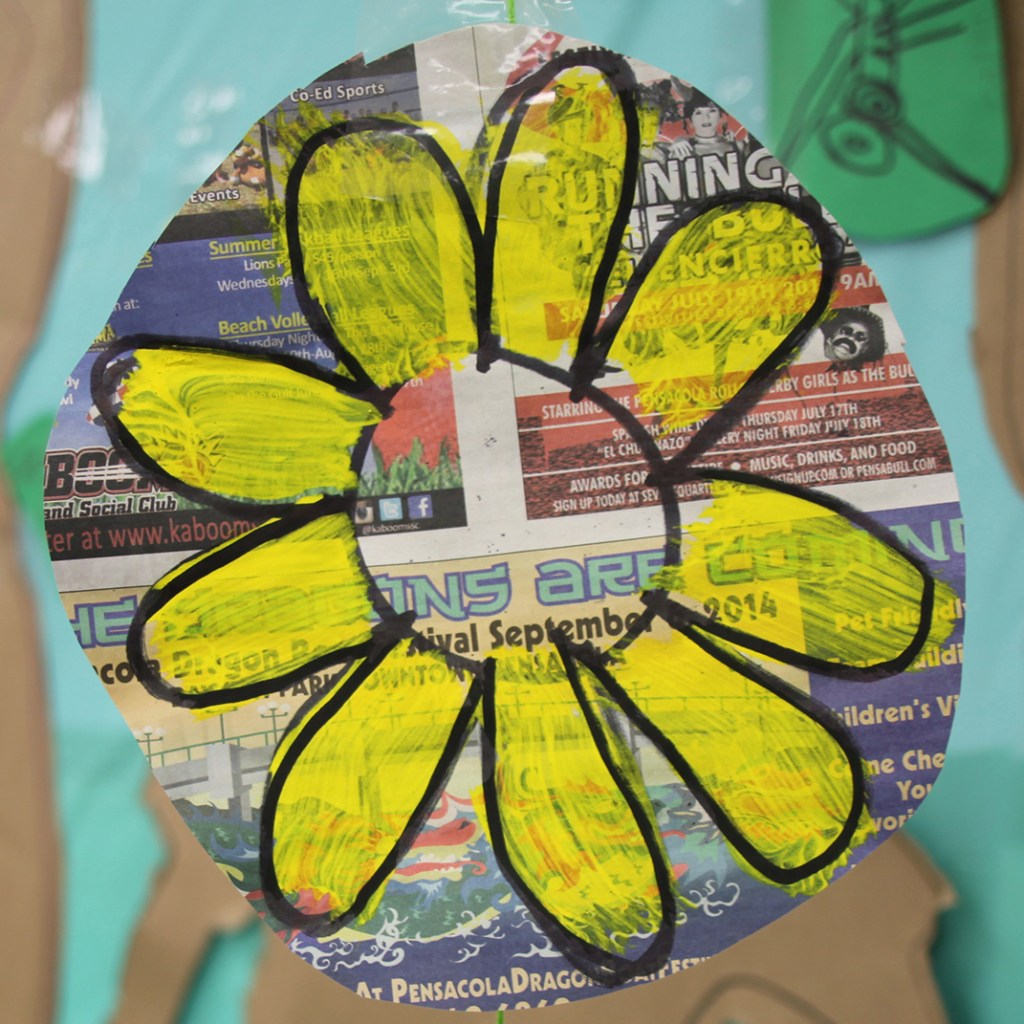
The project was, but was part of the Prospect Plus programming, the regional programming for small communities adjacent to New Orleans associated with Prospect, the American Biennial. The Prospect audience came on busses two days through the project, once for the ACRE TV opening at the Hammond Regional Art Center and once for the closing Feast of Flowers performance and parade.
Impacted by this project were the summer camp students, roughly thirty per class, and there were six classes. There three class-sized field trips to the Louisiana Children’s Discovery Center participated in the project. Options classes were around ten to twelve students with monthly meetings over the course of the eight month project.The Octavians Children’s Theater Group was around six students that we worked with daily for two weeks. Three Senior Center workshops had around twenty participants each time. The performances took place on city-wide event nights like “Starry November Nights.” The town is small, but the residents were out in full force.
 House Pencil Green