
High Impact Practices utilized in this project:
Collaborative Assignments and Projects
Collaborative learning combines two key goals: learning to work and solve problems in the company of others, and sharpening one’s own understanding by listening seriously to the insights of others, especially those with different backgrounds and life experiences. Approaches range from study groups within a course, to team-based assignments and writing, to cooperative projects and research.
Undergraduate Research
Many colleges and universities now provide research experiences for students in all disciplines. Undergraduate research, however, is most prominently in science. With strong support from NSF, scientists are reshaping courses to connect key concepts and questions with students’ early and active involvement in systematic investigation. The goal is to involve students with actively contested questions, empirical observation, technologies, and the sense of excitement that comes from working to answer questions.
Capstone Courses and Projects
Whether called “senior capstones” or some other name, these culminating experiences require students nearing the end of their college years to create a project of some sort that integrates and applies what they’ve learned. Capstones are offered both in departmental programs and, increasingly, in general education as well
High-Impact Educational Practices Excerpt from High-Impact Educational Practices: What They Are, Who Has Access to Them, and Why They Matter, by George D. Kuh (AAC&U, 2008)
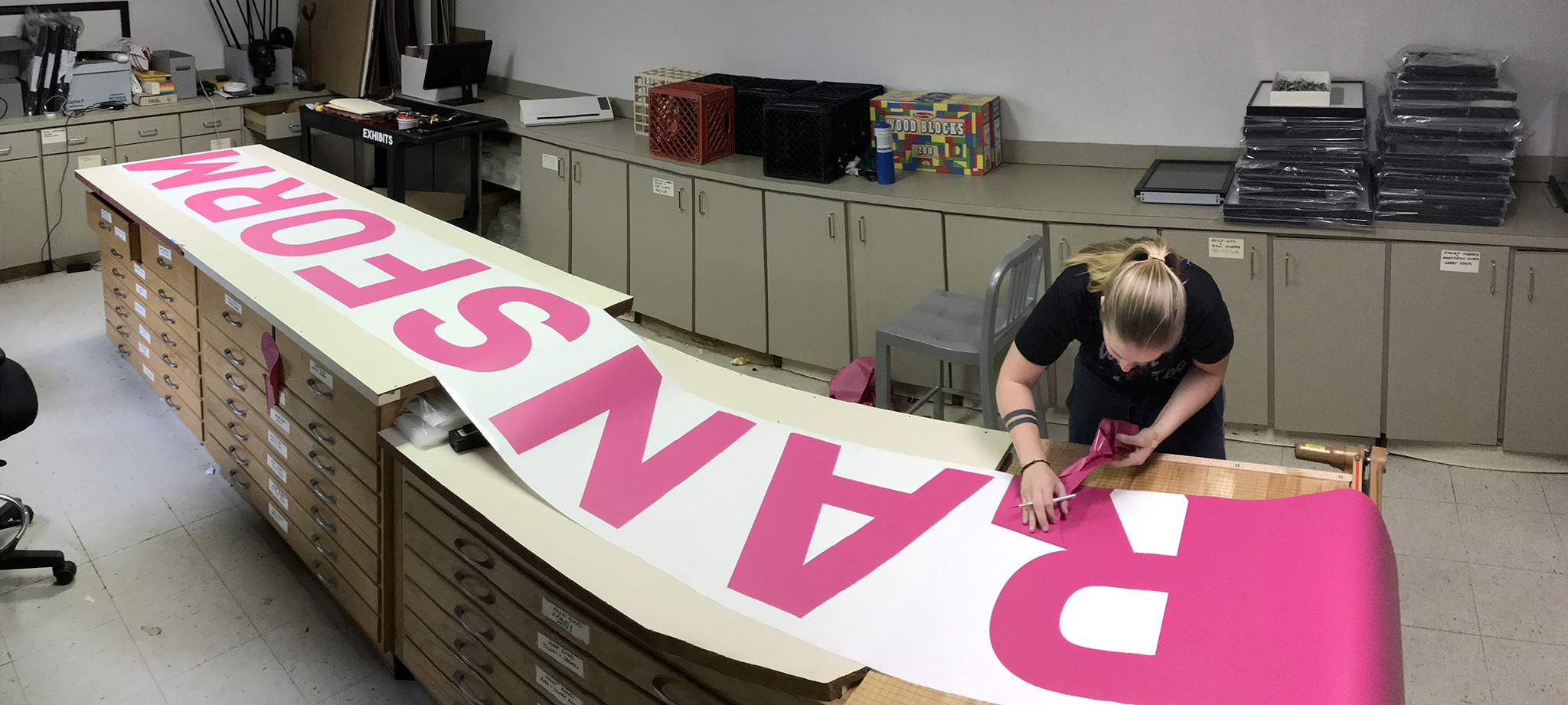
GRAPHIC DESIGN GRADUATION EXHIBITIONS
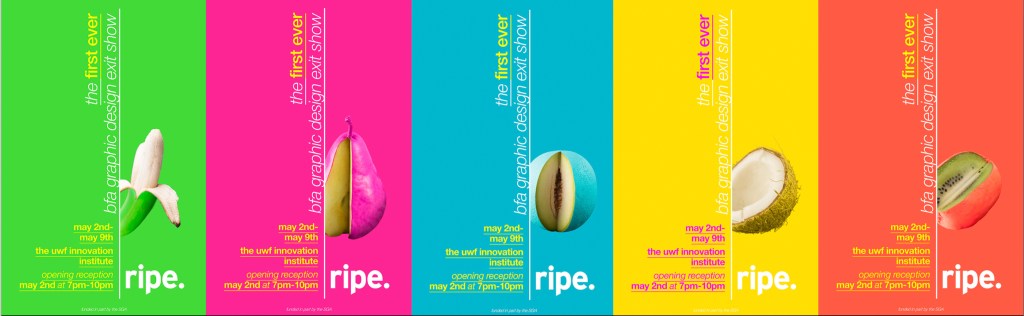
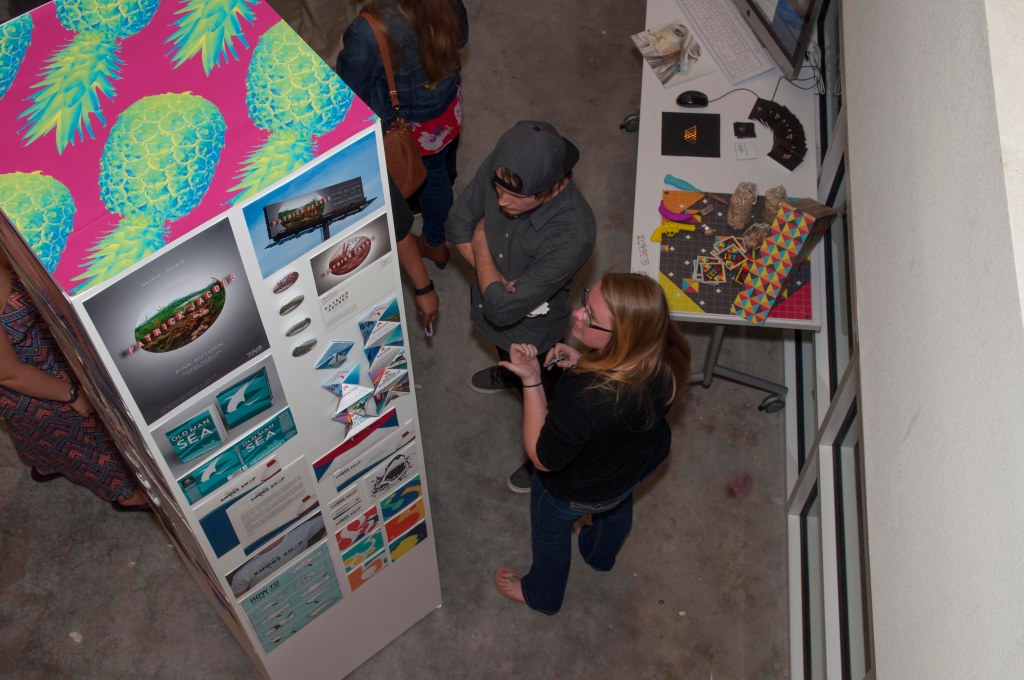
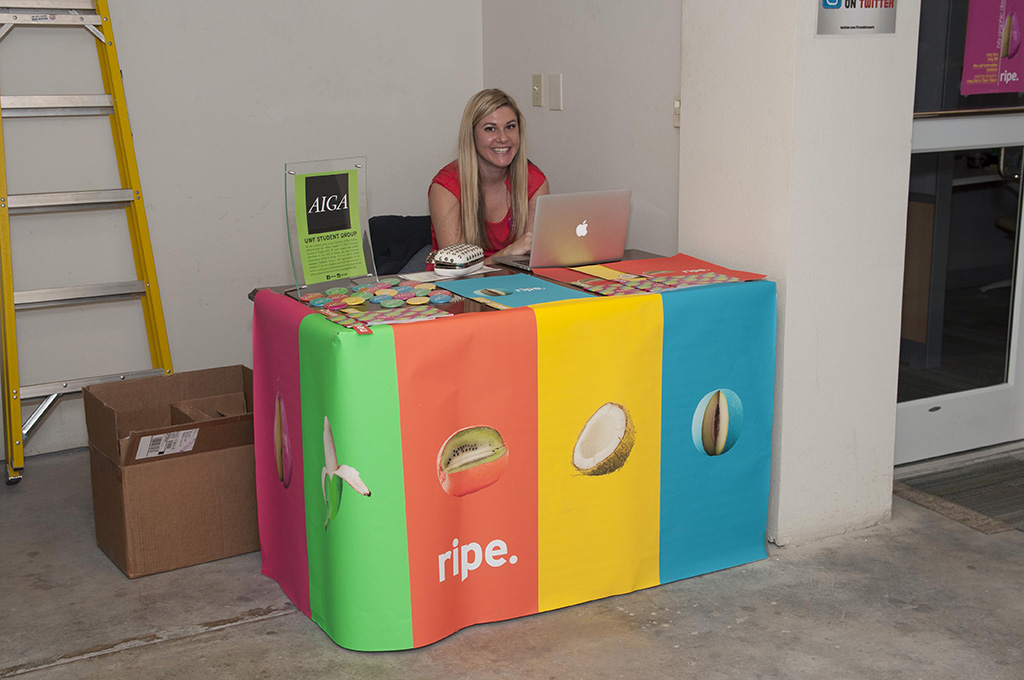
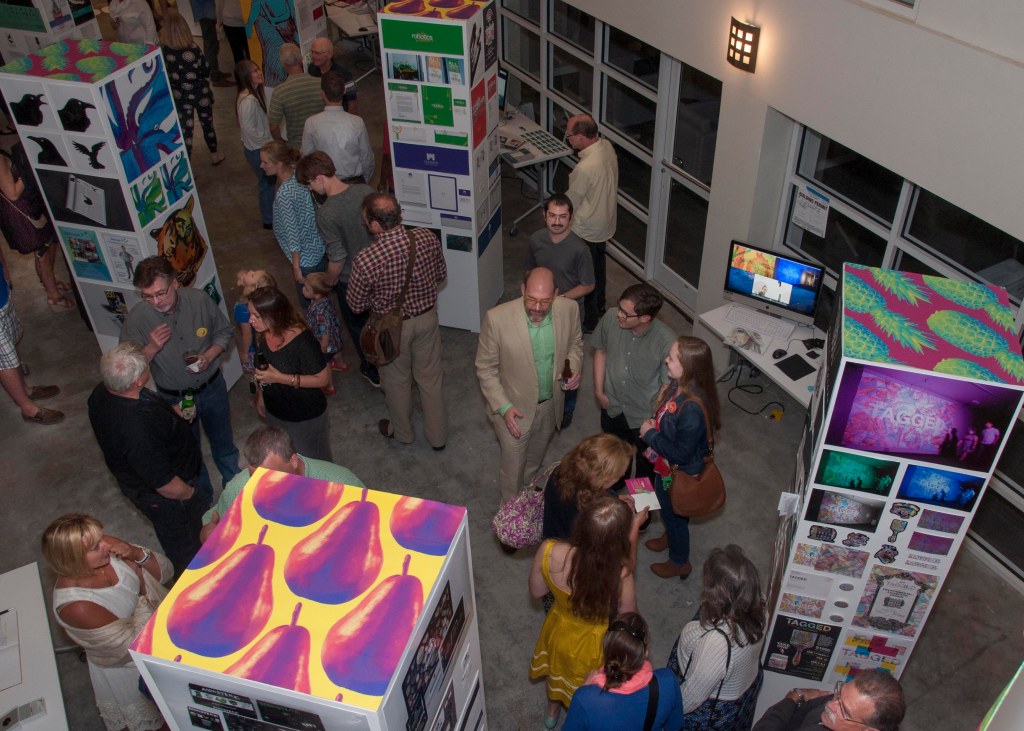
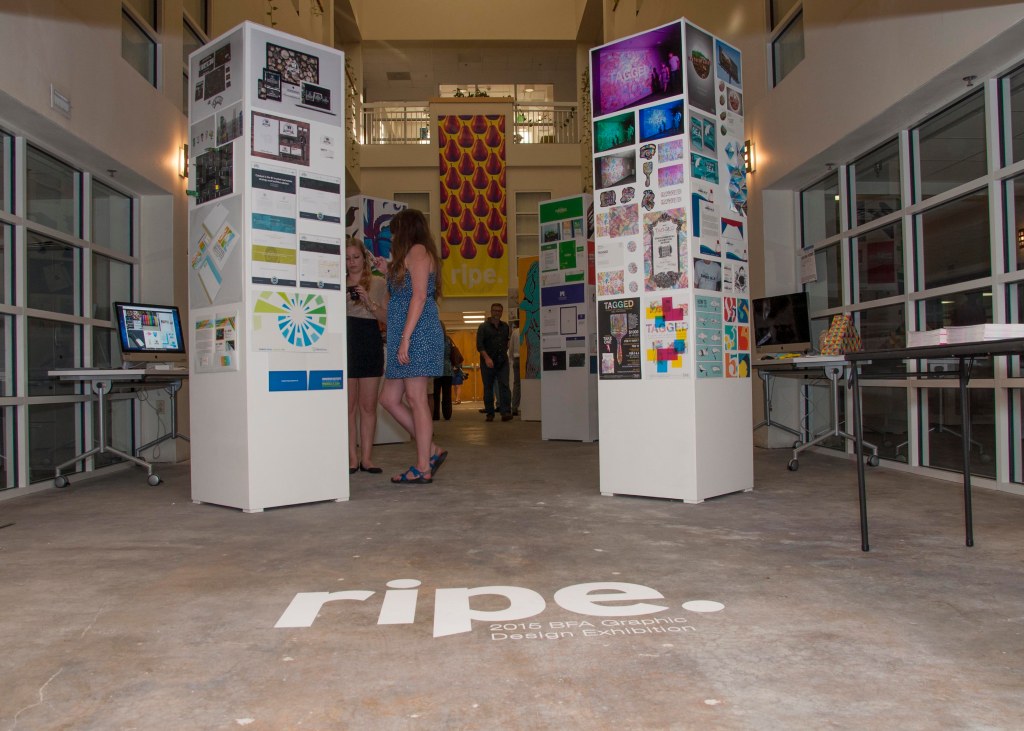
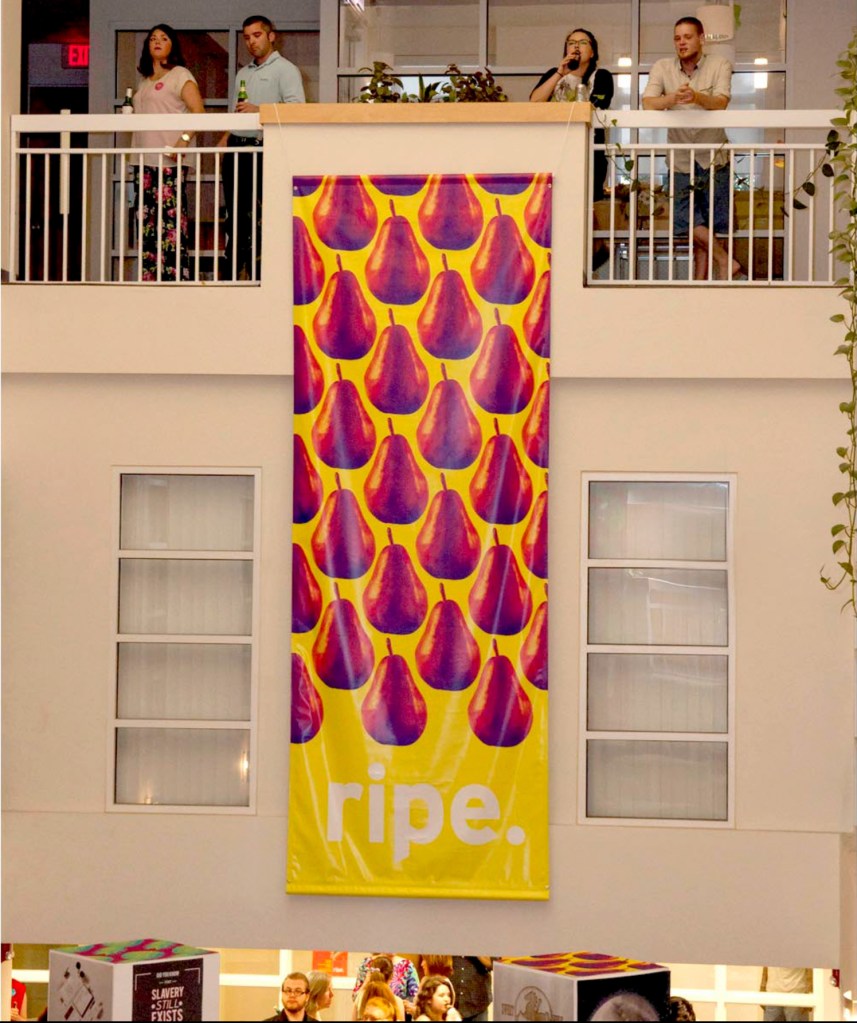
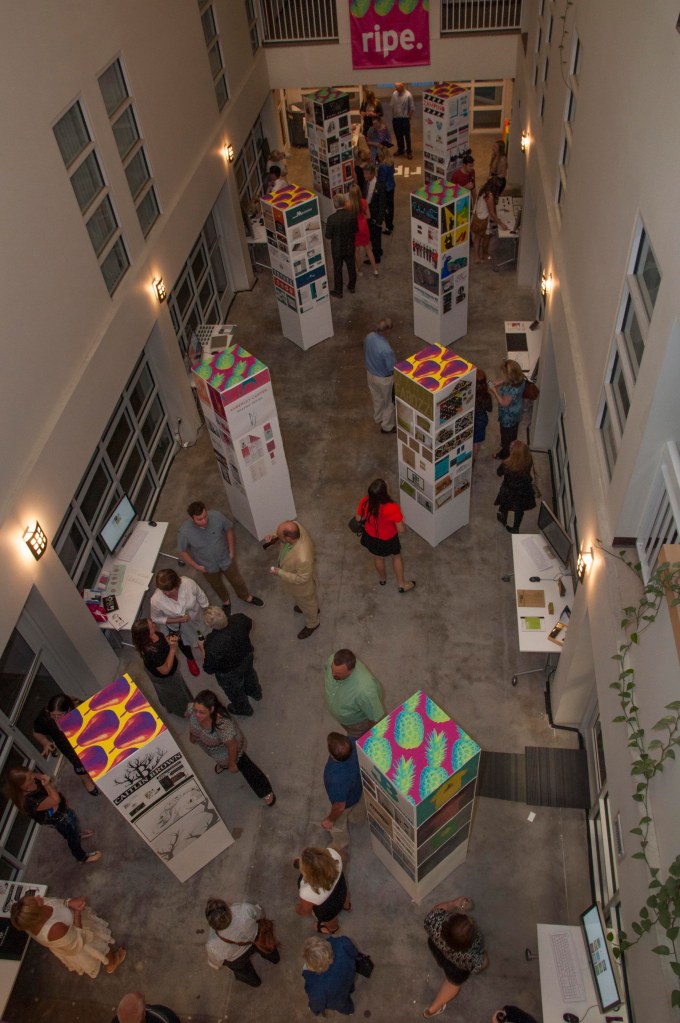
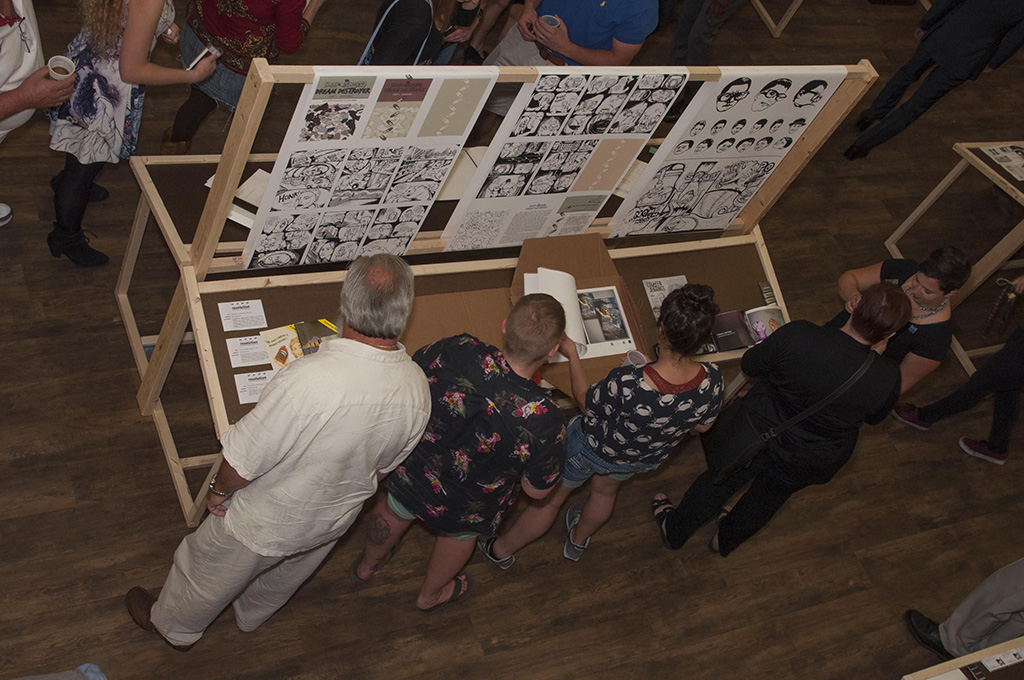
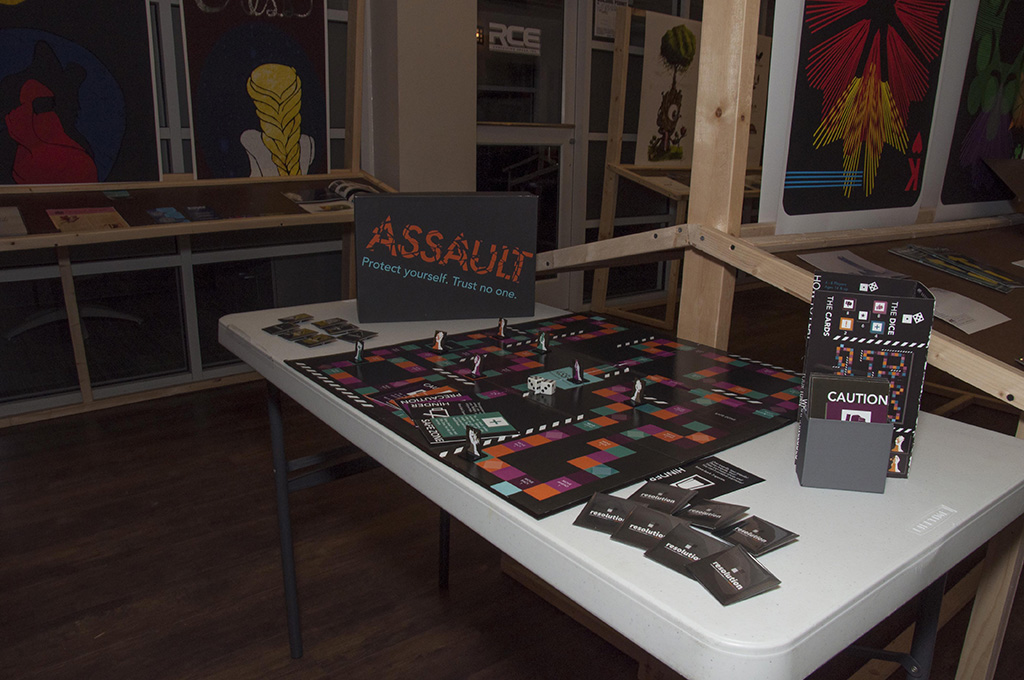
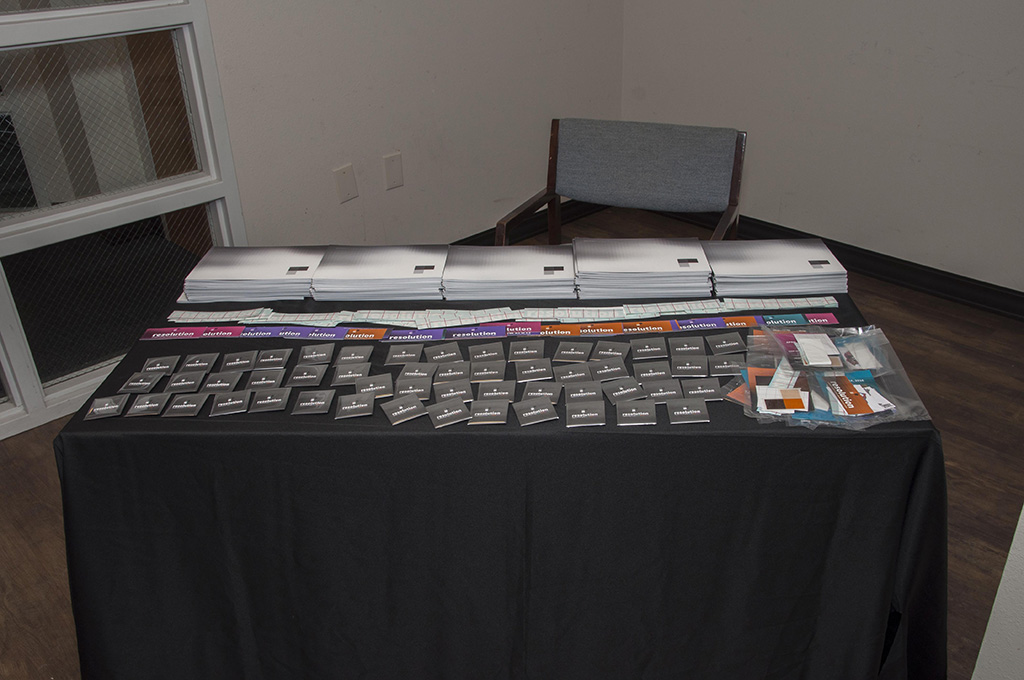
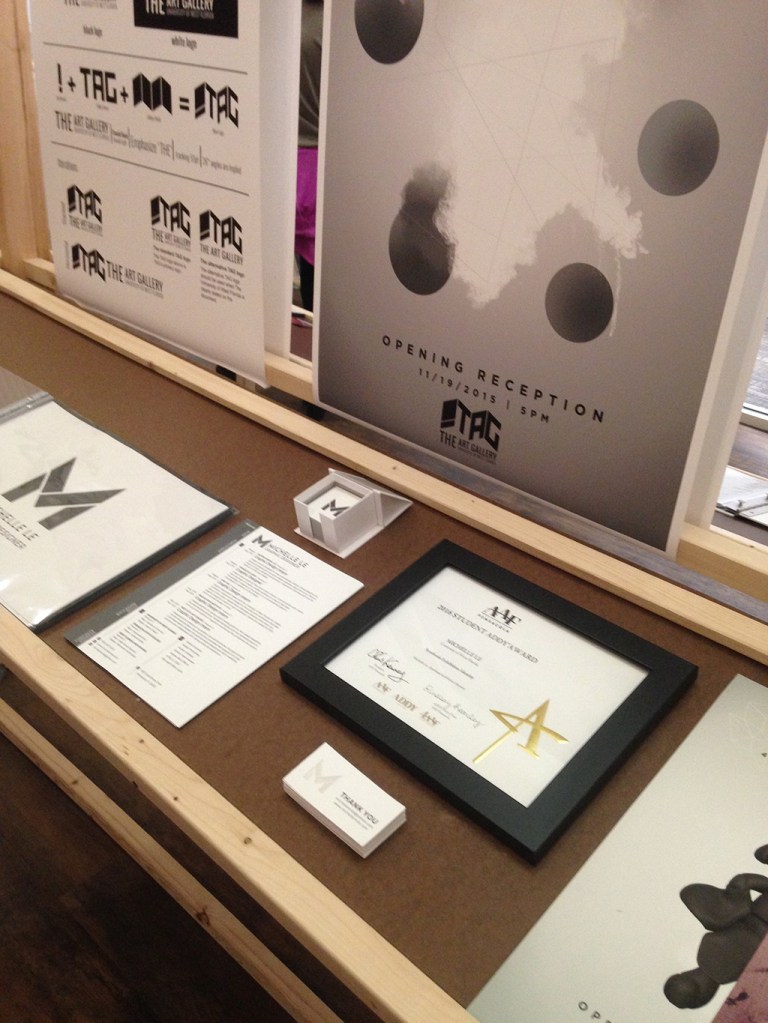
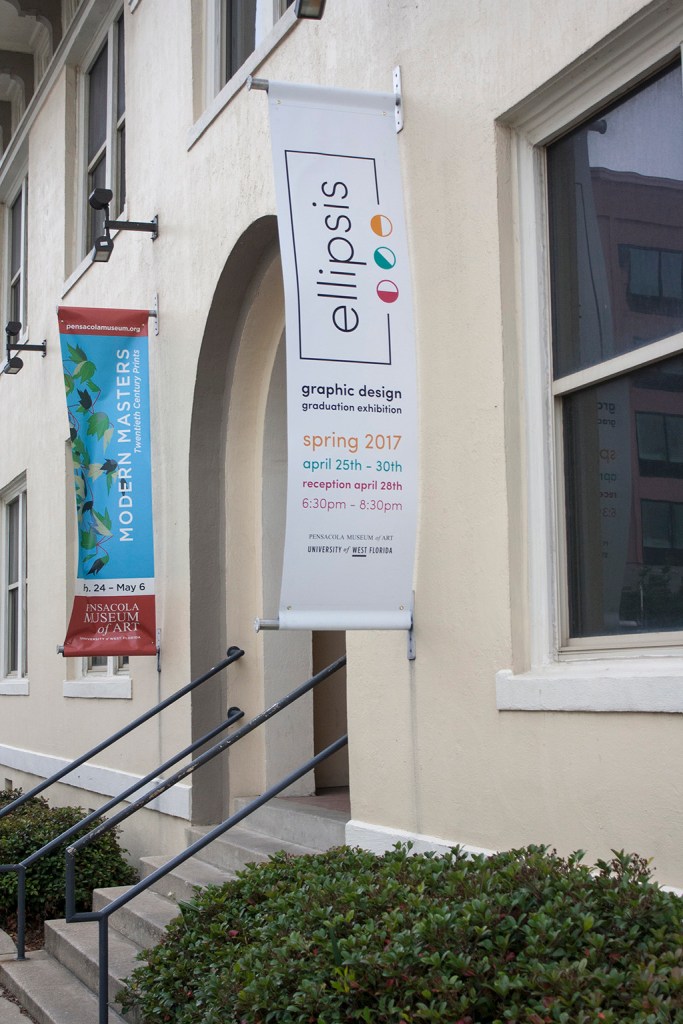
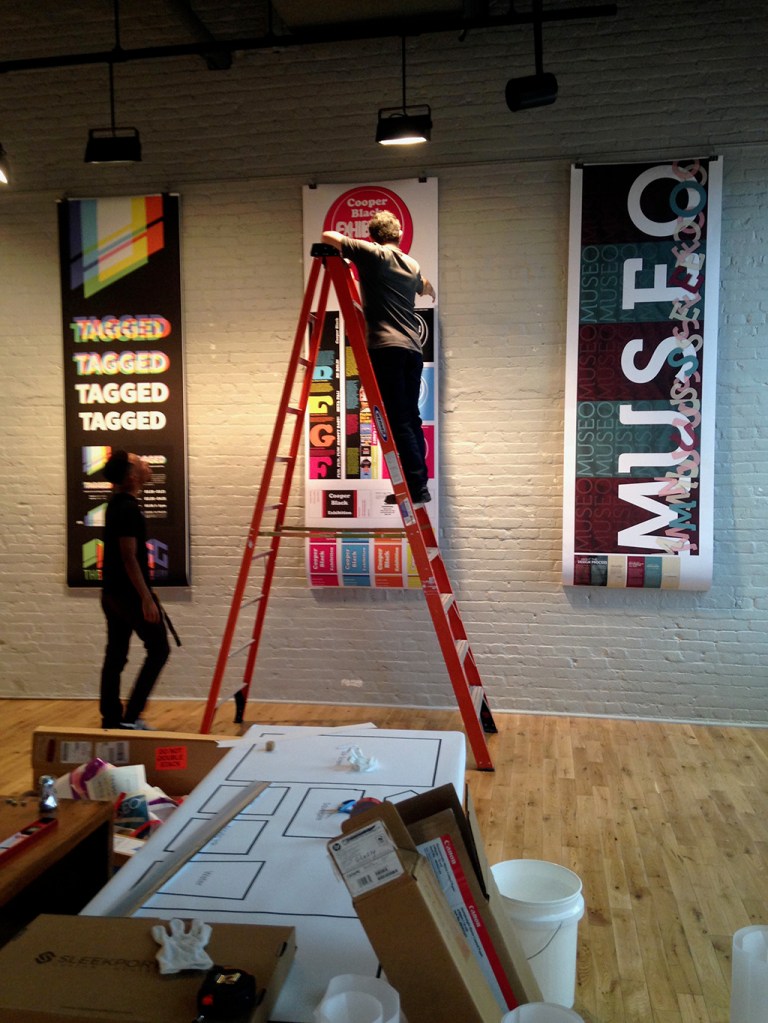
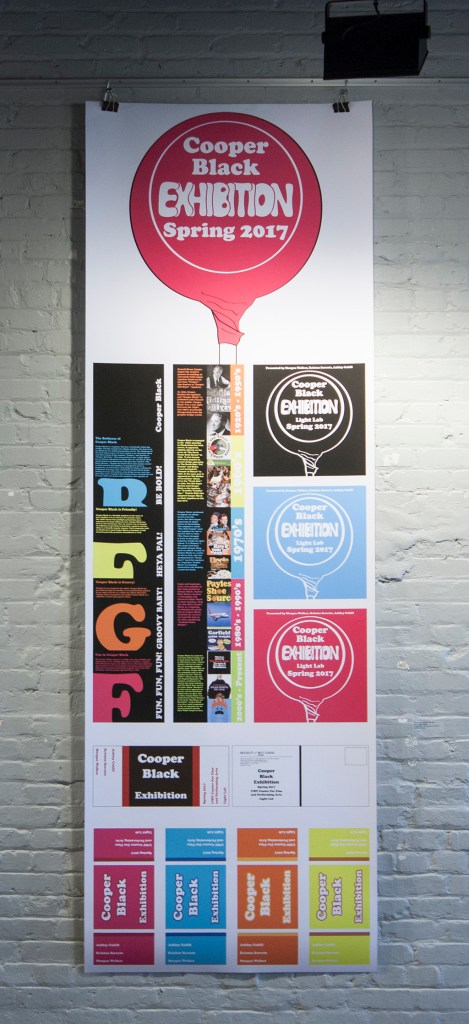
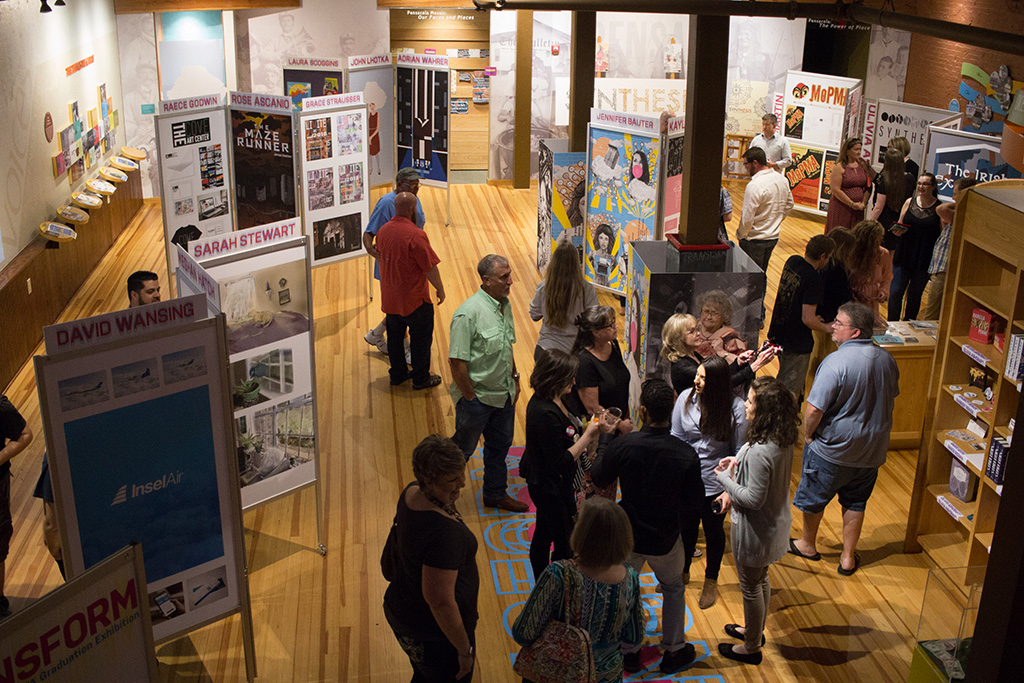
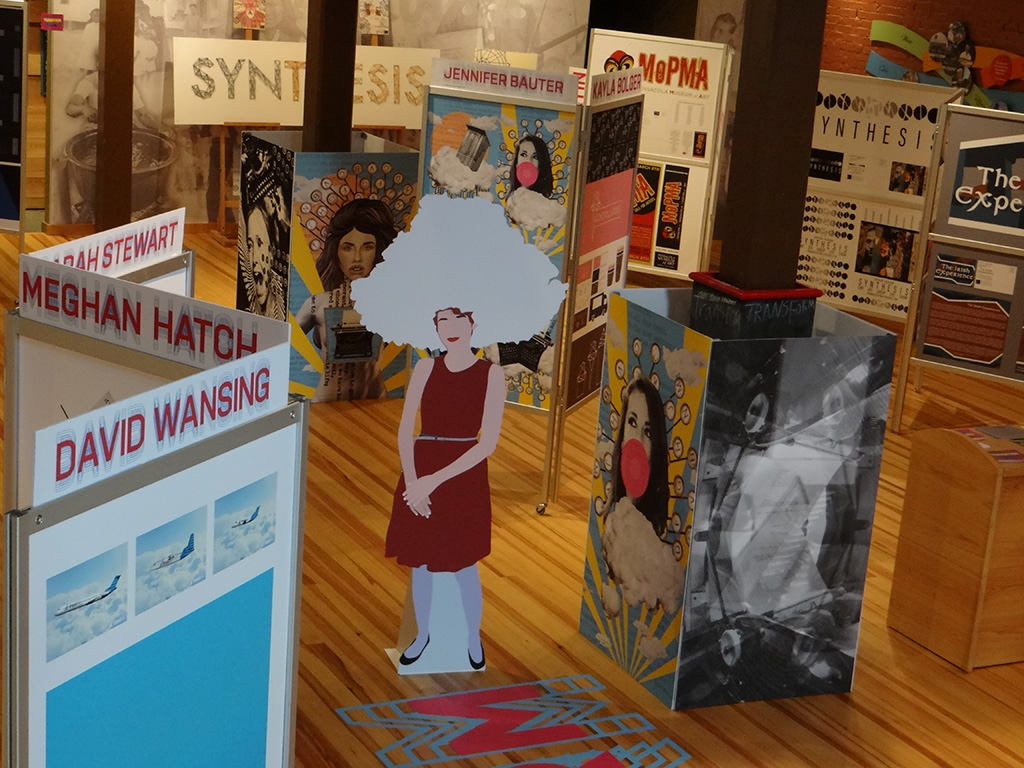
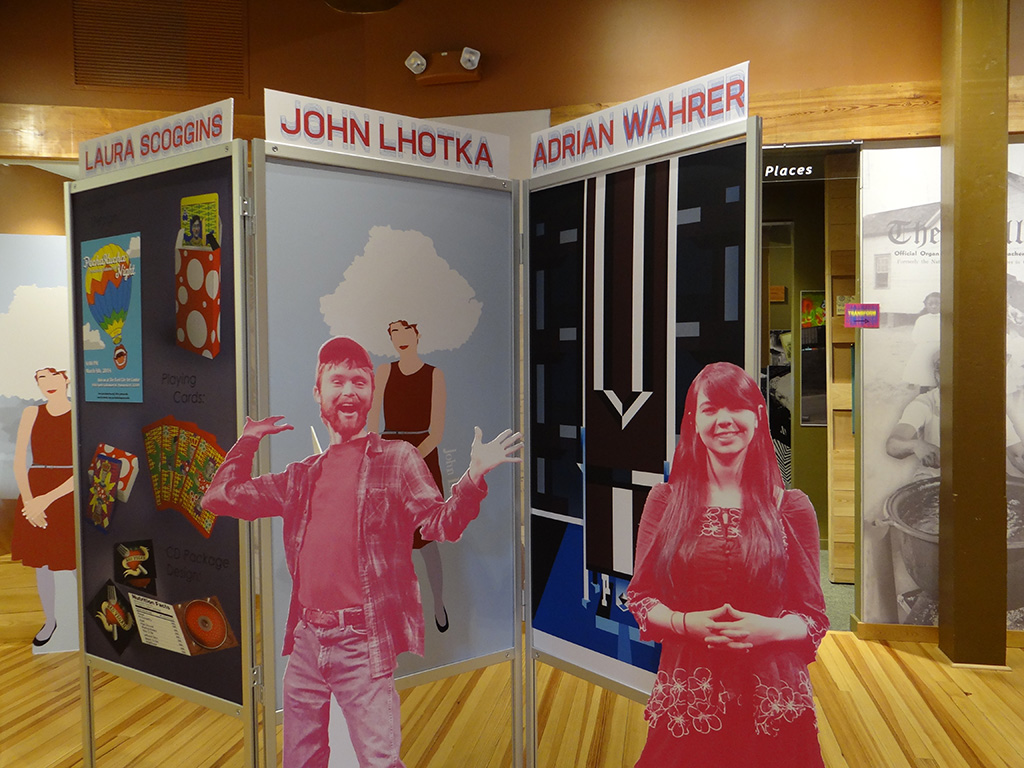
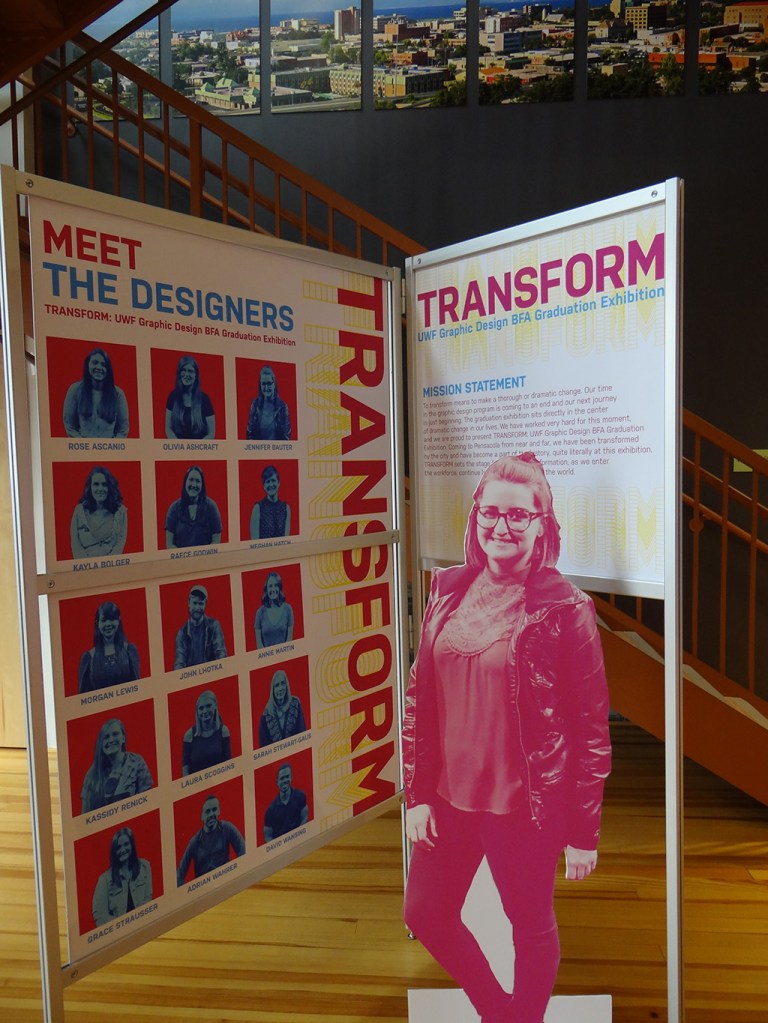
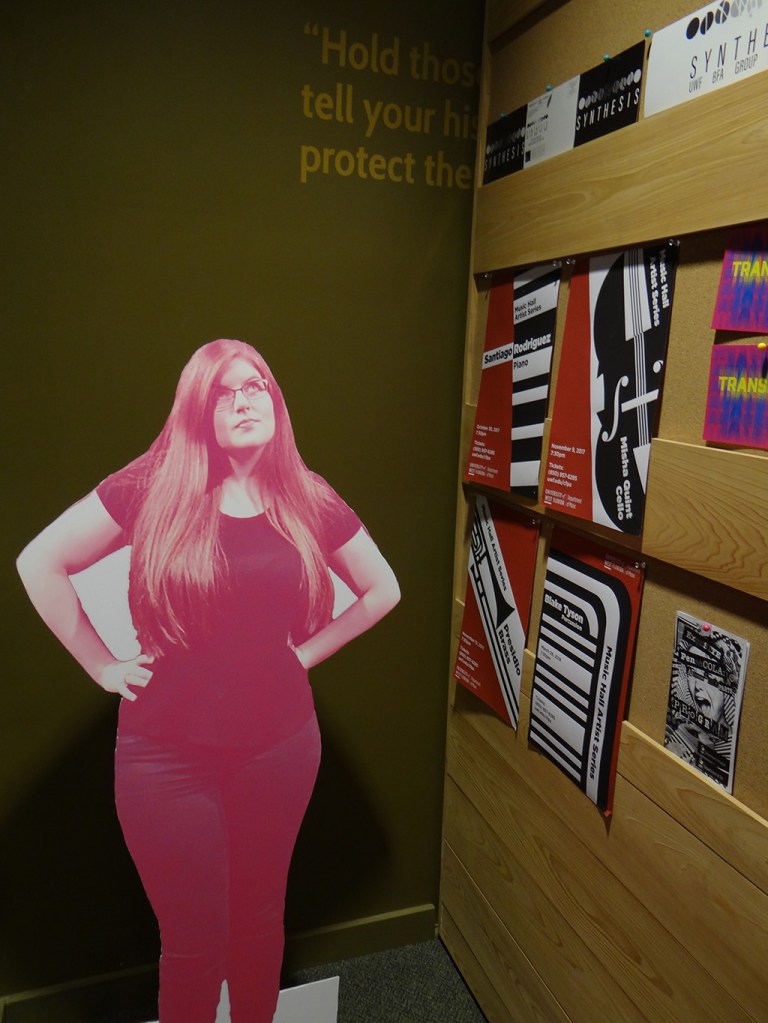
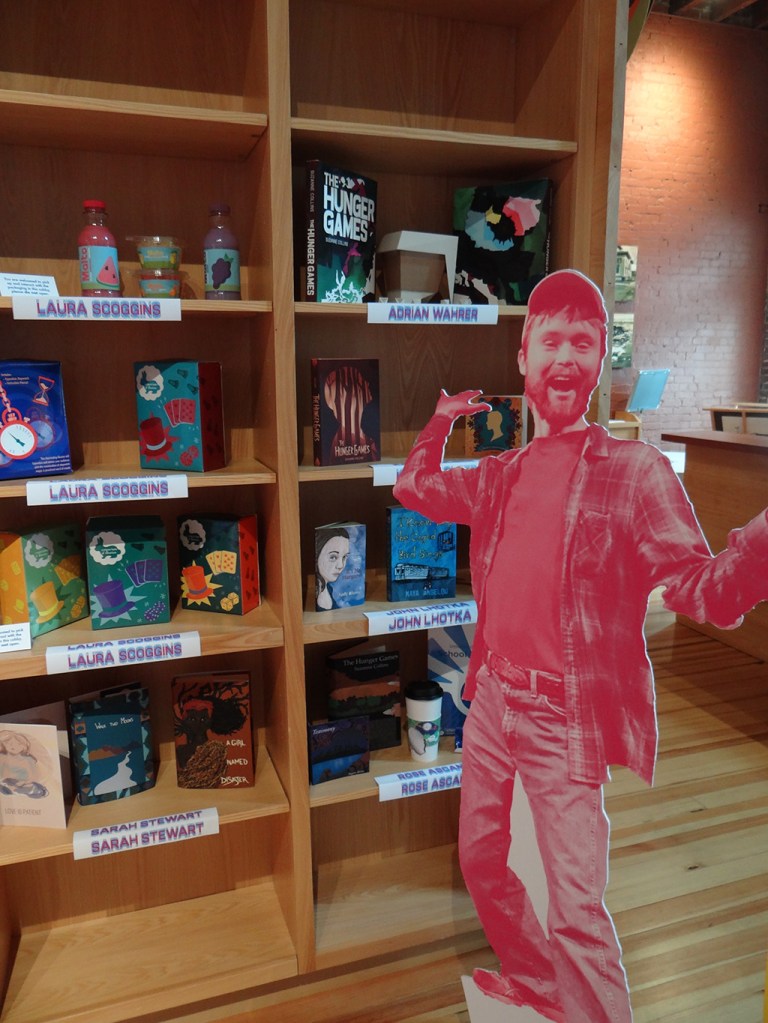
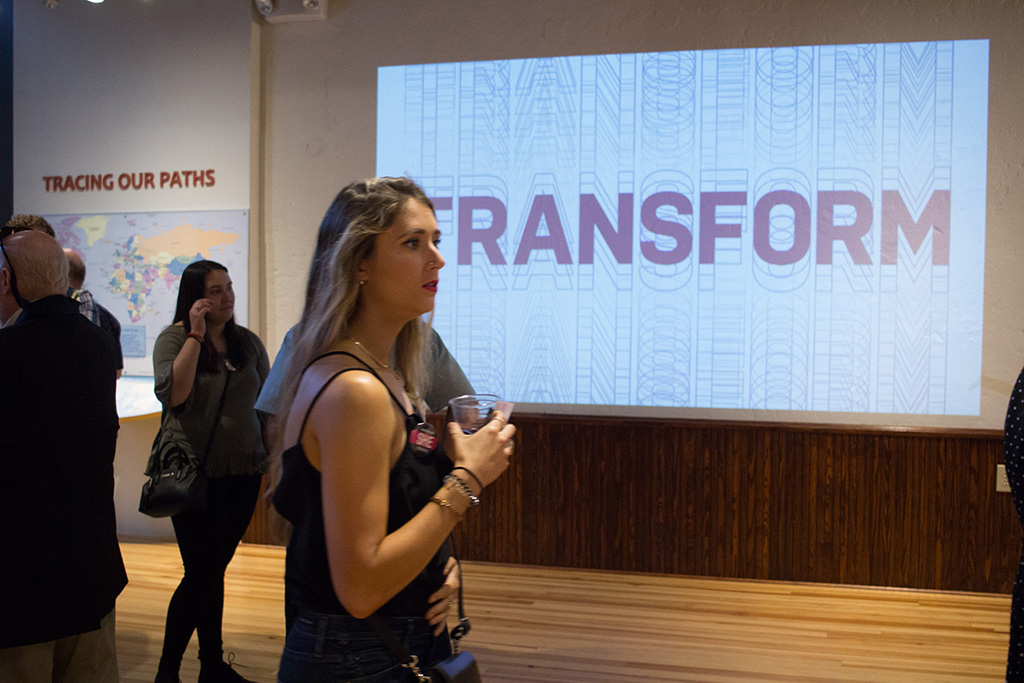
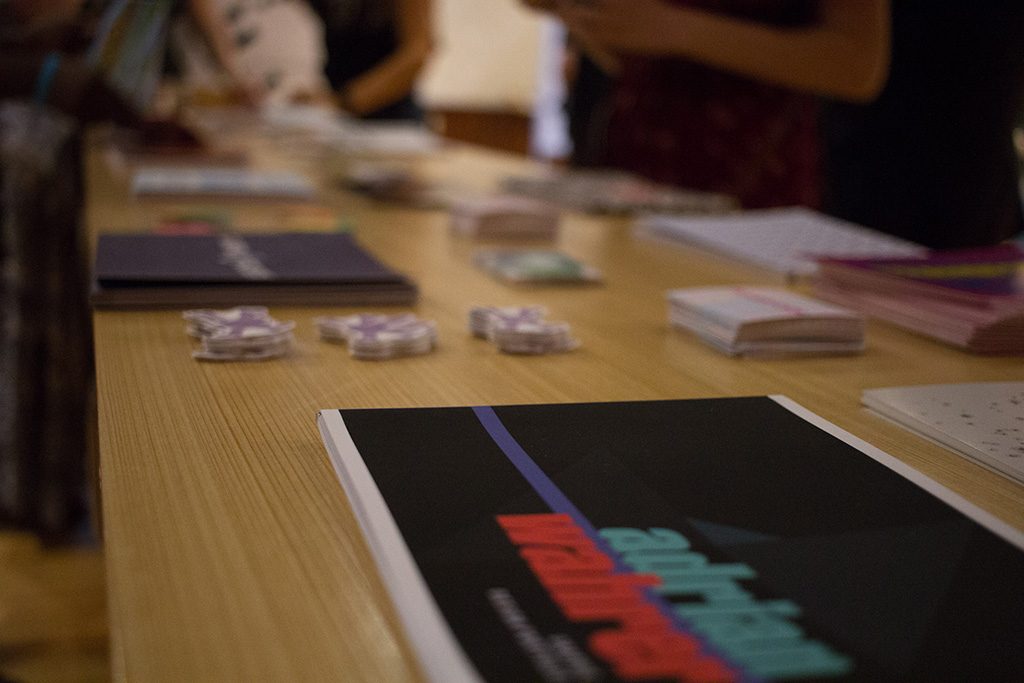
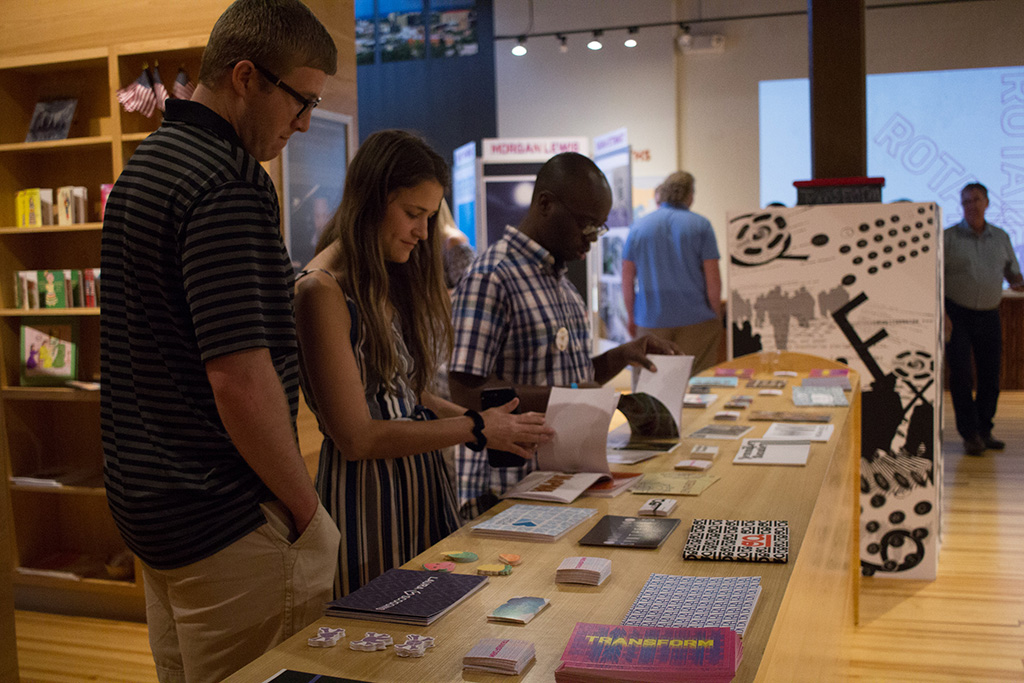
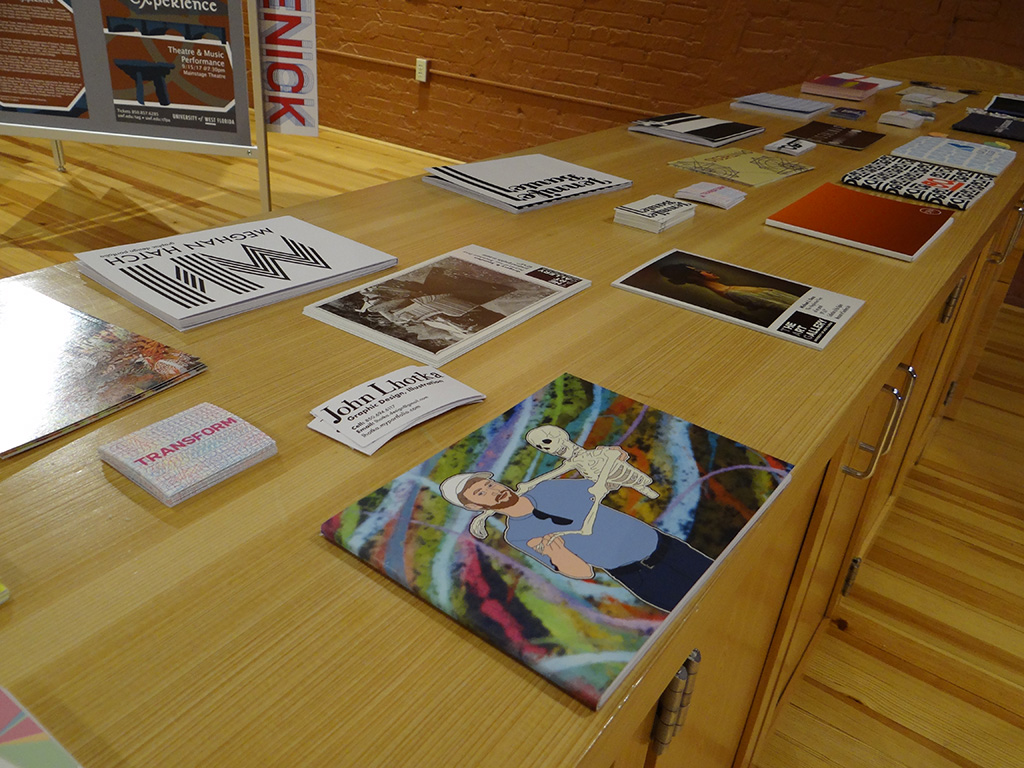
Beginning with the first graduating class of BFA Graphic Designers, my students participated in a year long capstone in order to collaborate to produce a public exhibition of their design work. The students worked together to fully design the exhibition of their work. They created an exhibition graphic identity and fully composed an exhibition environment in a downtown venue including designing and building the bases to support the display of the work. In addition to that they produced advertising campaigns in order to market the show in both print and on social media, they created printed marketing collateral and peripherals, and designed a printed catalog of their work. Exhibition statements can be viewed on the catalog page here…
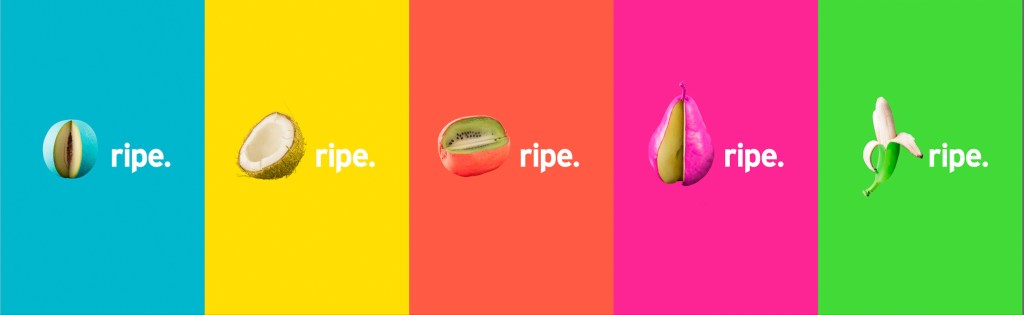
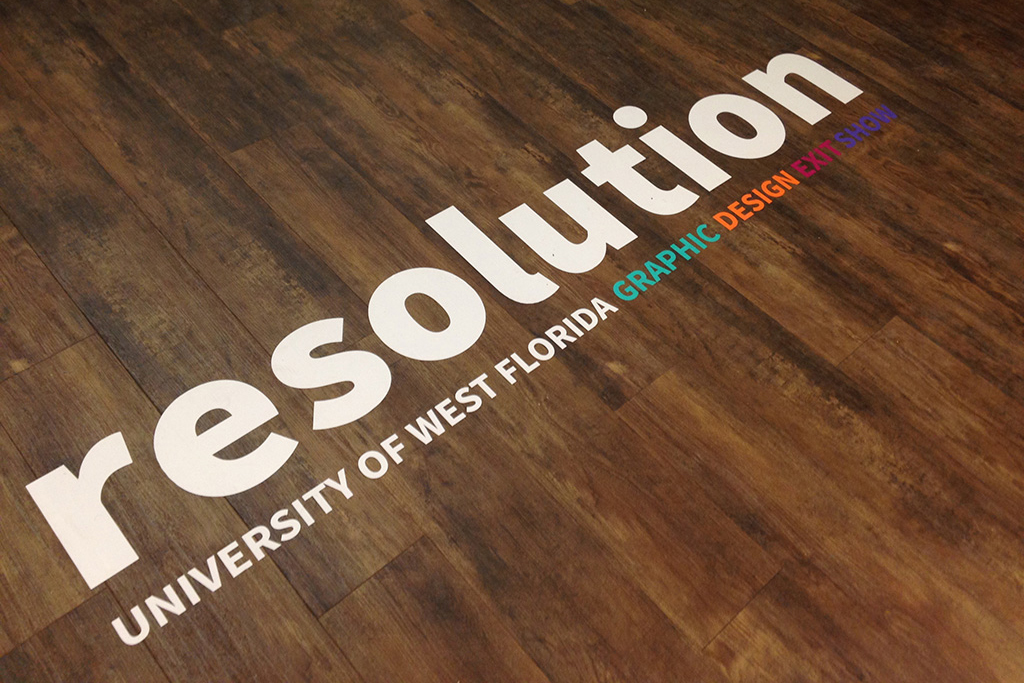
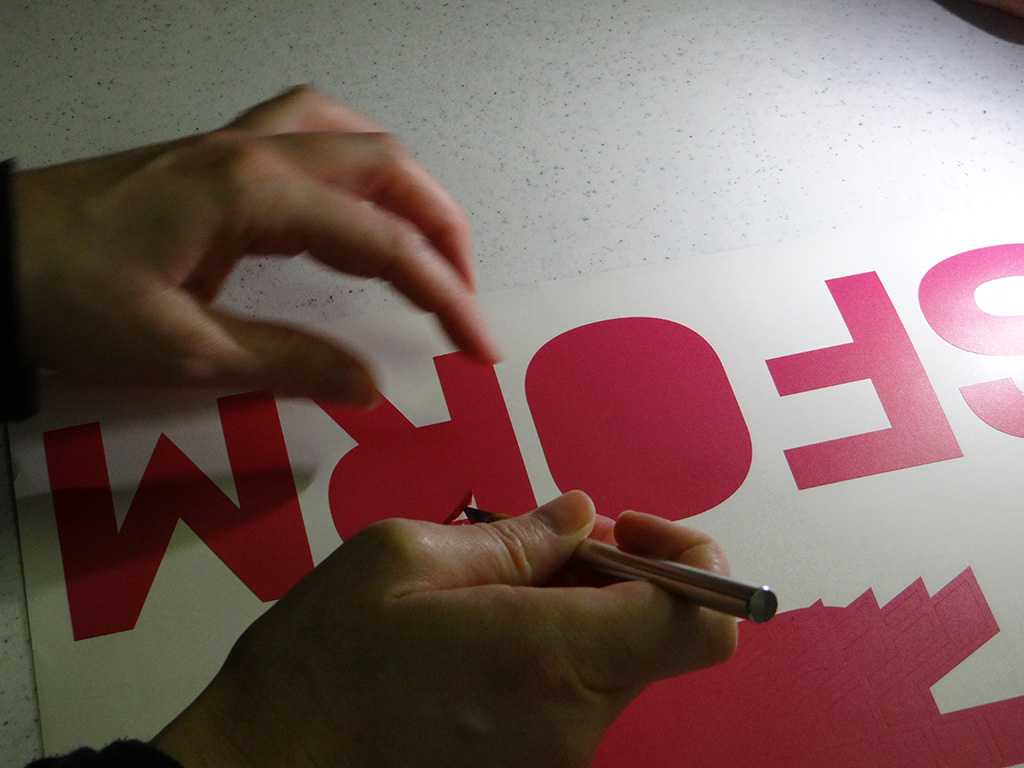
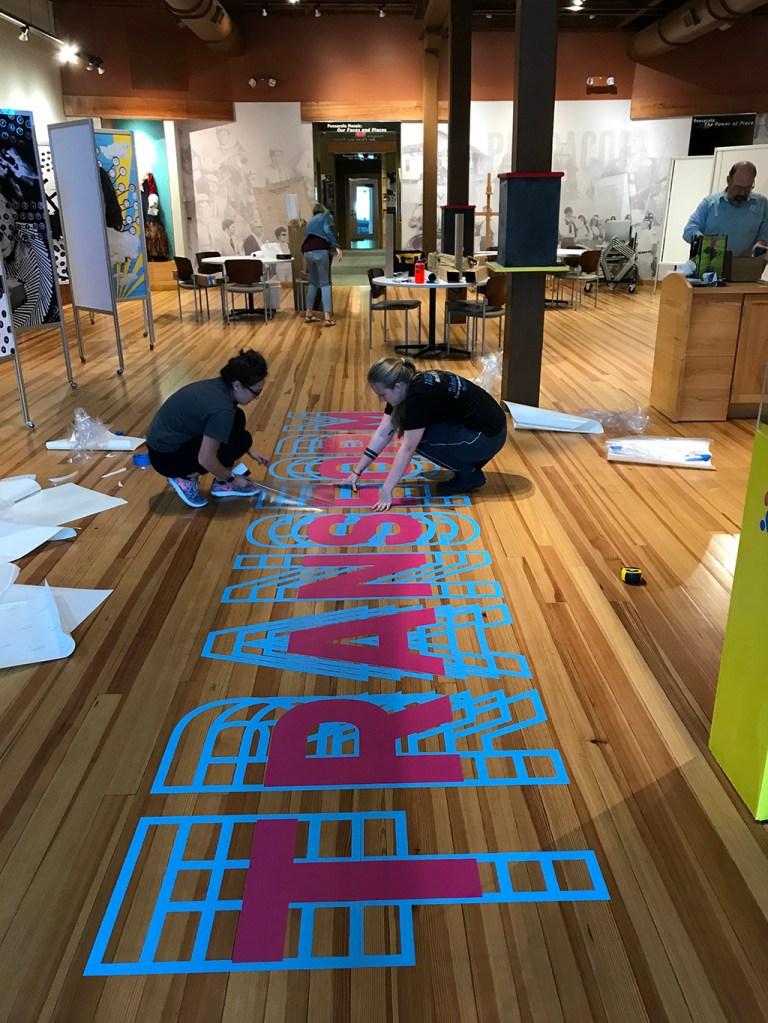
The students designed and built the exhibitions from the ground up. Seniors worked together as a class to create the visual identity for the exhibition. From there forward they chose which components of the exhibition to collaborate on: 1. a style guide for the visual identity and brand 2. Grant proposals including packets for the Office of Undergraduate Research grants and a general funding proposal and presentation that could be presented to various organizations including the Student Government Association 3. An advertising campaign that utilizes both print and social media 4. A website that functions like an online catalog 5. A print catalog 6. The environmental design of the exhibition that includes not only wayfinding and the creation of a unified environmental visual identity, but also the design of the individual genre-based sections or rooms in the multi-roomed exhibition. Examples below…
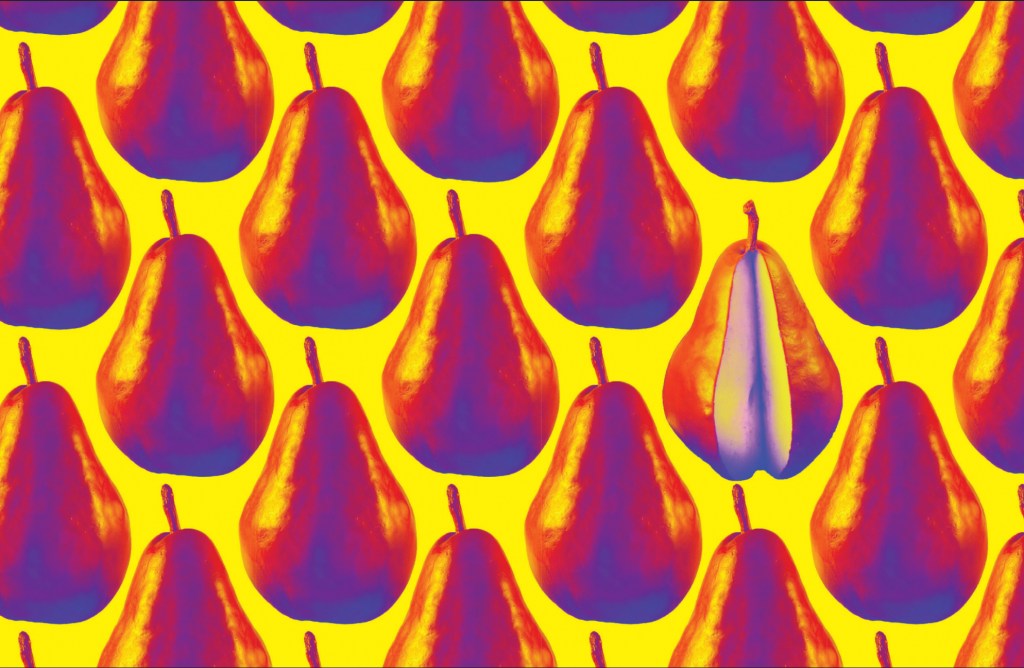
ripe.

resolution
.
ellipsis
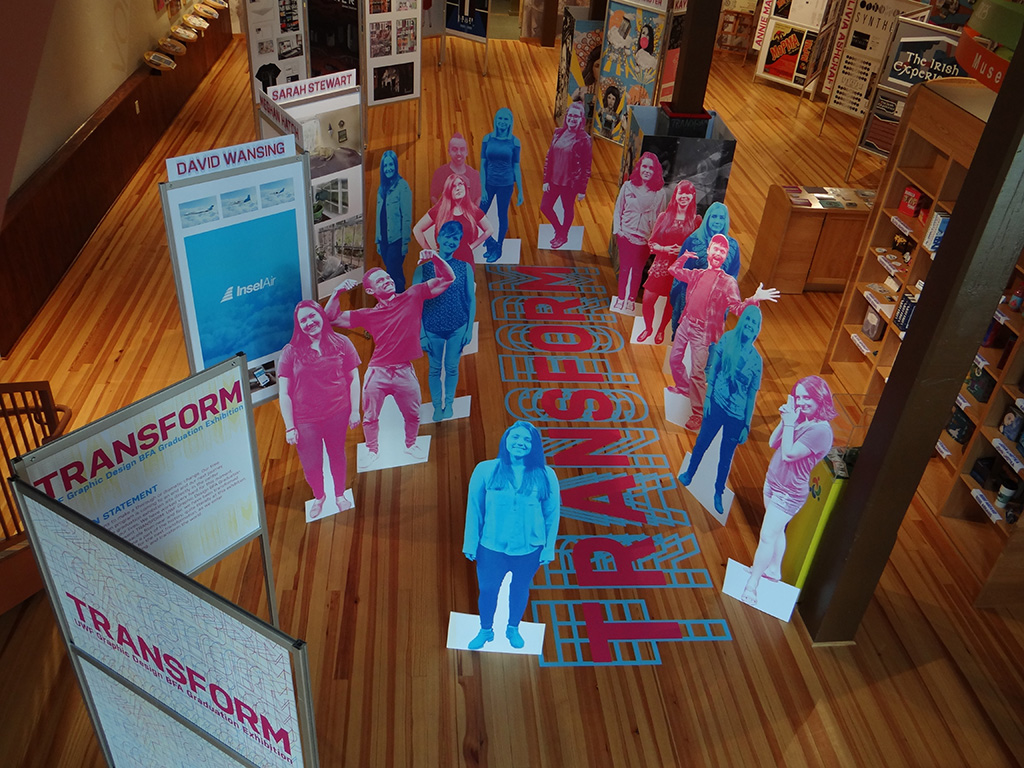
TRANSFORM
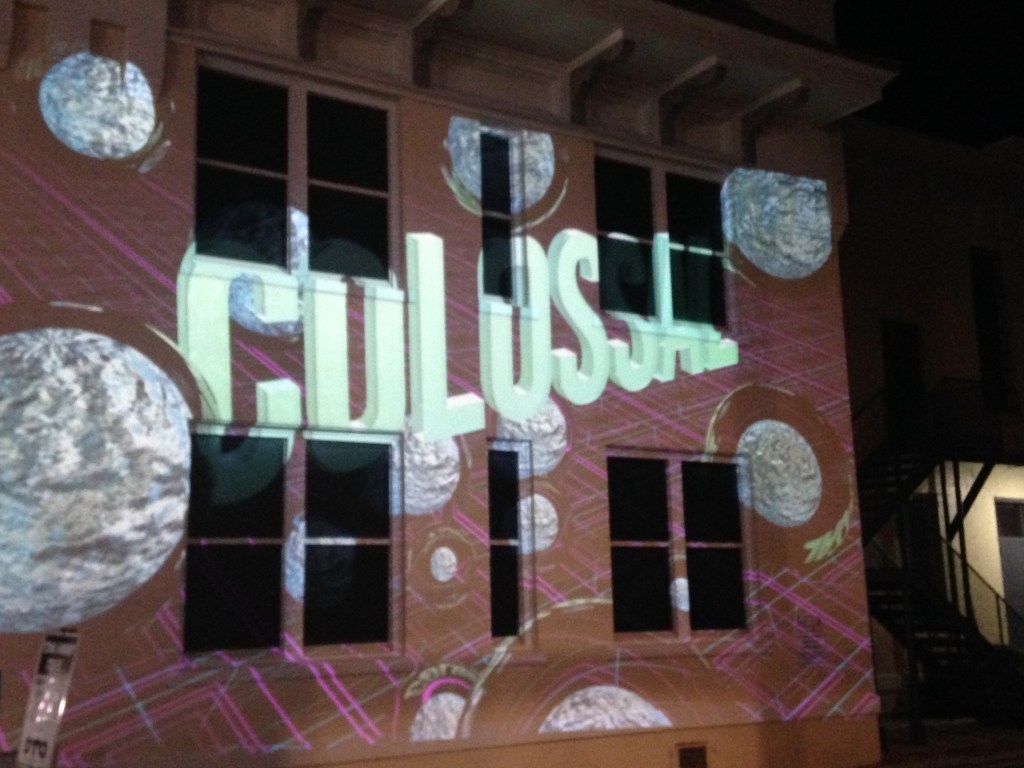
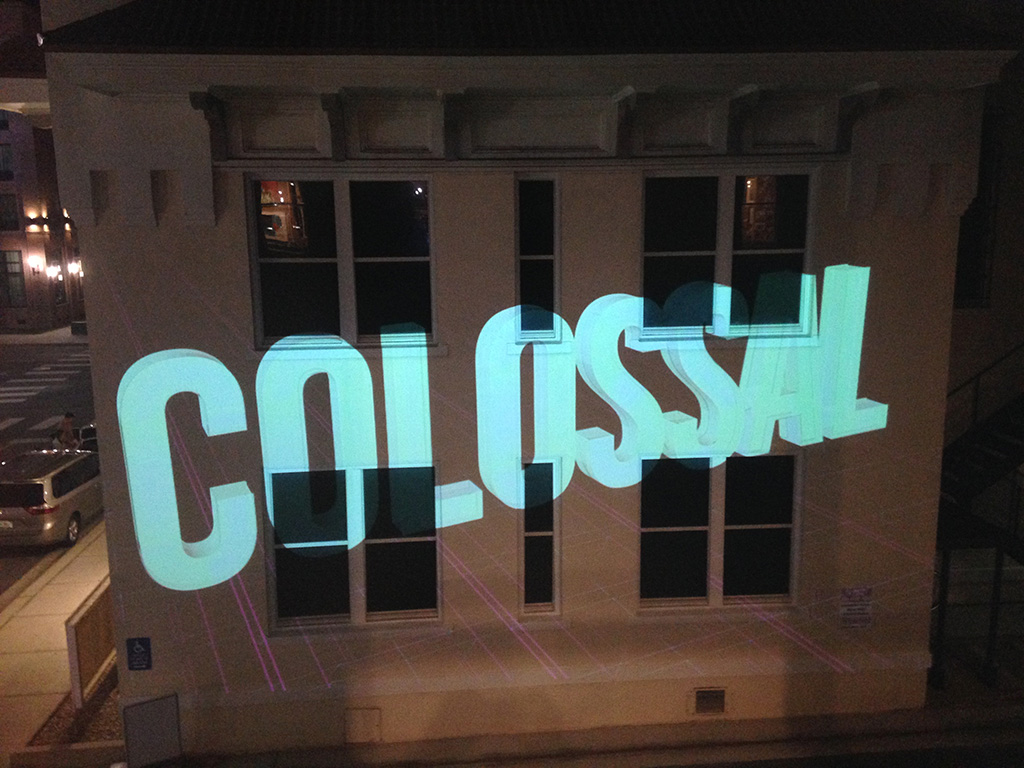
COLOSSAL
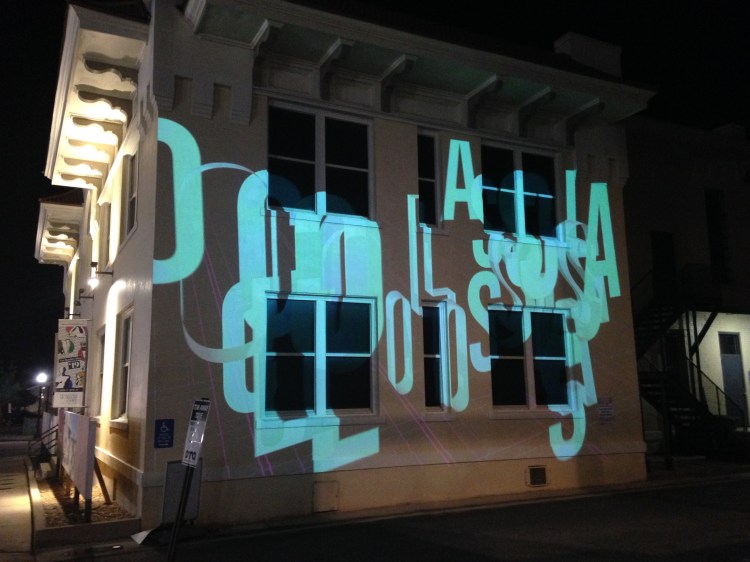
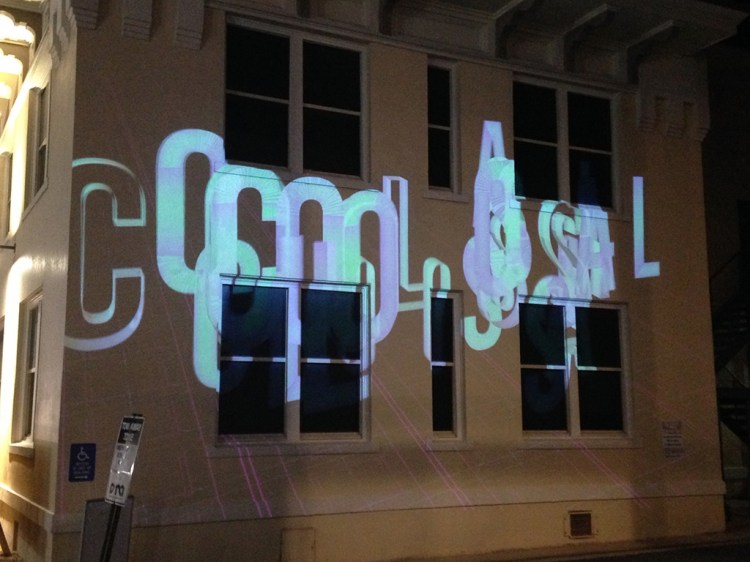
Undergraduate Research/Capstone projects for the exhibition…
- Jesse Steel: Motion Graphic: Jesse Steele
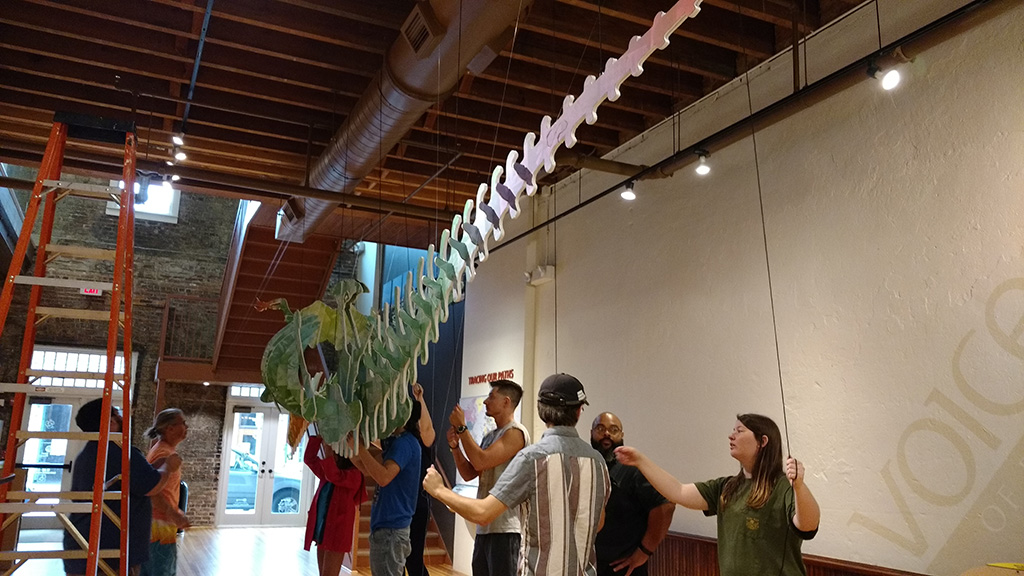
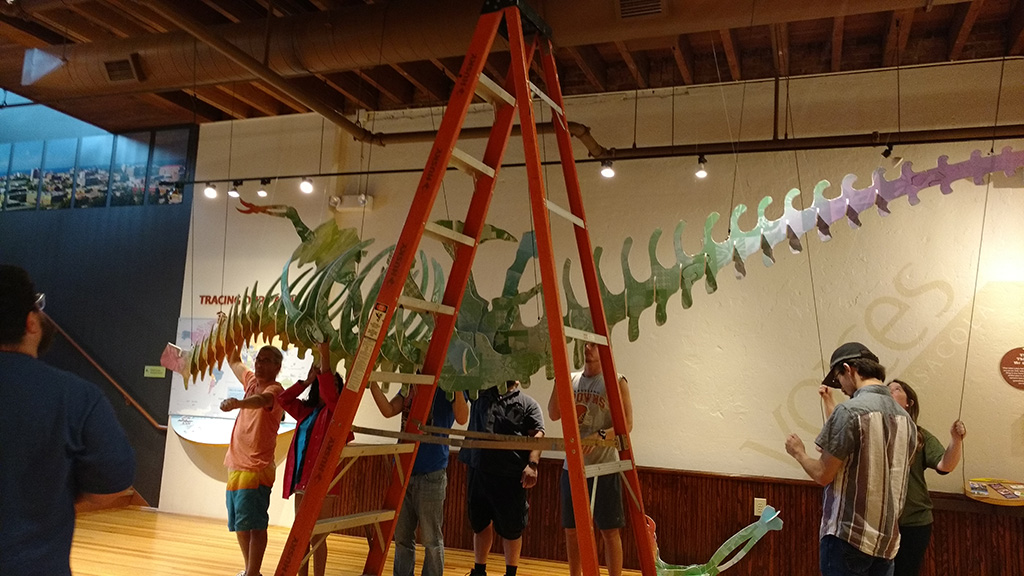
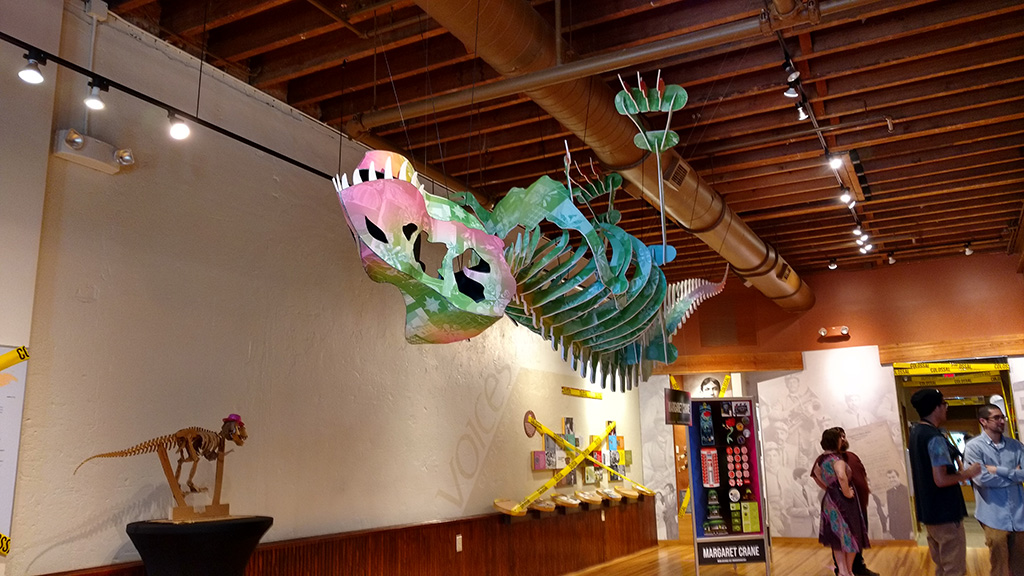
- Margo Crane: Dinosaur with Images of the Graduating Class Preparing the Exhibition
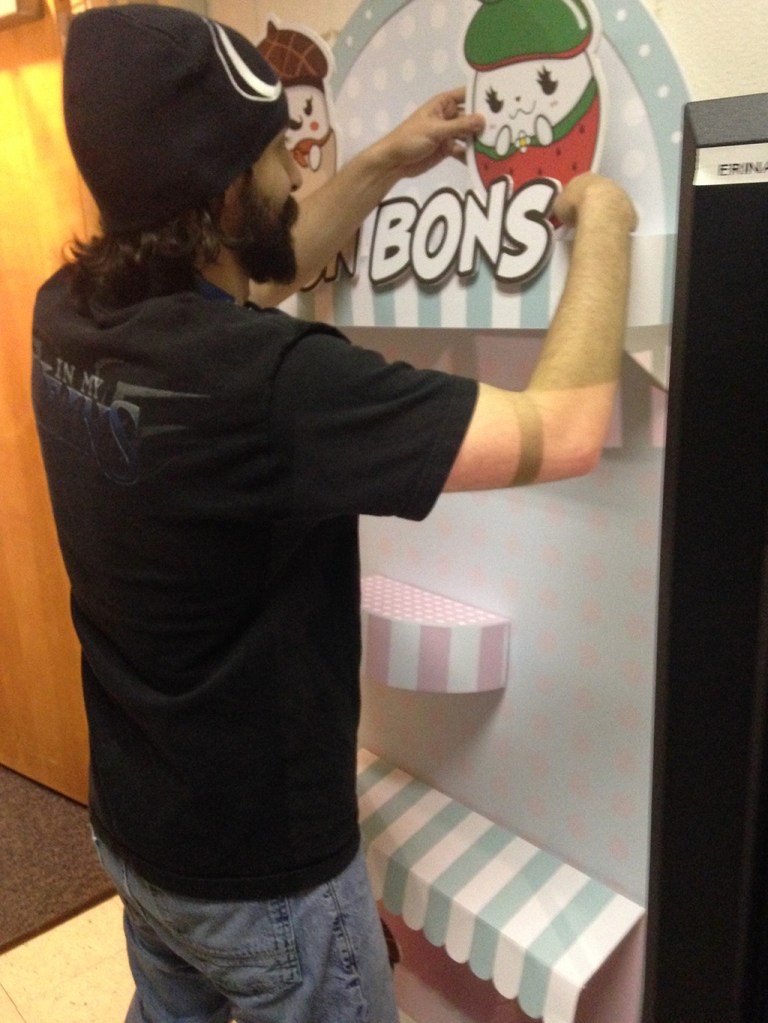
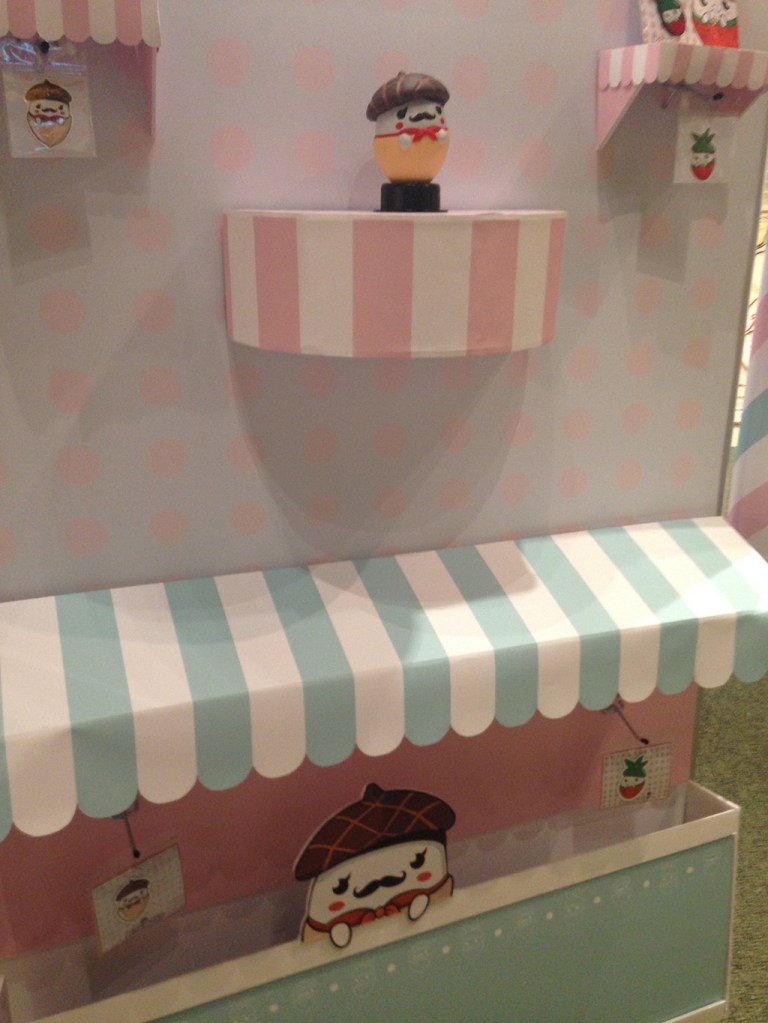
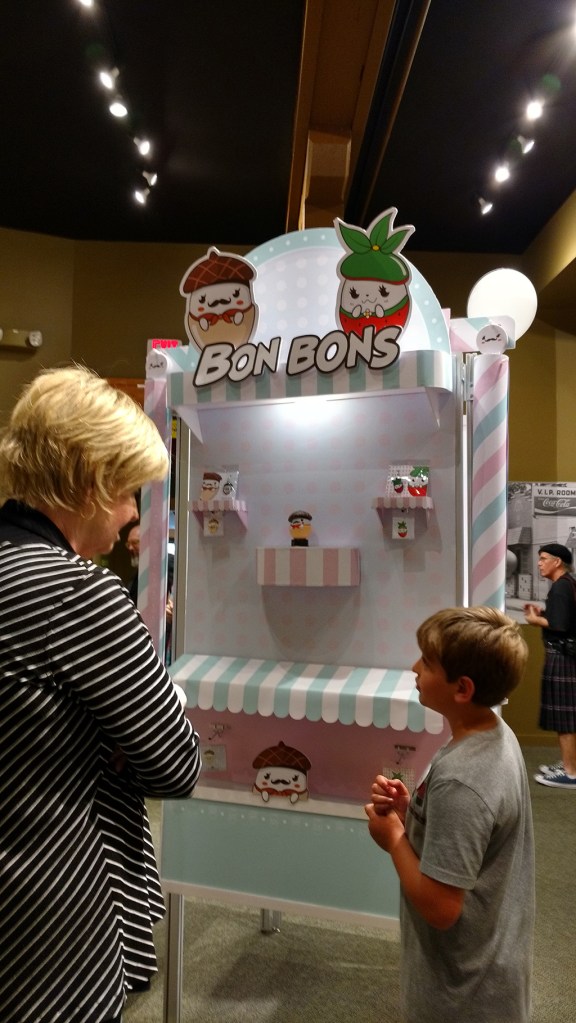
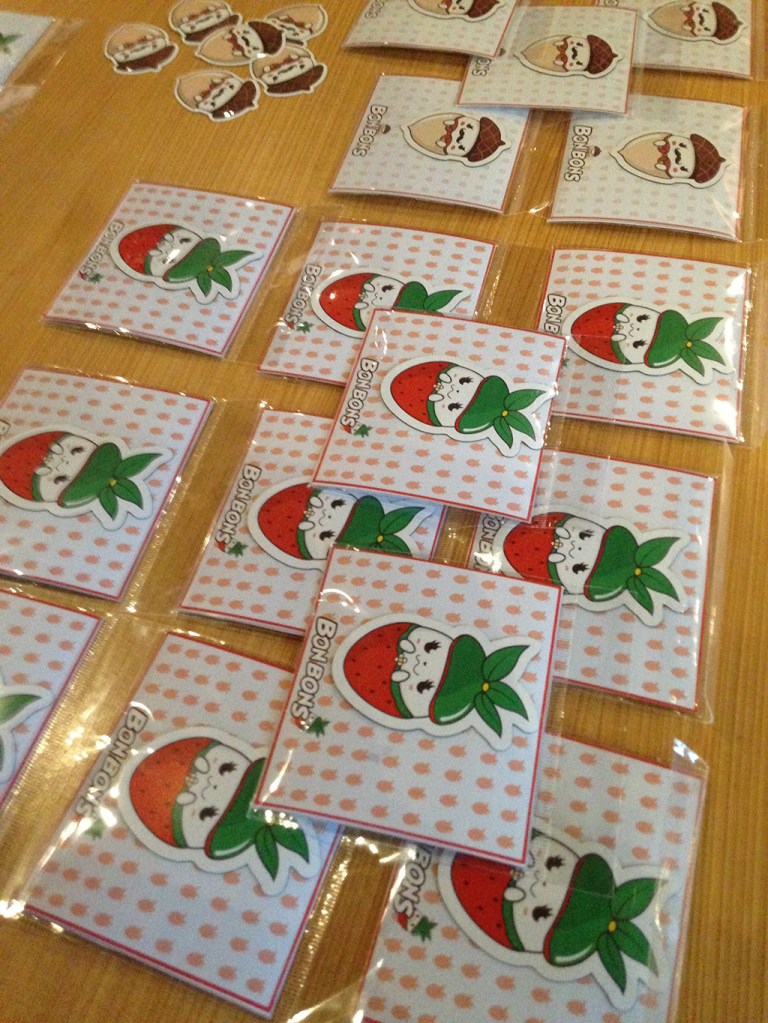
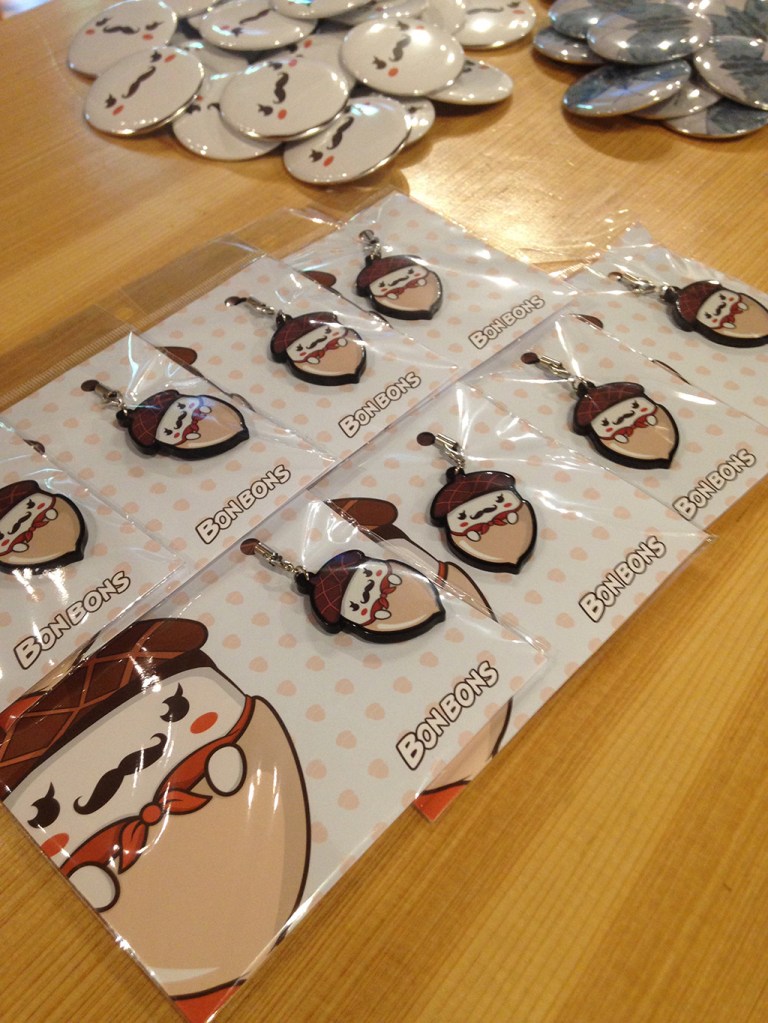
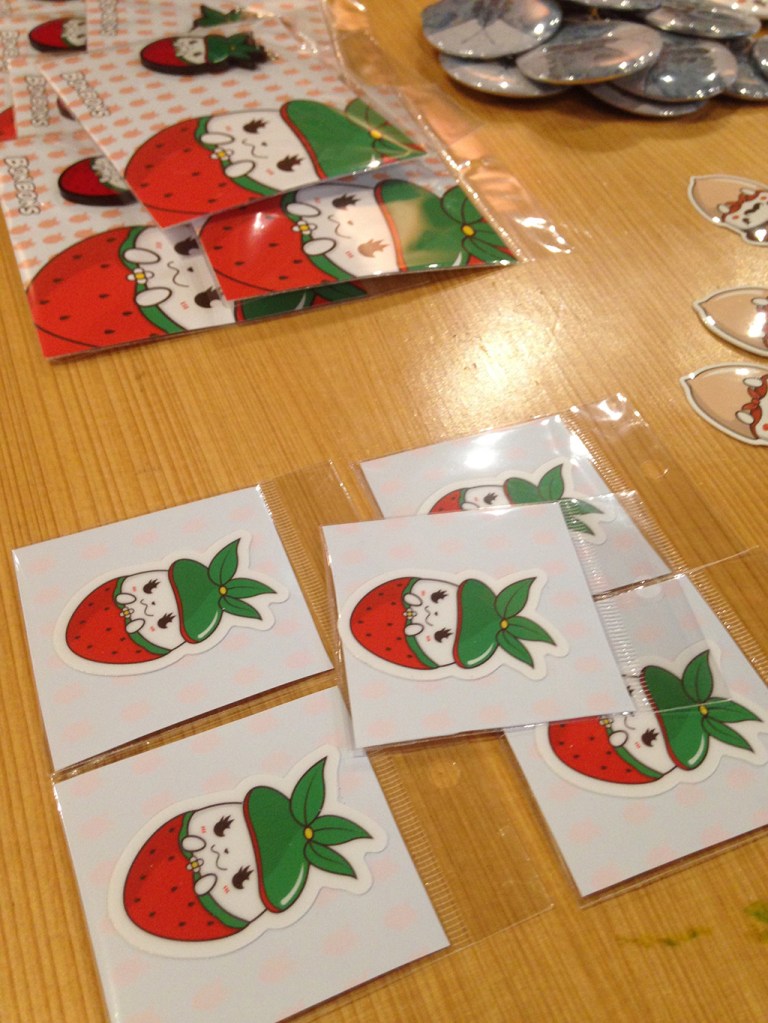
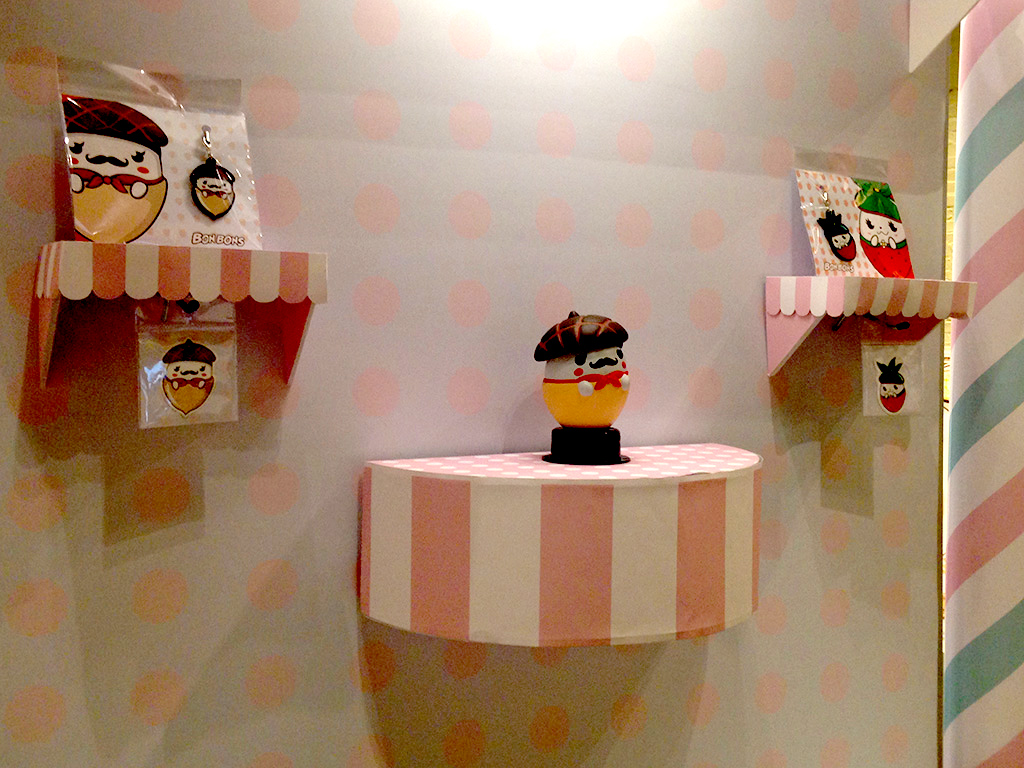
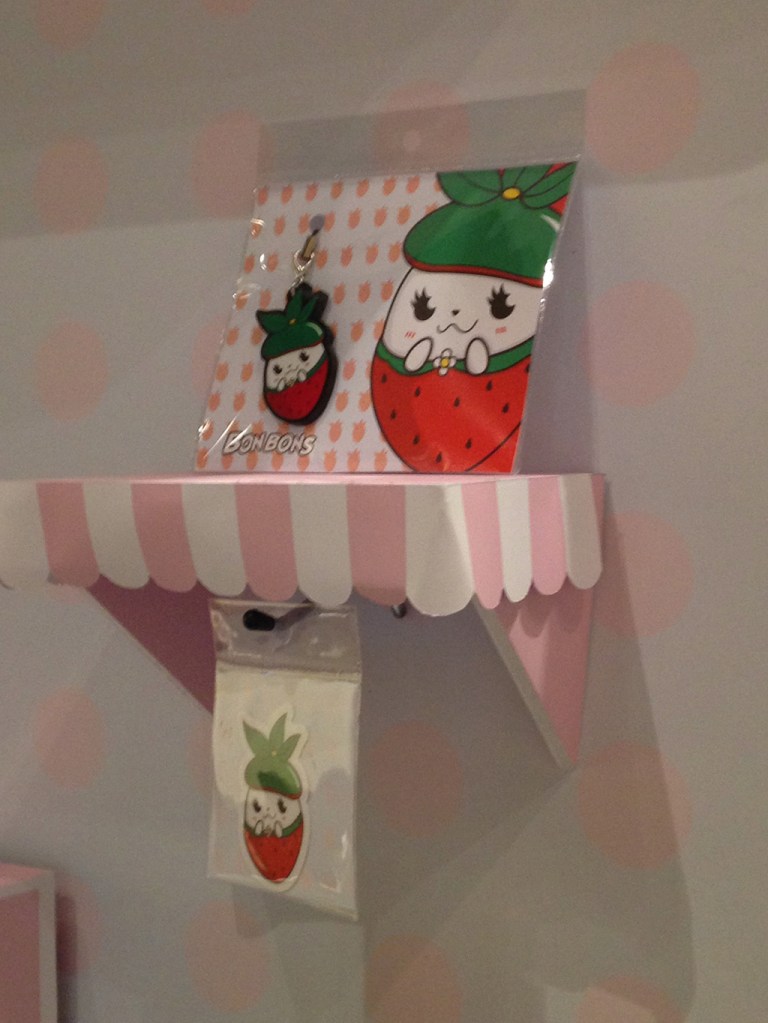
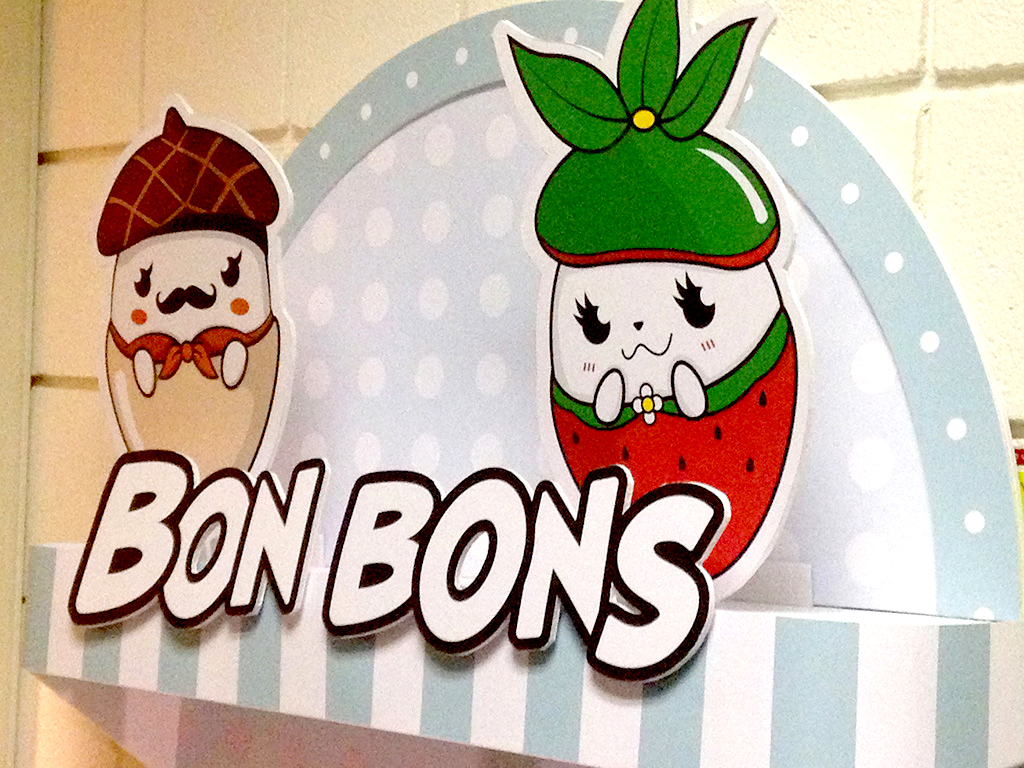
- Ilan Berkstein: Bon Bon Toy and POP Display Design
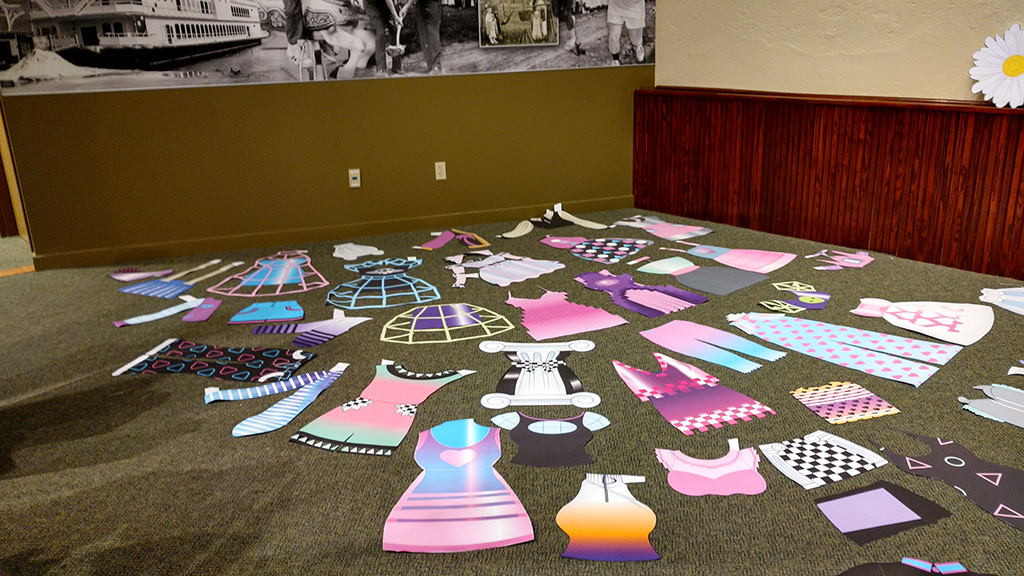
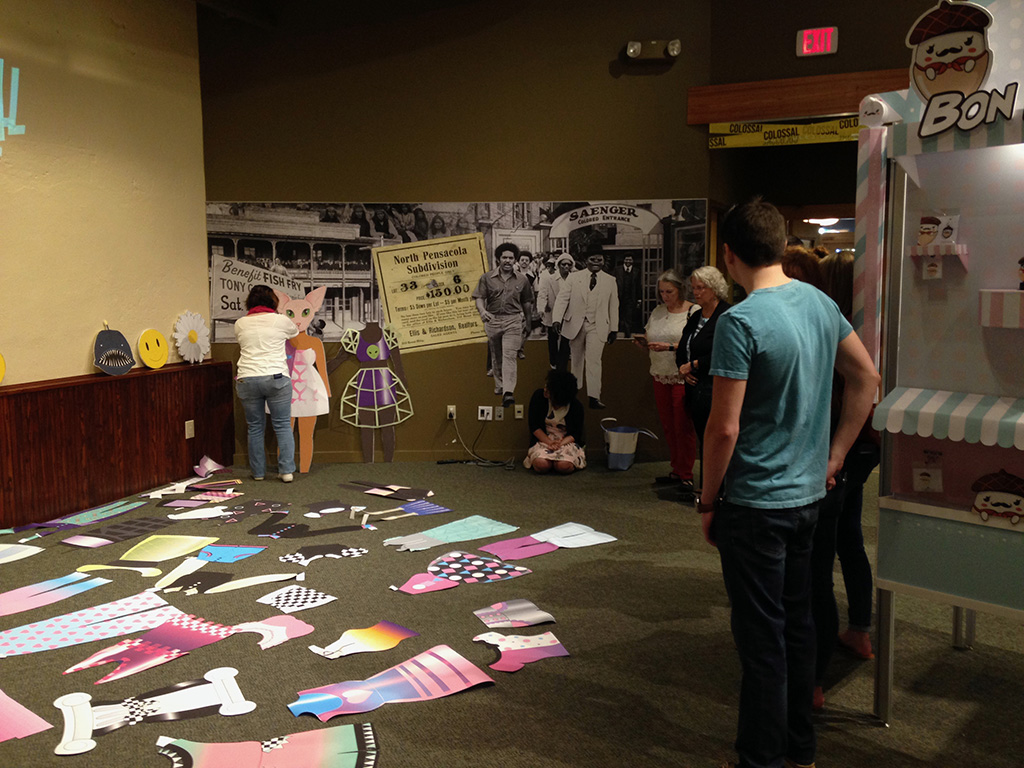
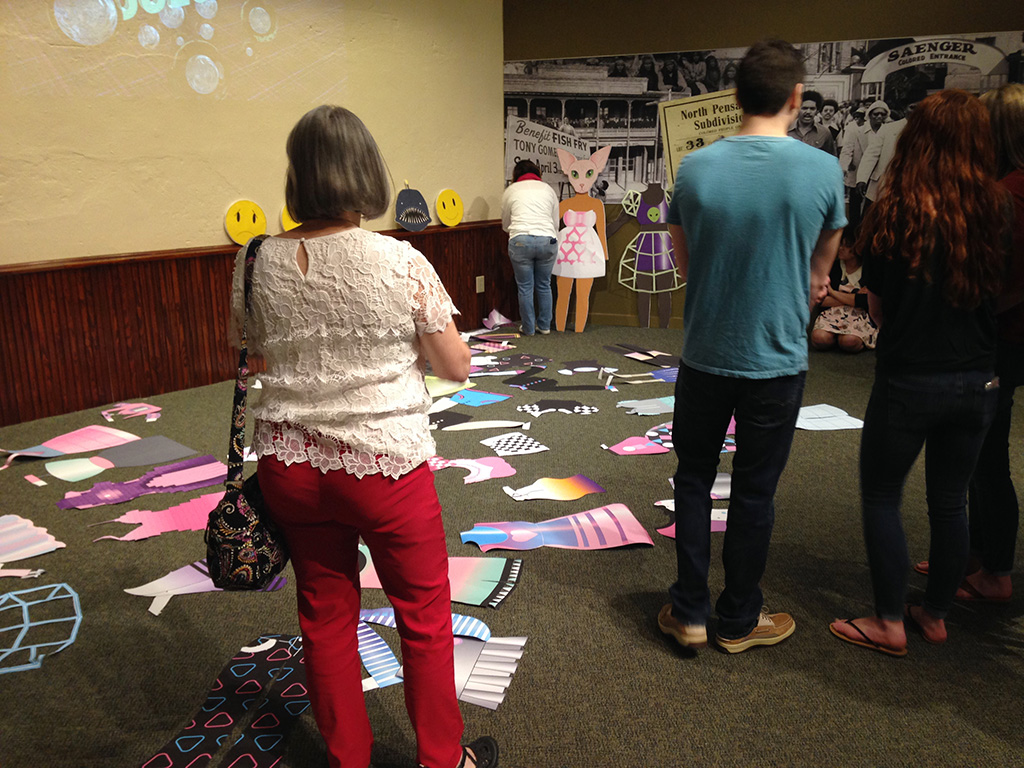
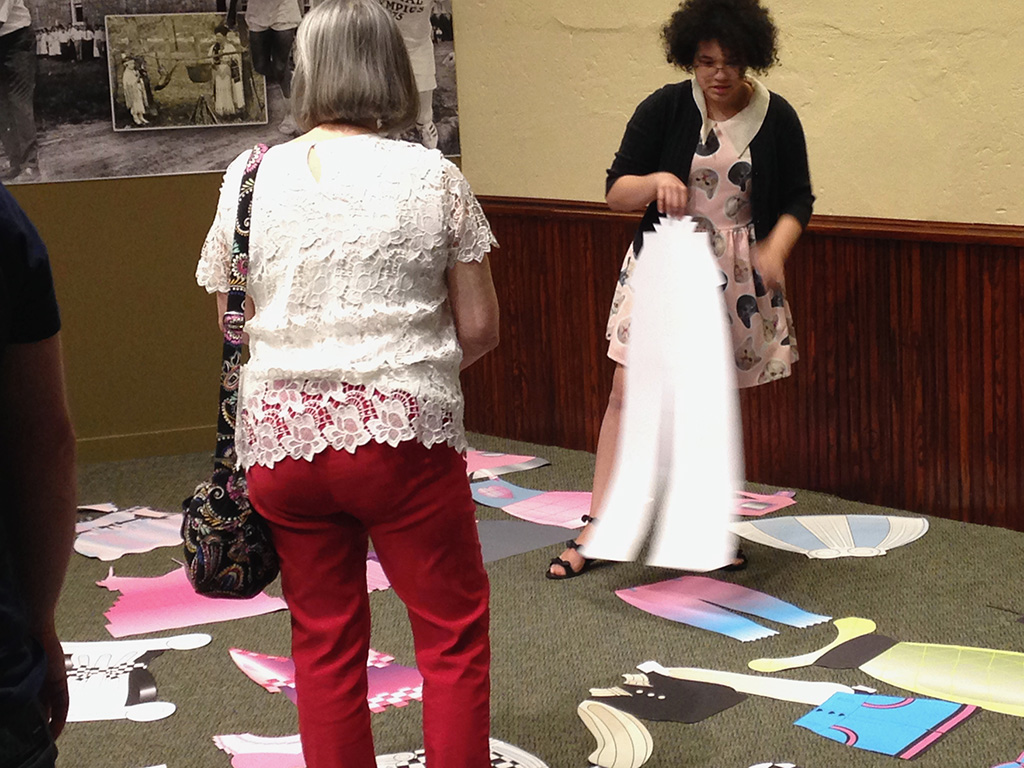
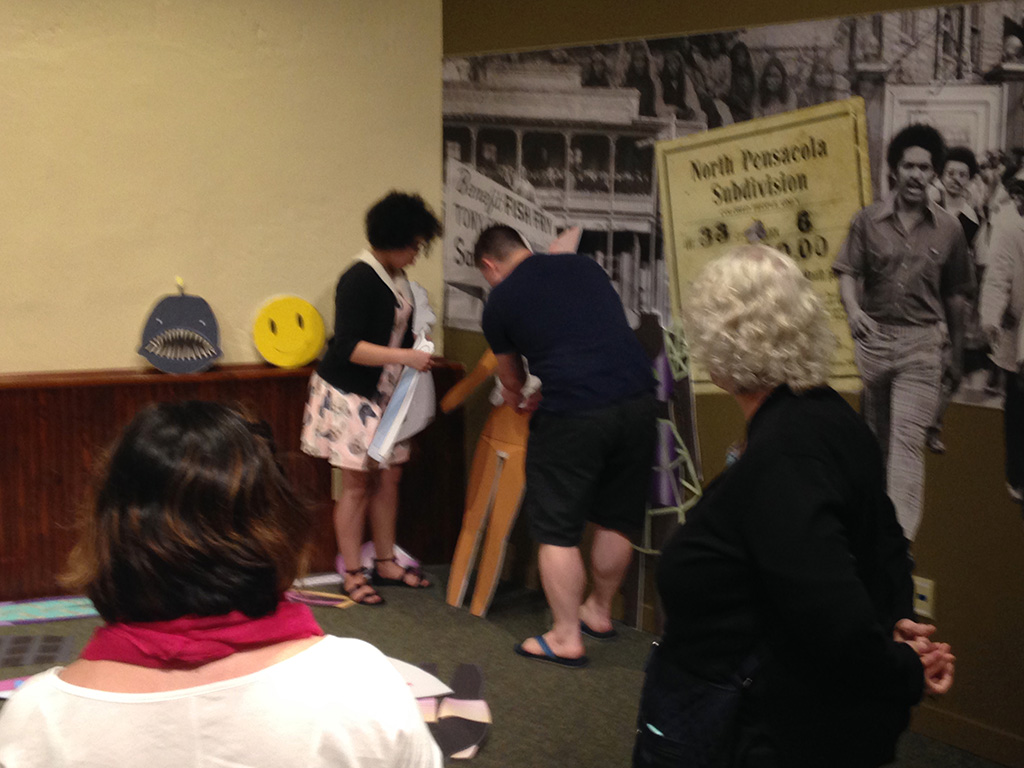
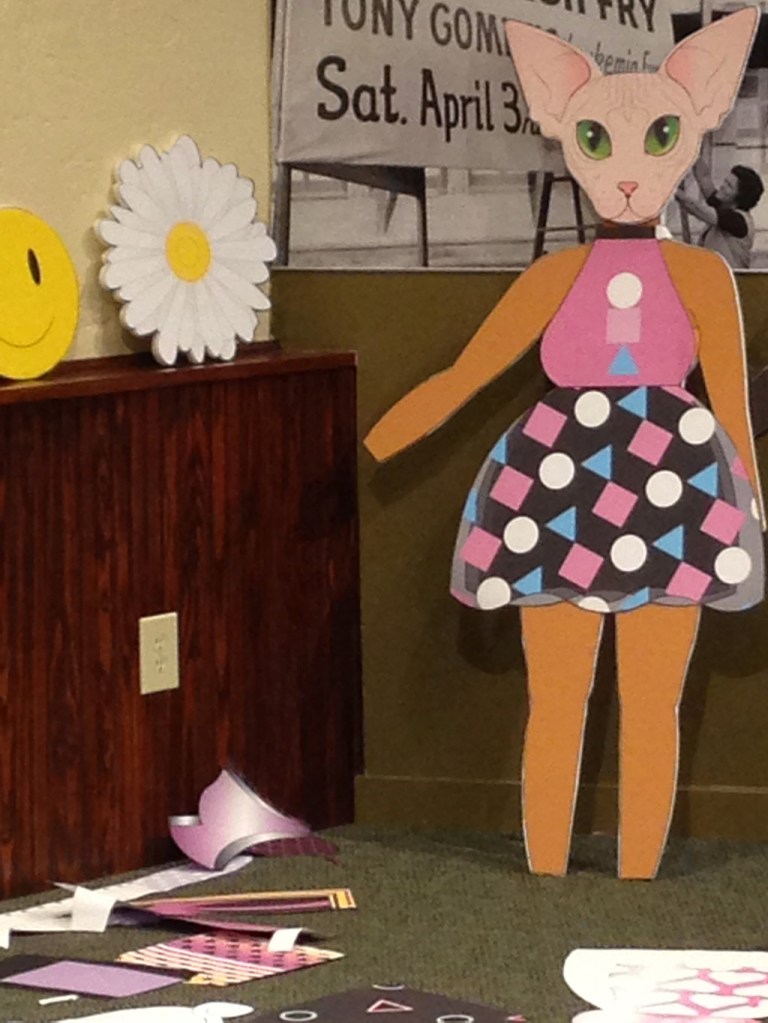
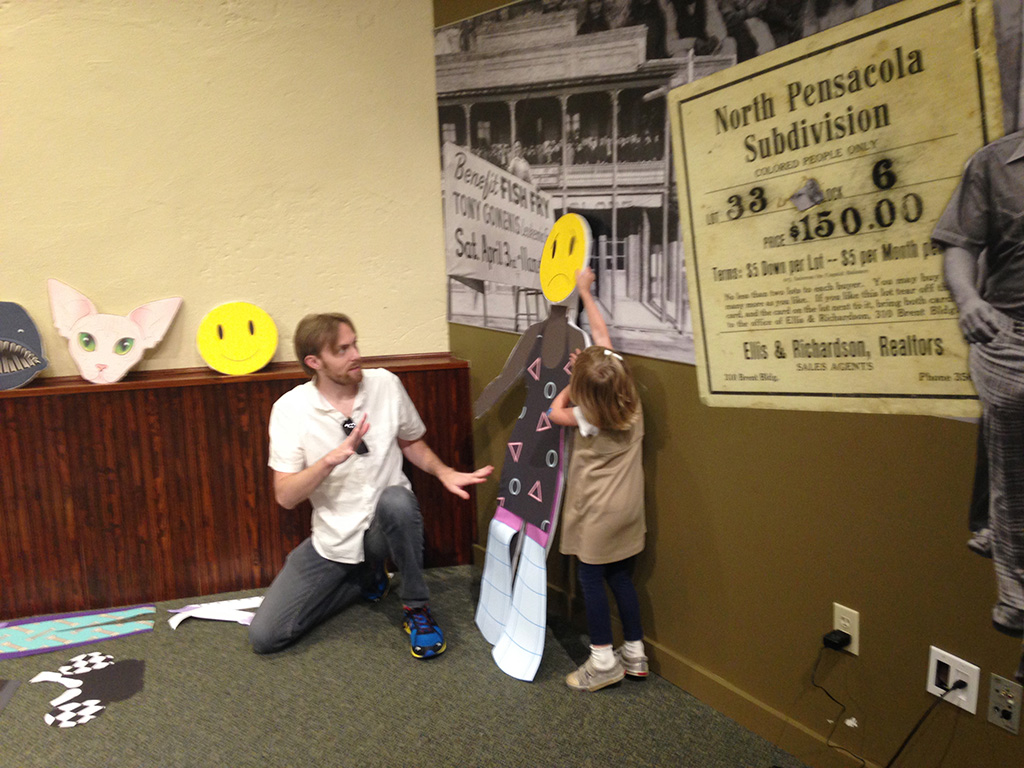
- Olivia Geer: Interactive Life Size Paper Dolls
 House Pencil Green